Harajuku fashion is one of Japan’s most recognizable style movements, known for creativity, confidence, and the freedom to dress without strict rules. Unlike traditional fashion trends that often follow seasonal collections or designer influences, Harajuku style grew from everyday people experimenting with clothing, colors, accessories, and personal identity. The fashion movement began in Tokyo’s Harajuku district and became famous for its unusual combinations, from cute pastel outfits and elegant dresses to punk-inspired looks and colorful streetwear. More than just clothing, Harajuku fashion represents the idea that style can be a personal statement and a reflection of imagination.
What Is Harajuku Fashion?
Harajuku fashion refers to the wide range of street styles created by young people in the Harajuku area of Tokyo. It is not one specific look but a collection of different fashion expressions that share one common idea: individuality comes first. A Harajuku outfit may include vintage clothing, handmade accessories, oversized layers, bright colors, traditional influences, or modern streetwear. The goal is not to match a popular trend but to create something that feels unique to the person wearing it. This approach made Harajuku different from many fashion scenes around the world. Instead of waiting for designers to decide what was fashionable, people on the streets became the creators of new styles.
The History Behind Harajuku Fashion
Harajuku became a popular meeting place for young creatives in Tokyo during the 1970s and 1980s. The area attracted musicians, artists, designers, and fashion lovers who wanted a space where they could experiment with new ideas. During the 1980s, street groups and youth communities helped build Harajuku’s reputation as a place for creative expression. Young people gathered around the area wearing outfits that reflected music, art, and personal interests. The 1990s became a major period for Harajuku fashion. Teenagers and young adults began mixing secondhand clothing, international influences, Japanese pop culture, and handmade designs. These combinations created styles that had never been seen before.
The Role of Street Photography in Harajuku Culture
One reason Harajuku fashion became known worldwide was the work of photographers who documented real street outfits. Instead of focusing only on runway fashion, they captured the creativity of ordinary people walking through Tokyo. Japanese photographer Shoichi Aoki helped introduce Harajuku style to global audiences through FRUiTS magazine, which featured photographs of young people and their original outfits. The magazine showed that fashion could come from communities, creativity, and personal choices rather than only from major fashion brands.
Popular Styles Within Harajuku Fashion
Lolita Fashion
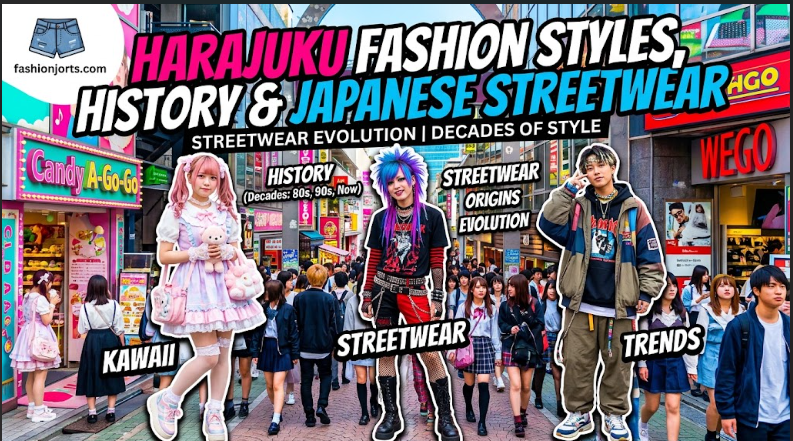
Lolita fashion is one of the most famous styles connected with Harajuku. It takes inspiration from Victorian and Rococo clothing while adding Japanese creativity.
The style often includes:
- Detailed dresses
- Lace decorations
- Bows and ribbons
- Structured skirts
- Elegant accessories
Sweet Lolita focuses on soft colors and cute designs, while Gothic Lolita uses darker colors and a more dramatic appearance. Classic Lolita has a more traditional and elegant feel.
Decora Fashion
Decora fashion focuses on decoration and colorful details. The style became known for using many accessories at once, including hair clips, bracelets, necklaces, and playful items. The idea behind Decora is that accessories are not small details but an important part of the entire outfit. More color, creativity, and personality are often considered better.
Kawaii Fashion
Kawaii means “cute” in Japanese, and kawaii fashion celebrates playful and charming designs. It often includes pastel colors, character designs, oversized clothing, and youthful accessories. This style connects strongly with Japanese pop culture, including anime, manga, and cute character brands.
Visual Kei Fashion
Visual Kei developed from Japanese rock music and brought a dramatic style to street fashion. It often includes bold hairstyles, heavy makeup, dark clothing, and theatrical elements. The style shows how music and fashion influenced each other within Japanese youth culture.
Gyaru Fashion
Gyaru became popular in Japan during the 1990s and represented a glamorous approach to beauty and fashion. It often included styled hair, fashionable outfits, makeup, and eye-catching accessories. The style encouraged confidence and challenged traditional expectations of appearance.
What Makes Harajuku Fashion Different?
Personal Expression Over Fashion Rules
The biggest feature of Harajuku fashion is freedom. There is no single formula that defines the style. Two people wearing Harajuku-inspired outfits may look completely different because the focus is on personality.
Creative Layering
Layering is an important part of many Harajuku outfits. People often combine different clothing pieces to create interesting shapes and textures. A simple outfit can become more expressive by adding jackets, skirts, colorful socks, accessories, or unusual combinations.
Mixing Old and New Fashion
Harajuku style often combines different time periods and influences. Vintage clothing may appear alongside modern streetwear, while traditional ideas may be mixed with futuristic designs. This creates outfits that feel personal rather than copied from a single trend.
Accessories as Part of the Outfit
Accessories play a major role in Harajuku fashion. Bags, jewelry, hats, hair clips, and unique footwear can completely change the appearance of an outfit. Many people use accessories to show interests, hobbies, or parts of their personality.
How Harajuku Fashion Influenced Global Style
Harajuku fashion changed the way people viewed streetwear and personal style. It showed that fashion could come from communities and individuals instead of only luxury designers. Many modern trends share ideas connected with Harajuku, including colorful streetwear, creative layering, vintage mixing, and alternative fashion. Online platforms have also helped these styles reach people around the world. Fashion communities today continue using Harajuku-inspired ideas to create outfits that feel personal and expressive.
Is Harajuku Fashion Still Popular Today?
Harajuku fashion has changed over time, but its influence remains visible. The street culture that became famous in the 1990s and early 2000s is different today because social media has changed how people share fashion. Many styles that once appeared mainly on Tokyo streets now exist through online communities, independent designers, and global fashion groups. The location may have changed, but the main idea remains the same: people should feel free to express themselves through clothing.
How to Try Harajuku Fashion Yourself
You do not need an entirely new wardrobe to create a Harajuku-inspired look. Start by experimenting with pieces you already own and add items that represent your personality. Try combining different styles, adding unique accessories, mixing colors, and using layers. The most important part is choosing clothing that feels authentic rather than copying someone else’s outfit. Harajuku fashion works because it allows people to create their own version of style.
Conclusion
Harajuku fashion remains one of the strongest examples of personal creativity in clothing. It began as a street movement in Tokyo but grew into an international symbol of individuality. Its lasting appeal comes from the freedom it provides. Instead of telling people what they should wear, Harajuku fashion encourages them to explore their own ideas and create something meaningful. Fashion continues to change, but the message behind Harajuku style remains simple: the best outfit is one that feels like you.