Fashion in the 1990s was not just about clothing. It was about identity, confidence, and expression. For Black communities, the decade created some of the most recognizable style movements in modern history. From hip-hop streetwear and oversized silhouettes to R&B glamour and cultural hairstyles, 90s Black fashion became a reflection of music, creativity, and personal freedom. The decade produced looks that still influence designers, celebrities, and everyday fashion lovers today. Many trends that feel modern, such as relaxed denim, statement sneakers, leather jackets, and vintage streetwear, have strong roots in the styles created during the 1990s.
The Cultural Meaning Behind 90s Black Fashion
The 1990s were a period of major growth for Black culture in entertainment. Hip-hop became a global force, R&B dominated radio, and Black artists gained more visibility through television and music videos. Fashion became one of the strongest ways people showed personality and connection to their communities. Clothing choices often represented more than appearance. A pair of sneakers, a sports jersey, or a designer jacket could communicate success, creativity, and belonging. Young people used fashion to create their own identities rather than simply follow traditional trends. The style of the decade was built around confidence. People mixed affordable streetwear with luxury pieces, creating outfits that felt authentic and personal.
How Hip-Hop Shaped the Fashion of the 90s
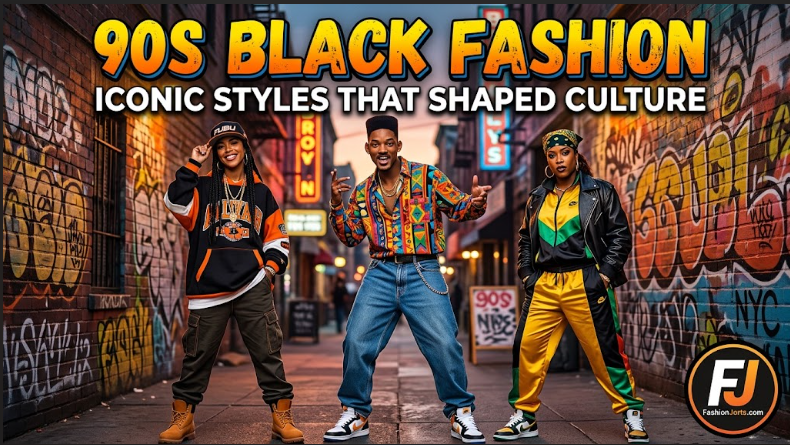
Hip-hop had one of the biggest influences on fashion during the decade. Artists were not only known for their music; they became style leaders whose outfits were copied around the world. Loose-fitting clothing became a defining feature. Oversized jeans, large T-shirts, hoodies, varsity jackets, and basketball jerseys reflected a relaxed approach to dressing. The focus was comfort, movement, and attitude. Artists such as Tupac Shakur brought together street style, military-inspired pieces, bandanas, and denim. The Notorious B.I.G. represented another side of the movement by combining streetwear with luxury brands, creating a look that connected success with fashion. Hip-hop changed the idea of who could influence style. Fashion trends were no longer controlled only by designers and magazines. Musicians and communities became trend creators themselves.
The Signature Streetwear Pieces of the Decade
Several clothing items became closely associated with 90s Black fashion. Baggy jeans were one of the most recognizable trends. Unlike the tighter styles popular in other eras, loose denim represented comfort and individuality. Many people paired oversized jeans with simple T-shirts, sneakers, or jackets. Sportswear also became a major part of everyday fashion. Basketball jerseys, team jackets, and athletic shoes moved from courts and stadiums into regular street style. Leather jackets were another important piece. A black leather jacket could create a bold appearance while working with casual outfits. It became a favorite item among musicians and style-conscious individuals. Sneakers also gained new cultural importance. Shoes were no longer just practical items; they became collectible fashion pieces connected with music, sports, and status.
Women Who Defined 90s Black Fashion
Women in music played a major role in changing fashion expectations during the 1990s. They showed that style could be comfortable, powerful, and expressive at the same time. Aaliyah became one of the decade’s most influential style figures. Her look combined oversized clothing with feminine details. She often wore loose jeans, crop tops, sunglasses, and relaxed jackets. Her style felt effortless and continues to inspire modern streetwear. TLC created another important fashion direction. The group mixed colorful outfits, baggy clothing, accessories, and playful designs. Their fashion choices reflected confidence and individuality while challenging traditional expectations for female performers. Artists like Lil’ Kim introduced a different approach by combining glamour, luxury, and bold fashion choices. Her style helped expand the possibilities of how women in hip-hop could present themselves.
Hairstyles and Beauty Trends That Defined the Era
Hair was an essential part of 90s Black fashion. Hairstyles were a form of creativity and cultural expression. Braids, cornrows, fades, and natural hairstyles became widely recognized styles during the decade. Many people chose hairstyles that celebrated their identity while also offering practical benefits. Accessories also played an important role. Hoop earrings, sunglasses, hats, and statement jewelry often completed an outfit. Beauty trends focused on confidence rather than following a single standard. The decade showed that personal style extended beyond clothing. Hair and accessories became part of a complete visual identity.
The Influence of Black-Owned Fashion Brands
The 1990s also saw the growth of Black-owned fashion companies that represented the culture of the moment. Brands such as FUBU, Cross Colours, and Karl Kani became closely connected with urban fashion. These companies created clothing that reflected the experiences and creativity of Black communities. Their success showed that fashion could be both a business opportunity and a cultural statement. These brands helped create space for more diverse voices within the fashion industry.
Why 90s Black Fashion Is Returning Today
The return of 90s-inspired fashion is not only about nostalgia. Many people are attracted to the decade because the clothing feels relaxed, expressive, and easy to personalize. Modern fashion has brought back:
- Loose-fitting jeans
- Vintage sportswear
- Oversized jackets
- Classic sneakers
- Simple black outfits
- Statement accessories
However, today’s versions are often mixed with newer trends. People are not copying the past exactly; they are adapting the ideas to fit modern lifestyles. The lasting popularity of 90s Black fashion comes from its connection to real people and real communities. The styles were created from creativity rather than simply designed for attention.
How to Wear 90s Black Fashion Today
Creating a modern version of the look does not require wearing a full vintage outfit. The best approach is mixing classic elements with current pieces. A simple outfit could include relaxed jeans, a leather jacket, and clean sneakers. Another option is pairing an oversized sweatshirt with fitted accessories to balance the shape. For a more polished style, combine a simple black outfit with gold jewelry or a statement jacket. The goal is not to recreate one specific celebrity look but to capture the confidence that defined the era.
Conclusion
90s Black fashion was more than a trend. It was a powerful expression of music, creativity, and identity. The decade changed how people viewed streetwear and proved that everyday clothing could carry cultural meaning. Many modern fashion movements continue borrowing from the 1990s because the original styles were built around confidence and individuality. The strongest lesson from the era is simple: great fashion is not only about what you wear. It is about how you represent yourself.