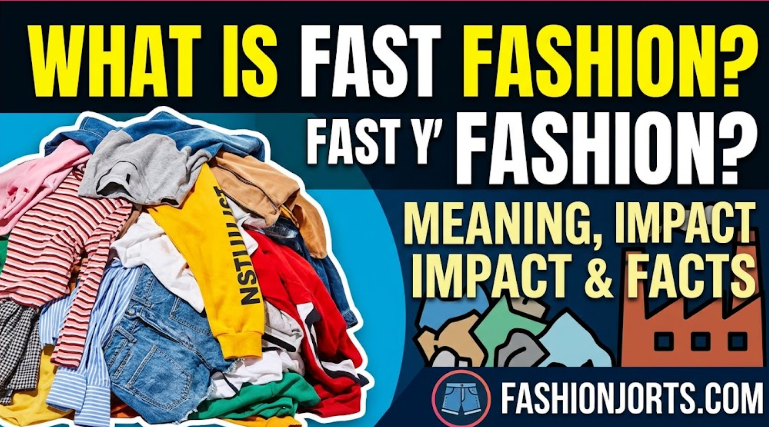
Fast fashion is a modern way of producing and selling clothing that focuses on speed, affordability, and keeping up with changing trends. A style seen on social media or worn by celebrities can quickly become available in stores and online shops at a much lower price than traditional fashion pieces. This approach has changed the way people buy clothes, making new styles easier to access than ever before. However, fast fashion is not only about cheap clothing. It is also about how garments are designed, manufactured, marketed, and consumed. While it gives shoppers more choices and affordable options, it has also created discussions about waste, quality, environmental pressure, and working conditions in the fashion industry.
What Does Fast Fashion Mean?
Fast fashion refers to clothing that is produced quickly to match current trends and sold at affordable prices. Traditional fashion companies often work with seasonal collections, but fast fashion brands release new designs much more frequently. The idea behind this model is simple: identify what customers want, create similar styles quickly, manufacture them in large quantities, and sell them before trends change. This allows shoppers to regularly update their wardrobes without spending a lot of money. The growth of online shopping has made this process even faster. Customers can now discover a trend on social media and find similar products available for purchase almost immediately.
How Fast Fashion Became Popular
The popularity of fast fashion grew as consumer habits changed. People became interested in having access to the latest styles without paying premium prices. Clothing shifted from being something people purchased occasionally to something many consumers bought more regularly. Retailers also improved their supply chains, making it easier to design, produce, and distribute clothing quickly. Brands began using customer data, online searches, and social media activity to understand what styles were gaining attention. The rise of influencers and fashion content online further increased demand for new outfits. Many people now see clothing as a way to express personality, follow trends, or create fresh looks for social platforms.
How Fast Fashion Brands Create New Products Quickly
Fast fashion companies follow a process designed around speed. Designers study popular styles and create versions that match current customer interests. Instead of spending years developing a collection, brands can move products from concept to store shelves in a much shorter period. Large-scale manufacturing helps keep prices low. Factories produce high volumes of clothing, allowing companies to reduce the cost per item. These savings are often passed on to customers through lower prices. The system depends on customers continuing to purchase new items. Frequent releases encourage shoppers to return often because new styles are constantly introduced.
Why People Choose Fast Fashion
One of the main reasons people buy fast fashion is affordability. Many shoppers want fashionable clothing but cannot spend large amounts on designer or premium brands. Fast fashion provides access to similar styles at prices that fit different budgets. Another reason is variety. Customers can experiment with different colors, designs, and trends without making a major financial commitment. This flexibility is especially appealing to people who enjoy changing their style regularly. Fast fashion also offers convenience. Online stores make it easy to browse thousands of products, compare prices, and order clothing from home.
The Environmental Concerns Around Fast Fashion
The fast fashion industry has faced criticism because producing large amounts of clothing can create environmental challenges. More production often means greater use of materials, energy, and transportation. A major concern is textile waste. Some low-cost garments may not be designed to last for many years, and unwanted clothing can end up being discarded instead of reused or recycled. The materials used in clothing also matter. Some synthetic fabrics require energy-intensive production and can contribute to pollution during manufacturing and disposal. These concerns have increased interest in recycling, sustainable materials, and longer-lasting clothing.
How Fast Fashion Impacts Workers
Clothing production involves millions of workers around the world. For many regions, garment manufacturing provides important employment opportunities and supports local economies. At the same time, some parts of the fashion supply chain have faced criticism over worker conditions. Issues raised by researchers and organizations include low wages, long working hours, and workplace safety concerns. Because fashion supply chains are complex, conditions can differ greatly between factories and countries. Some companies have introduced monitoring programs and ethical sourcing policies, while others continue to face questions about transparency.
Fast Fashion and the Quality of Clothing
Low prices can sometimes affect the durability of clothing. Some fast fashion items are designed for short-term use, which means they may not last as long as higher-quality garments. This does not mean every affordable item has poor quality. Many factors influence how long clothing lasts, including materials, construction, care, and how often it is worn. For shoppers, understanding fabric quality and choosing pieces that can be used for longer can help reduce unnecessary purchases.
How Consumers Can Make Smarter Fashion Choices
People do not have to completely stop buying affordable clothing to make more responsible choices. Simple changes can help create a more balanced approach to shopping. Buying fewer items, choosing versatile clothing, repairing damaged pieces, and donating unwanted clothes are practical steps. Shopping secondhand is another option that allows people to find unique styles while extending the life of existing garments. The most important change is awareness. Understanding how clothing is made helps consumers decide what fits their needs, budget, and values.
The Future of Fast Fashion
Fast fashion continues to be a major part of the global clothing industry, but expectations around fashion are changing. More consumers are asking questions about where their clothes come from and how they are produced. Brands are responding by exploring recycled materials, improved production methods, and greater supply chain transparency. However, creating a more responsible fashion system requires changes from companies, consumers, and policymakers. The future of fashion may not be about completely replacing fast fashion but finding ways to make clothing production more balanced, durable, and responsible.
Conclusion
Fast fashion has changed the clothing industry by making trends faster, cheaper, and easier to access. It gives consumers more options, but it also creates challenges related to waste, production, and sustainability. The conversation around fast fashion is becoming more focused on finding a better balance between affordability and responsible choices. Consumers can influence the industry through the way they shop and care for their clothing. Fashion will always change, but the way clothes are produced and used can continue to improve. Making thoughtful decisions about purchases is one way to support a more sustainable future for clothing.