The 1930s fashion era was a turning point in clothing history. After the relaxed and youthful styles of the 1920s, fashion moved toward elegance, structure, and a more refined appearance. The decade introduced graceful silhouettes, carefully tailored outfits, and glamorous eveningwear that reflected both social changes and the influence of Hollywood. Although the 1930s were shaped by economic struggles, people still valued looking polished and well-dressed. Clothing became more practical, but designers found creative ways to add beauty through fabric choices, smart tailoring, and thoughtful details. The result was a style era that combined sophistication with everyday wearability.
The Evolution of Style During the 1930s
At the start of the decade, fashion was moving away from the straight, loose shapes of the 1920s. Women’s clothing began to highlight the natural waist, while skirts became longer and silhouettes became more feminine. Instead of hiding the body’s shape, designers created garments that followed natural curves. The economic conditions of the Great Depression influenced fashion choices as well. Many people focused on buying fewer but more useful pieces. Clothing needed to be durable, adaptable, and stylish without unnecessary expense. This created a balance between practicality and elegance. Simple dresses could be transformed with accessories, while well-made jackets and coats became valuable wardrobe pieces.
Women’s Fashion in the 1930s
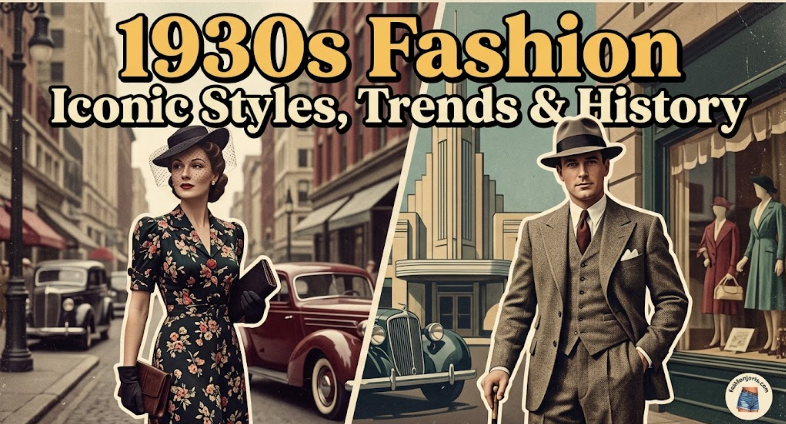
Women’s clothing during the 1930s focused on grace and sophistication. Dresses were designed with fitted waists, flowing skirts, and details that created a polished appearance. Daywear often included printed dresses, tailored jackets, skirts, and blouses. Floral patterns, soft colors, and feminine details such as collars, buttons, and puff sleeves were popular choices. For formal occasions, women wore longer dresses made from luxurious fabrics. Evening fashion became a chance to embrace glamour, especially as Hollywood films inspired new ideas about beauty and style.
The Popularity of Bias-Cut Dresses
One of the most recognizable developments of 1930s fashion was the bias-cut dress. This technique allowed fabric to fall naturally across the body, creating a smooth and flowing shape. These dresses were especially popular for evening events because they created movement and elegance. Silk, satin, and other soft fabrics helped achieve the luxurious appearance associated with the era. The bias-cut style became closely connected with Old Hollywood glamour. Its influence can still be seen today in modern evening dresses and vintage-inspired designs.
Hollywood’s Role in Fashion Trends
Hollywood had a powerful impact on what people wanted to wear during the 1930s. Movie stars became style inspirations, and audiences looked to films for ideas about clothing, hairstyles, and beauty. Actresses often appeared in dramatic gowns, perfectly styled outfits, and elegant accessories. These looks influenced everyday fashion by making glamorous designs more desirable. The relationship between cinema and clothing became stronger during this period. Fashion was no longer only about practicality; it was also about creating an image and expressing personality.
Men’s Fashion in the 1930s
Men’s fashion during the 1930s was defined by confidence and traditional tailoring. Suits were a major part of men’s wardrobes, especially for work and formal occasions. Jackets often featured broader shoulders, wider lapels, and a structured shape. High-waisted trousers and matching waistcoats created a sharp, complete appearance. Accessories were equally important. Hats, leather shoes, ties, pocket squares, and watches helped create the finished look that represented the well-dressed man of the era.
Fabrics and Colors That Defined the Era
The materials used during the 1930s reflected both luxury and practicality. Expensive fabrics appeared in formal clothing, while more affordable options were used for everyday garments. Silk and satin were common choices for eveningwear, while wool and cotton were popular for daily clothing. Designers also used rayon because it offered a stylish alternative at a lower cost. Colors during the decade were generally elegant and refined. Deep shades such as navy, brown, black, and green were common, along with softer pastel tones for women’s clothing.
Accessories That Completed the 1930s Look
Accessories played a major role in creating a complete outfit. A simple dress or suit could become more fashionable with the right finishing touches.Women often wore gloves, hats, handbags, pearls, and decorative jewelry. Shoes with elegant shapes, such as T-strap styles, were also popular. Men commonly added hats, formal shoes, belts, and carefully chosen ties. These details helped create the sophisticated appearance associated with the decade.
Designers Who Shaped 1930s Fashion
Several designers influenced the direction of fashion during the 1930s. Madeleine Vionnet became known for her innovative approach to dress construction, especially her use of the bias cut. Elsa Schiaparelli brought artistic ideas into fashion, combining clothing with unusual designs and creative concepts. Coco Chanel continued influencing women’s clothing with comfortable yet stylish designs. Together, these designers helped move fashion toward creativity, comfort, and individuality.
How 1930s Fashion Influences Modern Clothing
The appeal of 1930s style has remained strong because many of its designs feel timeless. Modern designers continue to borrow ideas from the decade, including flowing dresses, elegant tailoring, and vintage-inspired accessories. The era’s focus on quality and careful design continues to attract people who appreciate classic clothing. Vintage fashion lovers often recreate 1930s looks for weddings, themed events, photography, and everyday outfits. The decade proves that good design can survive changing trends. Styles created nearly a century ago still influence how people think about elegance today.
Conclusion
The 1930s fashion era created a unique combination of practicality and elegance. Despite economic challenges, people continued to value personal style and creative design. From flowing gowns to sharp suits, the decade introduced clothing styles that remain admired today. Its influence can be seen in modern fashion, film, and vintage culture. The lasting popularity of 1930s style comes from its timeless message: clothing can be practical, beautiful, and a reflection of personal identity at the same time.