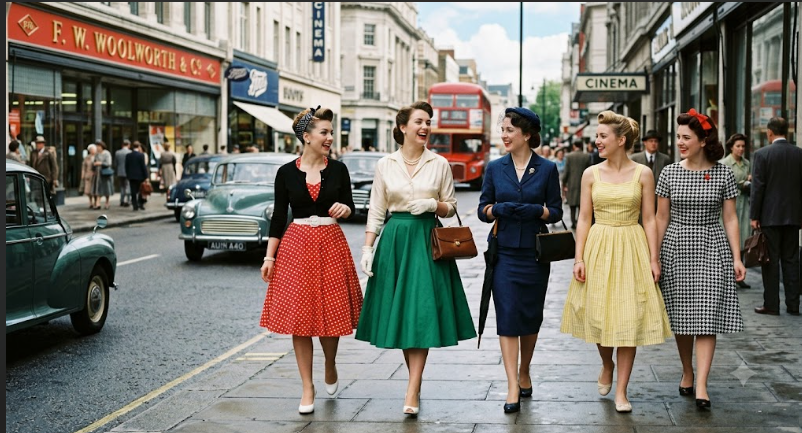
The 1950s created some of the most memorable fashion images of the twentieth century. It was a period when clothing became a way to express confidence, personality, and social change. Women embraced elegant silhouettes with defined waists and graceful dresses, while men’s styles moved between traditional tailoring and a new sense of casual freedom.
Unlike many fashion eras that are remembered for only one trend, the 1950s offered many different looks. From polished suburban outfits and Hollywood glamour to teenage rebellion and rock-and-roll influences, the decade reflected a society that was changing quickly. Many of these styles continue to inspire designers, vintage collectors, and modern fashion lovers today.
The Story Behind 1950s Fashion
The 1950s began during a period of recovery after World War II. As countries rebuilt and economies improved, people started moving away from wartime simplicity and looked for clothing that felt more expressive and luxurious. Fashion designers responded with structured garments, better-quality fabrics, and carefully crafted details. Women’s clothing became more shaped and decorative, while men’s clothing maintained a strong focus on clean tailoring.
The decade also saw the rise of youth culture. Teenagers gained more independence, and their music, movies, and clothing choices began influencing mainstream fashion. This was the beginning of a new relationship between popular culture and personal style.
Women’s 1950s Fashion: A Focus on Shape and Sophistication
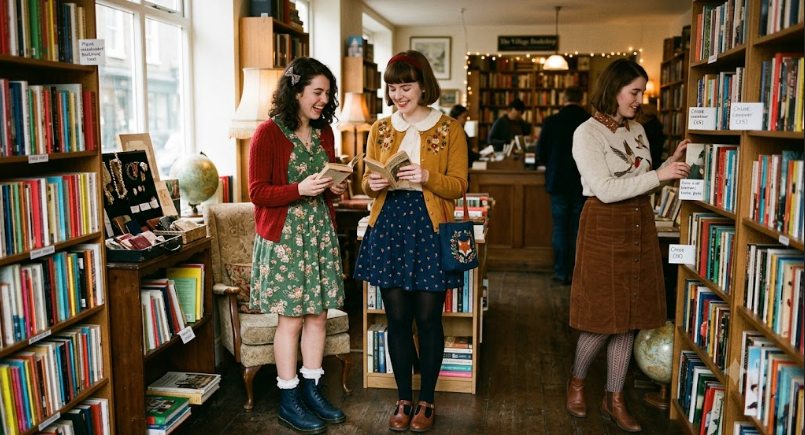
Women’s fashion in the 1950s was known for elegance and attention to detail. Clothing often emphasized the natural shape of the body, especially through fitted waistlines and carefully designed silhouettes. Dresses were a major part of everyday wardrobes. Many women wore fit-and-flare dresses that created a balanced shape, while others preferred slimmer pencil skirts for a more professional appearance. Clothing was usually paired with accessories such as gloves, handbags, scarves, and jewelry. The ideal look was polished but practical. Even simple outfits often included thoughtful details, such as matching colors, coordinated accessories, or carefully styled hair.
The Influence of the New Look
One of the biggest influences on 1950s women’s fashion was Christian Dior’s New Look, introduced in 1947. The style became widely associated with the following decade because of its dramatic contrast with wartime clothing. The look featured rounded shoulders, a narrow waist, and fuller skirts that created an elegant feminine shape. It represented a return to glamour and luxury after years when clothing had been more restricted. Although some people criticized the style for being less practical, many women embraced it because it offered a sense of beauty and sophistication. Its influence can still be seen in modern vintage-inspired dresses.
Everyday Casual Fashion in the 1950s
Not every outfit in the 1950s was formal. Daily clothing was often comfortable, simple, and suitable for work, shopping, or social activities. Women commonly wore cotton dresses, cardigans, blouses, skirts, and practical trousers. Casual outfits were often enhanced with small touches such as belts or patterned fabrics. Men’s casual clothing also became more relaxed. Young men especially adopted jeans, casual shirts, sweaters, and jackets as everyday options. This shift helped create the foundation of modern casual fashion.
Men’s 1950s Fashion: From Classic Suits to Casual Style
Men’s fashion during the 1950s combined traditional appearance with changing attitudes. Many men continued wearing suits for business and formal occasions, but everyday clothing became less rigid. Classic men’s outfits included tailored jackets, dress shirts, narrow ties, and polished shoes. Neutral colors such as gray, navy, and brown were popular for professional clothing. Outside formal settings, men began wearing more comfortable pieces such as sweaters, sports jackets, denim jeans, and casual shirts. These styles reflected a growing interest in individuality and leisure.
The Rise of the Greaser Look
The greaser style became one of the most recognizable youth trends of the decade. It represented rebellion, confidence, and a break from traditional expectations. The classic greaser outfit usually included a leather jacket, plain T-shirt, denim jeans, boots, and a carefully styled hairstyle. Movies and musicians helped spread this image, making it a symbol of teenage independence. The style was not only about clothing. It represented an attitude connected to rock-and-roll culture, motorcycles, and a desire to create a unique identity.
How Hollywood Shaped 1950s Style
Hollywood had a powerful effect on fashion during the decade. Movie stars became style inspirations, and audiences looked to them for ideas about clothing, beauty, and presentation. Audrey Hepburn became known for her elegant and refined appearance, while Marilyn Monroe represented glamour through fitted dresses and bold feminine styling. Grace Kelly became associated with timeless sophistication and classic luxury. Male actors also influenced fashion. James Dean’s simple combination of jeans, a T-shirt, and a jacket became one of the most copied casual looks of the era.
Hairstyles and Beauty Trends of the 1950s
Fashion in the 1950s was not limited to clothing. Hairstyles and makeup were essential parts of the overall appearance. Women often wore carefully styled curls, soft waves, ponytails, or elegant updos. Makeup usually focused on defined eyes, shaped eyebrows, and classic lipstick shades. Men’s hairstyles were also highly recognizable. Slicked-back hair became closely associated with the rebellious image popular among young men.
Late 1950s Fashion: The Beginning of a New Era
By the late 1950s, fashion began changing. The strict shapes of the early decade started making room for more relaxed and youthful designs. Women’s clothing became slightly simpler, with straighter silhouettes and more practical pieces gaining popularity. Men’s fashion also continued moving toward casual styles influenced by music and youth culture. These changes prepared fashion for the major cultural shifts of the 1960s, when personal expression became even more important.
Why 1950s Fashion Still Matters Today
The appeal of 1950s fashion comes from its strong identity and timeless designs. The decade created styles that are easy to recognize and adapt, from classic dresses to leather jackets and tailored clothing. Modern designers often revisit the era because its clothing represents craftsmanship, confidence, and individuality. Vintage-inspired fashion continues to attract people who appreciate classic shapes and thoughtful styling. The 1950s also reminds us that fashion reflects society. The decade captured a moment when tradition and change existed side by side, creating a style legacy that remains relevant.
Conclusion
1950s fashion was a turning point that brought together elegance, tradition, and youthful rebellion. It created styles that represented both the desire for sophistication and the growing importance of personal identity. From Dior’s dramatic silhouettes to the casual confidence of denim and leather jackets, the decade offered something for every generation. Its influence remains visible because the clothing was not only stylish but also connected to the changing lives of the people who wore it. Today, 1950s-inspired fashion continues to remind us that great style does not disappear. It evolves, adapts, and finds new meaning with every generation.