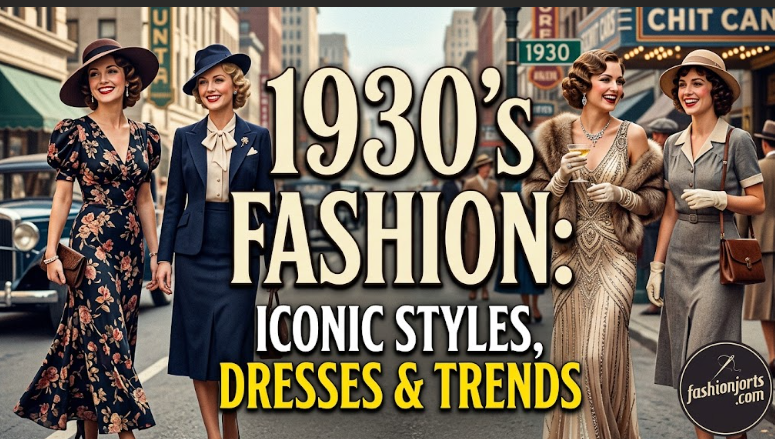
The 1930s was a decade when fashion learned how to balance beauty with reality. The world was dealing with the effects of the Great Depression, yet people still cared about looking well-dressed and confident. Clothing became more thoughtful, with designs that offered elegance without unnecessary expense. The bold, relaxed shapes of the 1920s slowly disappeared, replaced by softer silhouettes, longer skirts, and more structured outfits. Women’s clothing focused on natural curves, while men’s suits became sharper and more sophisticated. At the same time, Hollywood turned fashion into a dream that millions of people wanted to recreate.
How the 1930s Changed Fashion After the 1920s
The transition from the 1920s to the 1930s brought a major change in how people viewed clothing. The previous decade celebrated freedom through shorter dresses, loose shapes, and a youthful appearance. The new decade moved toward a more mature and polished style. Women’s dresses began highlighting the waist again, while skirts became longer and more flowing. Instead of hiding the body’s shape, designers created clothing that followed natural movement. The goal was elegance rather than exaggeration. For many families, fashion also became about making smart choices. People repaired older clothing, reused fabrics, and invested in pieces that could last longer. Style remained important, but practicality became part of the decision-making process.
Women’s Fashion Trends That Defined the Decade
Women’s fashion in the 1930s was known for its graceful shapes and attention to detail. Dresses became one of the strongest symbols of the era, ranging from simple daytime designs to dramatic evening gowns. Day dresses often featured fitted waists, printed fabrics, collars, buttons, and modest lengths. These outfits were designed for daily life but still carried a sense of refinement. Small details like belts, sleeves, and decorative stitching helped create variety without making clothing expensive. Evening fashion was more dramatic. Women wore gowns made from materials such as silk and satin, with designs that created smooth, flowing lines. These dresses were often elegant rather than heavily decorated, allowing the fabric and shape to become the main focus.
Why Bias-Cut Dresses Became So Popular
One of the most recognizable styles of the 1930s was the bias-cut dress. This technique involved cutting fabric diagonally, which allowed the material to stretch and follow the body naturally. The result was a softer and more fluid appearance. Dresses moved beautifully while walking and created a long, elegant silhouette. This style became especially popular for evening wear because it looked luxurious without needing excessive decoration. Designers used this method to create gowns that felt modern for the time. The popularity of bias-cut clothing showed how fashion was moving toward comfort, movement, and a closer relationship between fabric and the human body.
Hollywood’s Influence on 1930s Style
Cinema had a powerful effect on fashion during the 1930s. Movies provided an escape during difficult years, and audiences looked at actors and actresses as examples of beauty and sophistication. Stars such as Greta Garbo, Joan Crawford, and Marlene Dietrich influenced hairstyles, makeup, and clothing choices. Their elegant gowns, tailored outfits, and confident appearances created trends that reached far beyond movie theaters. Hollywood also changed expectations around evening fashion. People began associating glamorous clothing with confidence and personality. A beautifully designed dress was no longer just something to wear; it became part of a person’s identity.
Everyday Clothing and Practical Style for Women
Although glamorous gowns received attention, most women spent their lives wearing practical clothing. Everyday outfits needed to work for shopping, household responsibilities, office jobs, and social activities. Simple dresses were often paired with jackets, cardigans, gloves, or hats. Matching sets became popular because they allowed women to create a polished appearance without owning a large wardrobe.The decade also introduced more relaxed clothing options. Women began wearing trousers for certain activities, especially travel, sports, and leisure. While dresses remained the standard choice for many occasions, pants slowly became more accepted.
Men’s Fashion in the 1930s
Men’s fashion during the 1930s focused on strong tailoring and a confident appearance. Suits were a central part of a man’s wardrobe, whether for business, formal events, or social gatherings. The typical suit featured wider shoulders, larger lapels, and high-waisted trousers. Compared with earlier styles, these suits created a stronger and broader shape. Accessories completed the look. Hats, especially fedoras, were common parts of everyday clothing. Leather shoes, ties, pocket squares, and watches added finishing touches that showed attention to personal style.
Fabrics, Colors, and Patterns of the 1930s
The materials used during the decade reflected both luxury and affordability. Wealthier customers could choose expensive fabrics, while others relied on materials that provided a similar appearance at a lower cost. Silk, wool, cotton, velvet, and rayon were commonly used. Rayon became especially useful because it allowed manufacturers to create attractive clothing at more accessible prices. Colors during the decade ranged from deep and elegant shades to softer tones. Navy, brown, black, green, cream, and pastel colors were popular choices. Patterns such as florals, stripes, and geometric designs added personality to everyday clothing.
Hairstyles and Beauty Trends of the 1930s
Hair and makeup were essential parts of the 1930s appearance. Women often wore carefully styled waves, curls, and shorter hairstyles that framed the face. Finger waves became one of the most recognizable hairstyles of the era. This style created smooth curves close to the head and became strongly connected with Hollywood glamour. Makeup trends focused on defined eyebrows, darker lipstick shades, and a polished finish. The overall beauty style aimed for sophistication and confidence.
Why 1930s Fashion Still Inspires People Today
The appeal of 1930s fashion comes from its balance between elegance and practicality. The decade produced styles that looked beautiful but were also designed for real people and everyday situations. Modern designers continue borrowing ideas from this period, especially flowing gowns, tailored suits, vintage accessories, and classic silhouettes. The influence can be seen in formal clothing, wedding styles, and retro-inspired collections. People are also drawn to the decade because it represents craftsmanship. Many garments from this period show careful construction, attention to fabric, and an appreciation for details that are often missing from fast fashion today.
Conclusion
The 1930s was a decade where fashion adapted without losing its sense of beauty. Even during challenging economic conditions, people found ways to express personality and confidence through clothing. The era created some of the most memorable styles in fashion history, from flowing gowns to carefully tailored suits. Its influence continues because the designs focused on something that never becomes outdated: clothing that makes people feel comfortable, confident, and stylish. Today, 1930s fashion remains a reminder that great style does not depend only on luxury. It comes from thoughtful design, creativity, and the ability to make simple ideas look extraordinary.