The 1920s was a decade when fashion broke away from many old traditions and embraced a new sense of freedom. After years of war and social change, people wanted clothing that matched their changing lifestyles. Dresses became easier to move in, hairstyles became shorter, and personal style became a stronger form of expression. Known as the Roaring Twenties, this period introduced some of the most recognizable fashion trends in history. From the glamorous flapper dress to the classic cloche hat, 1920s style represented confidence, creativity, and a modern approach to dressing. While popular images often focus on party fashion, everyday clothing during the decade was also practical, elegant, and influenced by the changing role of women and new cultural movements.
The Social Changes Behind 1920s Fashion
Fashion does not change on its own. The clothing of the 1920s reflected major shifts in society. Women gained more independence, entered workplaces in greater numbers, and participated more actively in public life. They wanted clothing that allowed them to move comfortably while still looking stylish. The restrictive garments of earlier decades gradually disappeared. Heavy layers and tightly shaped clothing were replaced with softer fabrics, simpler designs, and relaxed silhouettes. The idea of beauty also changed, with fashion moving away from emphasizing dramatic curves toward a straighter and more youthful appearance. Cities became centers of entertainment and culture during this time. Jazz clubs, theaters, and social gatherings created demand for clothing that looked attractive under evening lights and allowed freedom of movement.
The Rise of the Flapper Dress
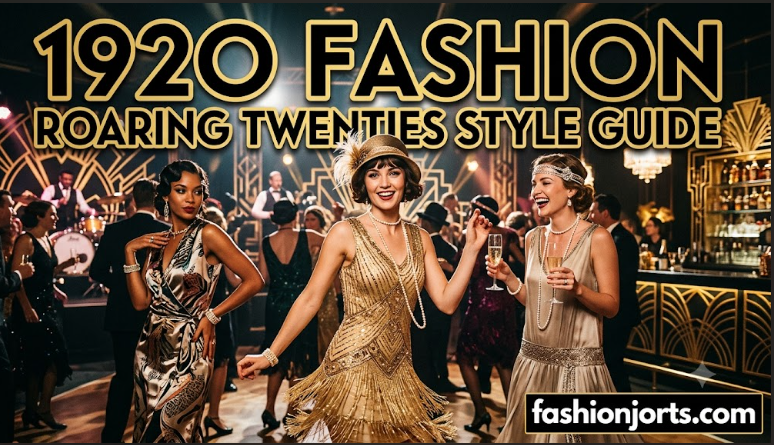
The flapper dress became the defining image of 1920s women’s fashion. It represented a younger generation that challenged traditional expectations and embraced a more active lifestyle. Unlike earlier dresses with fitted waists and long skirts, flapper dresses had a loose shape with a lower waistline. They were designed to hang naturally from the shoulders, creating a simple and comfortable silhouette.
Many flapper dresses included decorative details such as:
- Beaded patterns
- Sequins
- Fringe
- Embroidery
- Soft flowing fabrics
These details created movement, especially during dancing. The popularity of jazz and dances like the Charleston made clothing that moved with the body highly desirable. However, not every woman in the 1920s dressed like a flapper. Many women continued wearing traditional dresses, tailored suits, and practical clothing for daily activities. Flapper style was mainly associated with young, fashionable women in urban areas.
The Drop-Waist Silhouette and New Dress Shapes
One of the biggest changes in 1920s clothing was the introduction of the drop-waist style. Instead of highlighting the natural waist, dresses placed the waistline lower around the hips. This design created a longer, straighter appearance and became one of the decade’s signature features. The style reflected a desire for simplicity and comfort rather than the highly structured shapes popular before World War I. Day dresses were often made from lightweight materials and featured simple patterns. Women wore them for shopping, work, and social activities. Evening dresses were more decorative, using luxurious fabrics and detailed designs for special occasions.
How Designers Changed Women’s Fashion
The 1920s saw designers move toward clothing that balanced elegance with practicality. Coco Chanel was one of the most influential figures of this period, helping popularize simple designs, comfortable fabrics, and a more relaxed approach to luxury. Chanel’s influence came from creating clothing that looked sophisticated without feeling restrictive. She helped introduce a modern idea of fashion where comfort and style could exist together. Other designers also contributed to the decade’s fashion movement by experimenting with new fabrics, shapes, and decorative techniques. Their work helped define the modern wardrobe that developed during the era.
1920s Hairstyles and Beauty Trends
Hair became an important part of 1920s fashion. Many women moved away from long hairstyles and embraced shorter cuts that matched their new clothing styles. The bob haircut became one of the decade’s most recognizable trends. Women wore variations of the bob with soft waves, curls, and carefully styled shapes. Short hair was not just a fashion choice; for many women, it represented independence and a break from older traditions. Beauty trends also changed. Makeup became more widely accepted, and women experimented with darker lipstick, defined eyebrows, and dramatic eye makeup. The overall look focused on confidence and glamour.
Accessories That Defined the Era
Accessories completed the fashionable 1920s appearance. Since many dresses had simple shapes, jewelry and hats added personality and decoration. The cloche hat was one of the most popular accessories of the decade. Its close-fitting design worked perfectly with short hairstyles and was often worn low over the forehead. Jewelry was also important. Long pearl necklaces, decorative bracelets, and Art Deco-inspired pieces became popular choices for evening events. Geometric shapes, bold designs, and sparkling materials reflected the artistic style of the period. Shoes also changed to suit the active lifestyle of the decade. Women preferred practical yet stylish footwear that allowed them to walk comfortably and dance easily.
Men’s Fashion During the 1920s
Men’s fashion in the 1920s combined traditional tailoring with more relaxed styles. Suits remained an important part of men’s wardrobes, especially for business and formal occasions. Popular suit features included wider trousers, longer jackets, and softer shapes. Younger men experimented with casual clothing such as sweaters, patterned shirts, and sports-inspired outfits. Hats were also a key part of men’s style. Fedoras, flat caps, and other classic designs completed the polished appearance of the decade. The fashion of the period showed a movement toward comfort while maintaining a well-dressed appearance.
The Influence of Jazz and Art Deco
Music and art had a strong connection with 1920s fashion. Jazz culture brought energy and excitement to social life, influencing clothing designed for dancing and entertainment. Art Deco also shaped the decade’s visual style. Its influence appeared in jewelry, fabrics, embroidery, and patterns. Designers used bold shapes, symmetry, and decorative details to create a sense of modern elegance. Fashion became closely connected with the idea of progress and creativity. Clothing was no longer only about tradition; it became a way to show personality and lifestyle.
Why 1920s Fashion Still Matters Today
The appeal of 1920s fashion has lasted for generations because the decade introduced styles that still feel fresh. Designers continue to revisit fringe dresses, vintage accessories, short hairstyles, and Art Deco-inspired details. Modern weddings, themed events, films, and fashion collections often borrow elements from the Roaring Twenties. The decade remains popular because it represents a moment when people began using clothing to express confidence, independence, and individuality.
Common Misunderstandings About 1920s Fashion
Many people assume that everyone in the 1920s dressed in glamorous eveningwear, but everyday fashion was much more varied. Most people wore practical clothing suited to their jobs, families, and daily routines. Another misunderstanding is that fashion changed overnight in 1920. The transformation happened gradually throughout the decade, with new styles becoming popular over several years. The true story of 1920s fashion is not only about flappers and parties. It is about a period of transition when clothing adapted to a changing society.
Conclusion
1920 fashion represented a major shift in how people viewed clothing and personal style. The decade replaced many traditional rules with designs focused on comfort, movement, and self-expression. Although the flapper remains the most famous symbol of the era, the full story includes much more—from everyday dresses and men’s suits to changing beauty standards and artistic influences. The legacy of the Roaring Twenties continues because it captured a moment when fashion became a reflection of confidence, independence, and modern life.