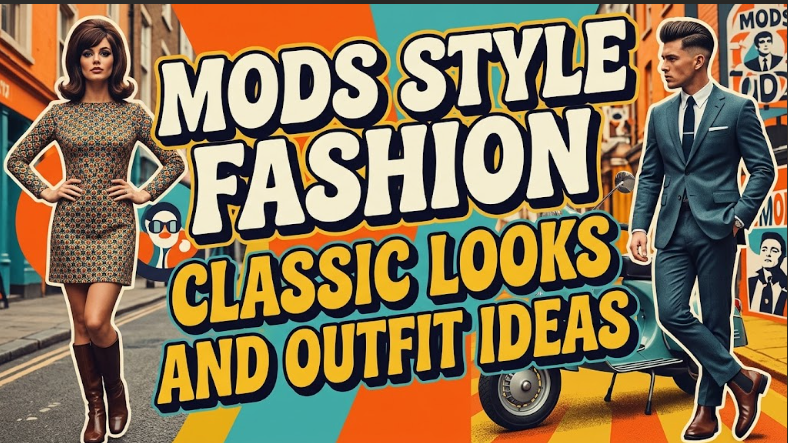
Mods style fashion is known for its sharp tailoring, clean shapes, and carefully chosen details. Originating in Britain during the late 1950s and gaining popularity in the 1960s, the style gave young people a way to express their identity through clothing, music, and personal taste. Its influence remains visible in modern wardrobes, from slim suits and Chelsea boots to geometric dresses and structured jackets. The best part is that you don’t need an entirely vintage wardrobe to capture the look.
What Is Mods Style Fashion?
Mod fashion began as part of a youth culture that valued modern music, stylish clothing, and a polished appearance. The name comes from “Modernist,” reflecting the movement’s interest in contemporary design rather than traditional dress. Followers paid close attention to how their clothes fitted and how individual pieces worked together. Unlike styles built around distressed denim or loose layers, classic mod clothing usually has a more structured appearance. Fitted jackets, neat shirts, narrow trousers, and simple dresses create a balanced silhouette. Today, the style can be adapted for everyday wear without losing its original character.
The History of Mod Fashion
Mod culture developed in London during the late 1950s before spreading throughout Britain in the following decade. Young people embraced modern jazz, rhythm and blues, and fashionable European clothing, creating a distinct identity that set them apart from older generations. Fashion became an important part of the movement. Carnaby Street in London gained attention for its independent boutiques and youthful menswear, while designers such as Mary Quant helped define the changing look of women’s clothing. Shorter hemlines, graphic patterns, and simple dresses became associated with the decade’s changing attitudes. Mod style continued to evolve as the 1960s progressed. Some followers kept their outfits understated, while others embraced brighter colors and more experimental designs. This variety is one reason the movement remains an appealing source of inspiration.
Key Pieces That Define the Mod Look
Tailored Jackets and Slim Trousers
A well-fitted jacket is one of the easiest ways to introduce mod style into a wardrobe. Look for clean shoulders, narrow lapels, and a shape that follows the body without restricting movement. Slim or straight-leg trousers complete the outfit and create a neat appearance. For a casual alternative, wear the jacket with a plain T-shirt and dark jeans. This combination keeps the traditional tailoring while making it suitable for everyday activities.
Polo Shirts and Button-Down Shirts
Simple shirts are useful building blocks for mod-inspired outfits. A fitted polo shirt works well with tailored trousers, while a crisp button-down shirt creates a smarter appearance. Lightweight sweaters and turtlenecks are also suitable, particularly during cooler months. Choose solid colors when you want versatility. Stripes and small geometric patterns can add personality without making the outfit look overly busy.
Shift Dresses and A-Line Skirts
Women’s mod fashion often features shift dresses, A-line skirts, and shorter hemlines. Shift dresses have a relatively straight shape, while A-line skirts widen gradually toward the bottom. Both options offer a distinctive retro appearance without requiring complicated styling. Pair a patterned dress with tights and ankle boots for a classic combination. For a more understated outfit, choose a solid-color dress and add a structured coat or simple cardigan.
Chelsea Boots and Loafers
Footwear helps bring the outfit together. Chelsea boots are especially versatile because their simple shape works with jeans, tailored trousers, and dresses. Loafers and polished leather shoes offer another option for people who prefer a more traditional appearance. Comfort matters as much as appearance. Choose shoes that fit properly and suit your daily routine rather than buying a pair simply because it looks vintage.
Parkas and Harrington Jackets
Outerwear adds another recognizable element to mod fashion. The fishtail parka became associated with British scooter culture, while the Harrington jacket offers a shorter, cleaner alternative. A green parka can be worn over a polo shirt and dark jeans for a relaxed outfit. A Harrington jacket works well with straight-leg trousers and simple leather shoes when you want something lighter and more fitted.
How to Create Modern Mod Outfits
You can recreate the look by combining one classic piece with contemporary basics. For men, a tailored jacket, plain shirt, dark trousers, and Chelsea boots provide a straightforward starting point. For women, a shift dress with ankle boots or tailored trousers with a fitted knit top offers a similar balance. Color choices can change the mood of an outfit. Black, white, navy, and gray create a restrained appearance, while red, mustard, and blue bring more of a 1960s influence. Geometric prints are useful when you want a stronger retro effect. Avoid making every piece a statement. A patterned dress, bright jacket, and heavily decorated shoes may compete for attention when worn together. Choosing one focal point usually creates a more balanced result.
Mod Fashion vs. Other Retro Styles
Mod fashion is sometimes confused with other clothing trends from the 1960s, but the silhouettes are different. Mod outfits typically emphasize fitted tailoring, coordinated pieces, and polished footwear. Hippie fashion is more closely associated with flowing clothing, flared trousers, loose layers, and bohemian prints. Rocker style often incorporates leather jackets, denim, and heavier boots, creating a tougher appearance. Space Age fashion, meanwhile, experimented with futuristic shapes, unusual materials, and bold geometric designs. These styles sometimes overlapped, so the differences are not absolute. Still, understanding their main characteristics can help you choose clothing that matches the look you want.
How to Build a Mod Wardrobe on a Budget
You don’t need to replace your entire wardrobe to try this style. Start with versatile items you can wear in different combinations, such as a fitted shirt, dark trousers, simple boots, or a structured jacket. Secondhand shops and vintage stores can be good places to look for distinctive pieces. Check the condition of seams, zippers, buttons, and footwear before buying, especially if an item is genuinely old. Modern clothing with a similar cut can work just as well if it fits comfortably. Focus on fit before quantity. A few well-chosen garments that work together are more useful than a wardrobe full of pieces that only suit one outfit.
Common Mistakes to Avoid
One common mistake is assuming that every mod outfit must reproduce the 1960s exactly. Vintage-inspired clothing can look natural in a modern wardrobe when paired with contemporary basics and practical footwear. Another mistake is choosing clothes that are too tight. Classic mod style favors a neat silhouette, but the clothing should still allow comfortable movement. Proper proportions matter more than squeezing into a particular size. Finally, avoid relying on accessories to create the entire look. Sunglasses, watches, and retro hairstyles can add character, but the foundation remains the clothing itself.
Conclusion
Mods style fashion offers a practical way to combine vintage influence with everyday clothing. Its emphasis on fit, simple shapes, and thoughtful styling makes it adaptable to different occasions and personal preferences. You can follow the classic look closely or borrow individual pieces without committing to a head-to-toe retro outfit. Start with clothing you feel comfortable wearing, then experiment with tailoring, footwear, and patterns until you find a combination that feels natural. The aim is not to look as though you’ve stepped out of the 1960s. It’s to take the best elements of the style and make them your own.