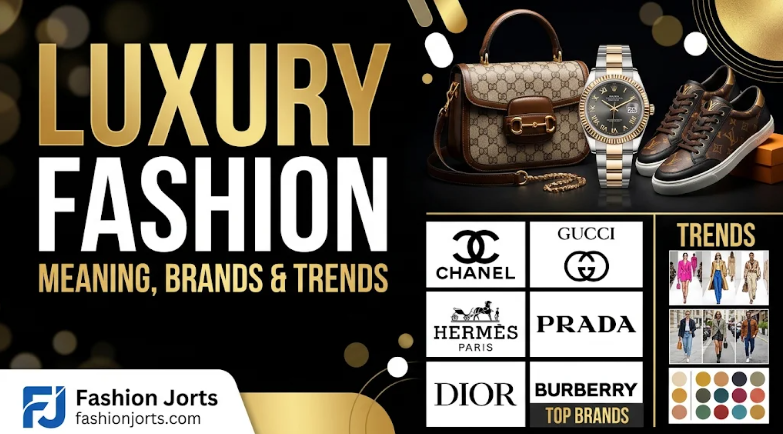
Luxury fashion is often associated with expensive handbags, designer clothing, and exclusive boutiques. Yet its appeal goes beyond high prices and recognisable logos. Fine materials, thoughtful design, skilled craftsmanship, and attention to detail are what give many high-end pieces their distinctive character. For some people, buying designer clothing is a way to express personal style. Others appreciate the history behind established fashion houses or prefer garments they can wear for years. Understanding what makes fashion luxurious can help shoppers recognise genuine quality, explore different styles, and make better purchasing decisions.
What Is Luxury Fashion?
Luxury fashion refers to high-end clothing, footwear, handbags, jewellery, and accessories produced by premium designers and established fashion houses. These products are often recognised for their distinctive designs, quality materials, skilled production, and exclusive appeal. Unlike everyday clothing, luxury pieces may involve specialist techniques, carefully selected fabrics, and detailed finishing. Some garments are produced in limited quantities, while others belong to permanent collections that remain popular for decades. The emphasis is generally on design identity and product quality rather than affordability. However, a high price doesn’t automatically guarantee superior craftsmanship. Brand reputation, marketing, customer demand, and limited availability also influence the cost. Understanding these differences helps buyers judge products on their actual merits.
The History and Evolution of Luxury Fashion
Modern luxury fashion developed from the traditions of European tailoring and dressmaking. During the nineteenth century, Paris became an important centre for custom clothing, particularly among wealthy clients who commissioned garments for formal occasions. Designers began establishing their own fashion houses and presenting original collections. Charles Frederick Worth, who opened his Paris fashion house in 1858, helped establish the foundations of modern haute couture. His approach gave designers greater creative control over the garments they produced. Over time, other fashion houses introduced distinctive silhouettes, fabrics, and construction techniques. The twentieth century brought major changes as designer labels expanded beyond custom clothing. Ready-to-wear collections made high-end designs accessible to customers who didn’t require individually fitted garments. Handbags, shoes, perfumes, and accessories also became important parts of the industry. Today, established fashion houses operate internationally, combining traditional design techniques with contemporary collections. Their products reach customers through boutiques, department stores, and online platforms.
What Makes Luxury Fashion Different?
Craftsmanship and Quality Materials
Craftsmanship is an important feature of many luxury garments. Skilled makers pay attention to pattern cutting, stitching, garment construction, and finishing. These details affect how clothing fits, moves, and maintains its appearance. Materials also contribute to the finished product. Silk, cashmere, fine wool, and carefully selected leather are commonly associated with premium fashion. Their texture, weight, and durability can influence both comfort and appearance. Still, material quality varies even among expensive brands. Checking fabric composition, stitching, lining, and care instructions offers a more reliable way to assess a product than relying on its label.
Exclusivity and Brand Identity
Established fashion houses often develop recognisable design identities. Particular patterns, silhouettes, colours, and accessories become associated with their names. These distinctive features help customers recognise a brand without necessarily seeing its logo. Exclusivity can also influence the appeal of designer products. Limited collections, personalised services, and selective distribution make certain items harder to obtain. For some customers, owning a less widely available piece adds to its attraction. However, exclusivity and quality aren’t interchangeable. A limited-edition product can be desirable because of its rarity without being better constructed than a regularly available alternative.
Most Famous Luxury Fashion Brands
Several established fashion houses have influenced designer clothing and accessories. Their histories, creative approaches, and signature products have helped shape how people understand high-end style.
- Chanel is recognised for its tweed jackets, quilted handbags, and classic tailoring. The French fashion house is closely associated with elegant clothing that combines structure with comfort. Its designs have remained influential across generations.
- Louis Vuitton began with travel trunks and luggage before expanding into handbags, accessories, and ready-to-wear clothing. Its monogram patterns and leather goods remain among its most recognisable products. The brand combines its travel heritage with contemporary design.
- Dior is known for couture, refined silhouettes, and formal clothing. Christian Dior’s New Look collection, introduced in 1947, became an important moment in postwar fashion. The house continues to produce clothing, accessories, and beauty products.
- Gucci has a distinctive approach to Italian designer fashion, combining traditional leather goods with expressive clothing and accessories. Hermès, meanwhile, is strongly associated with leather craftsmanship, silk scarves, and carefully constructed handbags. Both brands have established identities that extend beyond seasonal trends.
Haute Couture vs Ready-to-Wear Fashion
Haute couture and ready-to-wear represent two different approaches to producing designer clothing. Although both can belong to the luxury market, their methods and customer experiences are different.
Haute Couture
Haute couture involves creating garments specifically for individual clients. The process typically includes personal measurements, fittings, specialised construction, and extensive handwork. These pieces are often designed for formal occasions, private collections, or clients seeking highly personalised clothing. The term haute couture has a protected status in France, where fashion houses must meet official requirements to receive the designation. This distinguishes recognised couture production from clothing that is simply expensive or custom-made.
Ready-to-Wear
Ready-to-wear clothing is produced in standard sizes and sold as finished garments. Luxury collections may include tailored suits, dresses, coats, knitwear, and everyday clothing designed for customers who prefer designer pieces without commissioning individual garments. Although ready-to-wear generally involves broader production, quality and construction can still be important priorities. These collections also allow fashion houses to introduce new designs to a larger customer base.
Luxury Fashion Trends in 2026
Luxury fashion in 2026 continues to reflect different approaches to personal style. Understated clothing, expressive accessories, vintage-inspired designs, and contemporary tailoring all have a place in designer collections. Rather than following one dominant look, shoppers can choose pieces that suit their preferences. Quiet luxury remains a familiar term for clothing that emphasises simple silhouettes, refined fabrics, and minimal visible branding. Neutral colours, tailored coats, structured trousers, and understated accessories are commonly associated with this approach. The focus is on the overall appearance rather than prominent logos. At the same time, statement pieces continue to attract attention. Distinctive handbags, unusual textures, colourful garments, and bold footwear allow customers to experiment with their wardrobes. These products can add personality to otherwise simple outfits. Interest in pre-owned designer clothing has also encouraged shoppers to consider older collections. Vintage garments and second-hand accessories can offer access to discontinued designs. However, buyers need to examine condition, authenticity, and maintenance requirements before purchasing.
How to Choose Quality Luxury Fashion Pieces
Buying expensive clothing should begin with understanding your personal needs. A product may look attractive in a boutique but offer limited value if it doesn’t suit your lifestyle. Consider where you’ll wear it, how often you’ll use it, and whether it complements your existing wardrobe. Fit is particularly important when selecting designer clothing. A well-fitted jacket or pair of trousers can look more polished than an expensive garment with unsuitable proportions. Check the shoulders, waist, sleeve length, and overall comfort before making a decision. For handbags and footwear, examine stitching, hardware, material quality, and construction. Strong seams, secure attachments, and carefully finished edges are useful signs to look for. Care requirements also matter because some delicate materials need specialist cleaning or storage. Budget deserves equal consideration. Designer products don’t always maintain their original value, and resale prices can change with demand and condition. Purchasing something because you genuinely enjoy wearing it is generally more practical than assuming it will become a profitable investment.
Conclusion
Luxury fashion offers a combination of creative design, specialised production, and established fashion traditions. Its appeal varies between individuals, with some appreciating distinctive clothing and others placing greater importance on materials or craftsmanship. There is no single style that defines a luxurious wardrobe. The relationship between price and quality remains an important consideration. Expensive products can offer excellent construction, but customers should still examine individual pieces carefully. A recognisable label cannot replace proper fit, suitable materials, or practical usefulness. Personal style also matters more than following every new collection. Clothing that works with your preferences and daily activities is more likely to remain valuable to you over time. A thoughtfully chosen wardrobe can combine designer pieces with simpler garments without sacrificing appearance. Ultimately, buying luxury fashion should be a considered decision rather than a response to changing trends. Paying attention to craftsmanship, comfort, and long-term use helps make each purchase more meaningful.