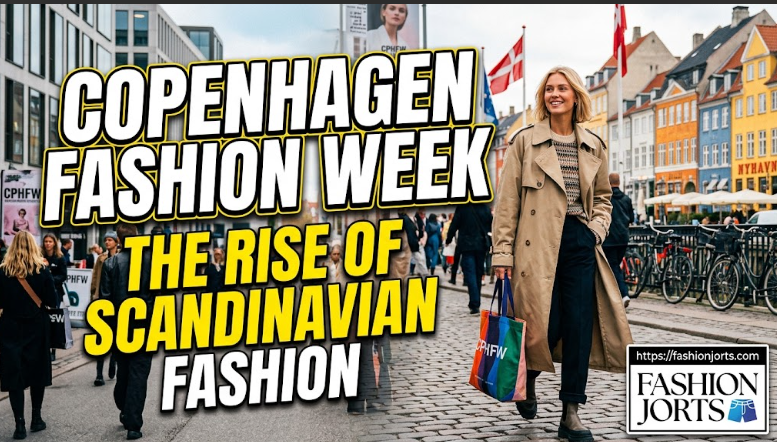
Copenhagen Fashion Week has become one of the most talked-about fashion events outside the traditional fashion capitals. Held in Denmark’s capital city, the event represents a fresh approach to fashion by combining creative design, everyday wearability, and a strong focus on responsible choices. It has attracted attention from designers, fashion editors, buyers, and style enthusiasts who are looking for something different from the usual runway experience. The event reflects the personality of Copenhagen itself. The city’s fashion scene is known for clean designs, practical clothing, bold styling choices, and a balance between comfort and creativity. Over the years, Copenhagen Fashion Week has helped Scandinavian designers gain recognition while creating a space where new ideas can reach a global audience.
What Makes Copenhagen Fashion Week Different?
Unlike some fashion weeks that are built around luxury heritage and famous fashion houses, Copenhagen Fashion Week has developed its own identity through modern Scandinavian design. The focus is often on clothing that feels realistic, functional, and suitable for everyday life. Designers featured during the event frequently experiment with shapes, colors, materials, and styling while keeping practicality in mind. A structured coat, a simple dress, or a classic pair of trousers can become more expressive through thoughtful details and creative combinations. This approach has made Copenhagen Fashion Week appealing to people who want fashion inspiration that can be adapted beyond the runway.
The Growth of Copenhagen as a Fashion Destination
Copenhagen was not always considered one of the world’s major fashion cities. However, Danish designers and brands gradually built a reputation for creating pieces that combine simplicity with personality. The growth of local fashion companies, creative talent, and international interest helped Copenhagen Fashion Week become an important event on the global calendar. Today, it attracts attention from international media and fashion professionals who want to discover new designers and understand the direction of Nordic fashion. The event has also played a role in showing that fashion influence is not limited to cities like Paris, Milan, London, and New York.
The Scandinavian Style Behind the Event
The style associated with Copenhagen Fashion Week is often described as effortless, but that simplicity requires careful design choices. Scandinavian fashion usually focuses on quality, comfort, and pieces that can be worn in different situations. Neutral colors, oversized silhouettes, layered outfits, and relaxed tailoring are common elements of Copenhagen-inspired fashion. However, the city’s street style is not limited to minimalism. Many attendees mix bright colors, vintage clothing, unusual accessories, and modern pieces to create unique looks. This combination of simplicity and creativity has helped Copenhagen street style gain popularity worldwide.
Sustainability and Fashion Responsibility
One of the most recognized aspects of Copenhagen Fashion Week is its focus on sustainability. The event has introduced requirements for participating brands, encouraging them to consider environmental and social practices as part of their work. The discussion around sustainable fashion has become increasingly important as the industry faces questions about production, waste, materials, and consumption habits. Copenhagen Fashion Week has used its platform to encourage brands to think more carefully about these issues. However, sustainability in fashion remains a complex topic. Creating responsible clothing involves challenges related to supply chains, costs, materials, and consumer behavior. The industry continues to explore better solutions while balancing creativity and business needs.
Designers and Brands at Copenhagen Fashion Week
Copenhagen Fashion Week provides a platform for both established names and emerging designers. Scandinavian brands have used the event to introduce their collections to international audiences and build stronger connections with buyers and fashion media. Designers associated with the Copenhagen fashion scene often bring different perspectives, from artistic collections to practical everyday clothing. Some focus on traditional craftsmanship, while others experiment with modern materials and new design concepts. The event’s support for young designers has also helped introduce fresh voices to the fashion industry.
Why Street Style Is a Major Part of Copenhagen Fashion Week
For many fashion followers, the streets of Copenhagen become as interesting as the official shows. During the event, visitors create outfits that reflect personal style rather than following a single trend. Street style photographers often capture combinations of oversized jackets, colorful accessories, comfortable shoes, and creative layering. These images spread across social media platforms and influence fashion conversations around the world. Copenhagen’s street style shows that fashion does not only happen on the runway. It also exists in how people choose to dress every day.
How Copenhagen Fashion Week Influences Modern Fashion
The impact of Copenhagen Fashion Week extends beyond Denmark. It has helped change how people view fashion events by showing that creativity can exist alongside practicality and responsibility. Many fashion audiences now look for brands that offer more than attractive designs. They want to understand the story behind clothing, the values of companies, and the purpose behind collections. Copenhagen Fashion Week represents this shift by connecting fashion with wider conversations about culture, lifestyle, and responsible production.
The Future of Copenhagen Fashion Week
As the fashion industry continues to change, Copenhagen Fashion Week is likely to remain an important platform for designers who want to challenge traditional ideas. Its focus on Scandinavian creativity, new talent, and responsible practices gives it a unique position. The event’s future will depend on how successfully brands and organizers respond to changing expectations around sustainability, technology, and consumer behavior. Copenhagen Fashion Week has shown that a fashion event does not need to follow an old formula to gain worldwide attention. Its success comes from creating a clear identity that connects design with real-life style.
Conclusion
Copenhagen Fashion Week represents a different side of the fashion industry. Instead of focusing only on luxury and tradition, it highlights creativity, practicality, and thoughtful design. Its influence comes from the way it connects runway fashion with everyday life. The event has created a space where designers can experiment while staying connected to real-world clothing needs. As global fashion continues to evolve, Copenhagen Fashion Week remains an example of how a strong creative identity can shape the future of style.