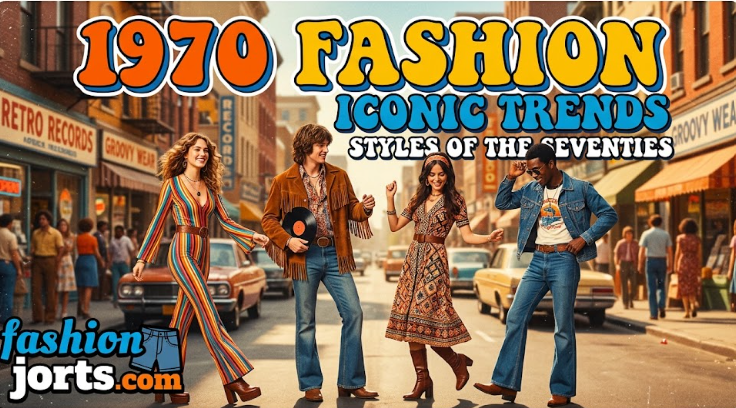
The 1970s changed the way people thought about clothing. Fashion was no longer about following one strict trend or copying a single look. Instead, it became a form of personal expression, allowing people to mix colors, fabrics, and styles that reflected their personality, music taste, and lifestyle. From relaxed bohemian outfits to glamorous disco clothing, 1970 fashion offered something for everyone. The decade introduced some of the most recognizable pieces in fashion history, including bell-bottom jeans, platform shoes, jumpsuits, suede jackets, and bold printed shirts. Many of these styles continue to influence modern clothing today.
Why 1970 Fashion Became So Different
The fashion of the seventies grew from major cultural changes. Young people wanted more freedom, and clothing became a way to challenge traditional ideas about appearance and identity. The decade followed the experimental spirit of the late 1960s but moved in many new directions. Some people preferred natural fabrics and handmade designs inspired by the hippie movement, while others chose glamorous outfits influenced by nightlife and music. Unlike previous decades where fashion often followed a single dominant style, the 1970s encouraged people to create their own combinations. A person could wear vintage-inspired clothing, casual denim, or a dramatic evening outfit and still represent the spirit of the era.
The Rise of Bell Bottoms and Flared Jeans
Bell-bottom jeans became the defining clothing item of the 1970s. Their fitted shape around the thighs and wide flare below the knees created a distinctive silhouette that immediately represented seventies style. Both men and women wore flared jeans with different outfits. Some paired them with simple T-shirts and denim jackets, while others combined them with colorful shirts, platform shoes, and wide belts. Jeans also became more fashionable during this period. Denim moved beyond workwear and became part of everyday style, with embroidered designs, customized details, and different washes becoming popular.
Bohemian Style and the Influence of Nature
One of the strongest fashion movements of the early seventies was the bohemian look. Inspired by the hippie culture of the previous decade, this style focused on comfort, creativity, and individuality. Women often wore flowing maxi dresses, loose blouses, long skirts, and handmade accessories. Men and women both embraced suede jackets, leather details, natural colors, and artistic patterns. Floral prints, paisley designs, crochet clothing, and fringe became common features of bohemian wardrobes. The style represented a more relaxed approach to fashion, where comfort and personal creativity mattered as much as appearance.
Disco Fashion Brings Glamour to the 1970s
The late 1970s introduced a completely different side of fashion through disco culture. Nightclubs became places where people showed confidence through bold and eye-catching clothing. Disco outfits were designed to stand out. Shiny fabrics, sequins, jumpsuits, metallic colors, and fitted silhouettes became popular choices for parties and dance floors. Platform shoes were especially connected with disco fashion. They added height and became a statement piece when combined with wide trousers, colorful outfits, and dramatic accessories.
Women’s Fashion Trends of the Seventies
Women’s fashion in the 1970s became more flexible and practical. Traditional dresses remained popular, but many women also embraced trousers, suits, and clothing that offered greater freedom of movement.
Popular styles included:
- Wrap dresses
- Wide-leg trousers
- Pantsuits
- Maxi dresses
- Jumpsuits
- Knit sweaters
- Midi skirts
The wrap dress became one of the decade’s most memorable designs, offering a balance between comfort and elegance. Fashion also reflected changing attitudes, with many women choosing outfits that matched their professional and personal lives.
Men’s Fashion and the New Seventies Look
Men’s clothing became more expressive during the 1970s. The simple and conservative styles of earlier years were replaced with brighter colors, unusual patterns, and relaxed tailoring. Wide-collar shirts, flared trousers, leather jackets, and colorful suits became popular. Many men experimented with longer hairstyles, facial hair, and accessories that added personality to their appearance. Music had a major influence on men’s fashion. Rock musicians, disco performers, and television personalities helped introduce new styles that quickly became popular with the public.
Fabrics, Colors, and Patterns That Defined the Era
The 1970s were known for strong colors and interesting textures. Designers and everyday shoppers experimented with different materials, creating outfits that felt bold and memorable.
Common fabrics included:
- Denim
- Suede
- Velvet
- Leather
- Polyester
- Crochet materials
Popular colors included warm shades such as brown, orange, mustard yellow, and olive green. Earth tones were common in casual clothing, while disco fashion introduced brighter colors and metallic finishes. Patterns were also important during the decade. Floral prints, geometric designs, stripes, and paisley patterns appeared on everything from shirts to dresses.
Hairstyles and Accessories of 1970 Fashion
Hair and accessories completed the overall seventies appearance. Hairstyles became more relaxed, natural, and expressive. Popular hairstyles included layered cuts, shag hairstyles, long waves, afros, and feathered styles. The famous feathered haircut associated with Farrah Fawcett became one of the most recognizable beauty trends of the decade. Accessories were often bold rather than simple. Large sunglasses, wide belts, scarves, statement jewelry, and platform shoes helped create complete seventies-inspired outfits.
Punk Fashion Challenges the Mainstream
While disco represented glamour and celebration, punk fashion represented rebellion. Emerging in the late 1970s, punk style rejected polished mainstream clothing and focused on individuality. Leather jackets, ripped jeans, band shirts, boots, and customized clothing became symbols of the movement. Punk fashion showed that clothing could express opinions, attitudes, and personal identity.
Why 1970 Fashion Still Inspires Today
The reason seventies fashion continues to return is its focus on creativity. Modern designers often revisit bell bottoms, platform shoes, denim styles, and bohemian influences because these pieces offer a strong visual identity. Today, people often combine vintage seventies elements with modern clothing instead of copying the decade completely. A pair of flared jeans, a suede jacket, or a printed shirt can add a retro touch without looking outdated. The lasting appeal of 1970 fashion comes from its main idea: clothing should reflect who you are.
Conclusion
1970 fashion represented a period when clothing became a stronger form of self-expression. The decade brought together many different styles, from relaxed bohemian outfits to glamorous disco looks and rebellious punk clothing. Its influence remains visible because the best seventies trends were not only about appearance. They represented confidence, creativity, and the freedom to dress in a way that feels personal. Whether through vintage pieces or modern interpretations, the spirit of 1970 fashion continues to inspire new generations of style lovers.