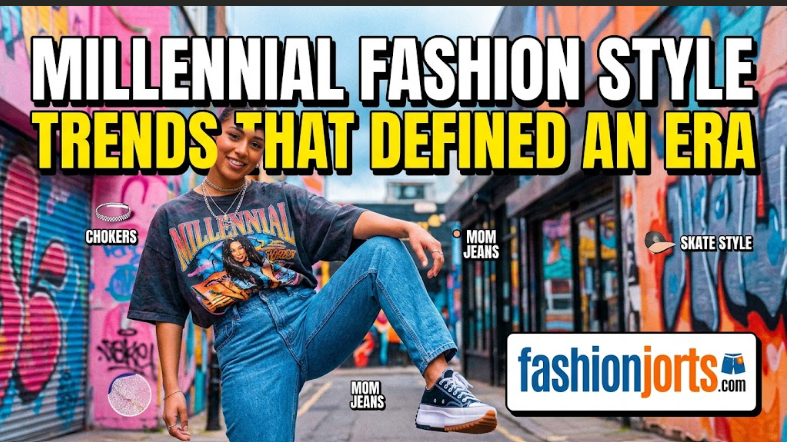
Millennial fashion represents a unique period in style history when clothing became more personal, practical, and connected to everyday life. This generation grew up during a time when fashion moved from magazines and shopping malls into online spaces, where trends spread through blogs, social platforms, and digital communities. The millennial approach to fashion was not only about following trends. It was about creating outfits that could fit different parts of life, from office meetings and weekend plans to travel and casual gatherings. Many styles from this era continue to influence modern wardrobes because they focused on comfort, versatility, and individual expression.
What Is Millennial Fashion?
Millennial fashion refers to the clothing trends and style choices commonly associated with people born between the early 1980s and mid-1990s. The era is mainly connected with fashion from the late 2000s and 2010s, when millennials became major consumers and influenced popular culture. This period introduced a balance between dressed-up and relaxed clothing. People wanted outfits that looked polished but did not feel restrictive. A blazer could be worn with jeans, sneakers could replace formal shoes, and casual pieces could become suitable for different occasions. Unlike earlier fashion movements that often followed strict rules, millennial style encouraged mixing different influences. A person could combine vintage pieces, modern basics, and affordable fashion to create a personal look.
How Millennial Fashion Developed
The early years of millennial fashion carried influences from the late 1990s and early 2000s. Denim, casual tops, layered clothing, and celebrity-inspired outfits were common during this period. As the internet became a major part of daily life, fashion discovery changed. Blogs, online stores, Pinterest boards, and social media accounts allowed people to find new outfit ideas instantly. Instead of only looking at runway collections, many people followed everyday fashion creators and adapted their looks. This shift made fashion feel more accessible. People were no longer only consumers of trends; they became participants who shared their own style choices.
The Rise of Skinny Jeans
Skinny jeans became one of the strongest symbols of millennial style. Their popularity grew because they offered a fitted appearance while working well with many different outfits.
They were commonly paired with:
- Oversized sweaters
- Casual shirts
- Leather jackets
- Blazers
- Boots
- Sneakers
For many millennials, skinny jeans were a reliable wardrobe essential. They worked for casual days, workplace outfits, and evening plans without requiring major changes. Although wider-leg denim has become more popular in recent years, skinny jeans remain closely connected with millennial fashion and continue to appear in updated collections.
The Popularity of Comfortable Style
Comfort became one of the defining ideas behind millennial fashion. As lifestyles became busier, people started choosing clothing that could support different activities throughout the day. Athleisure became a major example of this change. Leggings, hoodies, sneakers, and sporty clothing moved beyond gyms and became part of everyday outfits. This style reflected a practical mindset. People wanted clothing that allowed movement while still looking stylish. The popularity of comfortable fashion also changed expectations across the industry, influencing how brands designed everyday clothing.
Minimalism and Neutral Colors
Many millennials preferred simple outfits with clean designs. Instead of wearing heavily decorated pieces, they often focused on basics that could be styled in multiple ways.
Neutral colors became especially popular, including:
- Black
- White
- Beige
- Gray
- Soft pastel shades
A simple wardrobe with quality basics allowed people to create many different outfits without owning excessive amounts of clothing. This minimalist approach also connected with the idea of buying fewer pieces that could last longer and work across different seasons.
The Influence of Accessories
Accessories helped define many millennial outfits. They allowed people to add personality to simple clothing choices. Ankle boots became a popular footwear option because they worked with jeans, dresses, and skirts. They offered a balance between casual comfort and a more polished appearance. Large scarves were another recognizable trend. They added texture and warmth while becoming a simple way to change the look of an outfit. Statement necklaces were especially popular during the early 2010s. A bold necklace could transform a basic shirt or dress into a more styled look.
Millennial Fashion for Women
Women’s millennial fashion often focused on creating outfits that were comfortable but still put together. Everyday combinations included jeans with boots, cardigans over simple tops, casual dresses, and layered jackets. Workwear also changed during this period. Many women moved toward smart casual clothing, combining professional pieces with relaxed elements. Blazers with denim, flats instead of formal heels, and simple accessories became common choices. The focus was on creating a wardrobe that could adapt to different situations rather than separating every type of clothing.
Millennial Fashion for Men
Men’s millennial fashion moved toward a relaxed version of traditional style. The goal was often to appear well-dressed without looking overly formal.
Popular choices included:
- Slim jeans
- Chinos
- Casual button-down shirts
- Denim jackets
- Clean sneakers
- Simple watches
Layering also became an important part of men’s style. Combining shirts, jackets, and sweaters allowed people to create outfits with more depth while maintaining a casual feel.
Why Millennial Fashion Is Returning
Fashion often revisits previous decades, and many millennial trends are gaining attention again. However, the comeback is not about copying old outfits exactly. Modern styling usually combines familiar millennial pieces with newer ideas. For example, classic denim can be paired with updated footwear, or a minimalist outfit can be refreshed with current accessories. The reason these trends continue to attract attention is their practicality. Many millennial styles were designed around real daily needs, making them easy to adapt.
How to Wear Millennial Fashion Today
The best way to bring millennial style into a modern wardrobe is to focus on the elements that still feel useful. A person does not need to recreate a complete 2010s outfit. Instead, they can choose timeless pieces such as a good pair of jeans, a classic jacket, comfortable shoes, or simple accessories. Mixing older influences with current trends creates a balanced look that feels personal rather than outdated.
Common Mistakes When Trying Millennial Fashion
One common mistake is wearing too many nostalgic pieces together. A full head-to-toe recreation of an older trend can sometimes feel more like a costume than everyday fashion. Another mistake is ignoring personal comfort. The strongest part of millennial fashion was its connection to real lifestyles. Clothing should fit the person wearing it, not only the trend being followed. The best approach is selecting individual elements that match your personality and daily routine.
Conclusion
Millennial fashion changed the way people viewed everyday clothing. It moved fashion toward comfort, flexibility, and personal styling while embracing the influence of digital culture. Many trends from this era remain relevant because they were created for real life. They were easy to wear, easy to combine, and adaptable to different situations. The future of fashion will continue to change, but the ideas behind millennial style — comfort, simplicity, and self-expression — are likely to remain important for years to come.