Fashion is a reflection of personality, culture, lifestyle, and creativity. The clothes people choose can show their mood, profession, interests, and even the communities they connect with. While trends come and go, different types of fashion styles continue to influence how people dress and express themselves. Understanding fashion styles helps you identify what suits your personality and build a wardrobe that feels natural. Some people prefer simple and timeless outfits, while others enjoy bold designs, experimental looks, or clothing inspired by different eras. Fashion is not about following one strict formula; it is about finding combinations that represent who you are.
What Are the Different Types of Fashion?
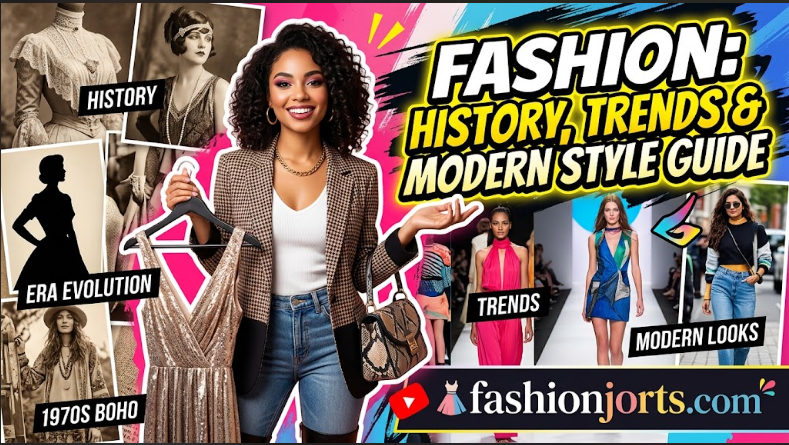
Fashion styles are categories that describe the overall look, feeling, and purpose behind clothing choices. These styles are shaped by history, music, art, social movements, and changing lifestyles. Some styles focus on comfort and practicality, while others highlight elegance, creativity, or cultural identity. Many modern wardrobes include a mix of different influences rather than following only one style.
Casual Fashion: Comfortable Everyday Style
Casual fashion is one of the most widely worn styles because it combines comfort with a relaxed appearance. It is designed for daily activities such as shopping, traveling, meeting friends, or spending time outdoors. Typical casual clothing includes jeans, T-shirts, sneakers, sweaters, hoodies, and simple jackets. The focus is on easy-to-wear pieces that allow freedom of movement while still creating a stylish appearance. Modern casual fashion often includes personal touches through colors, accessories, and layering. A simple outfit can look completely different depending on how it is styled.
Classic Fashion: Timeless and Elegant Clothing
Classic fashion is based on pieces that remain stylish over many years. Instead of depending on temporary trends, this style focuses on clean designs, quality materials, and balanced colors. Common classic pieces include tailored trousers, white shirts, blazers, trench coats, and simple dresses. These items are popular because they can be worn in different settings and combined with many outfits. People who prefer classic fashion often choose clothing that looks polished without being overly complicated. The style creates a neat and confident appearance.
Streetwear Fashion: Urban-Inspired Style
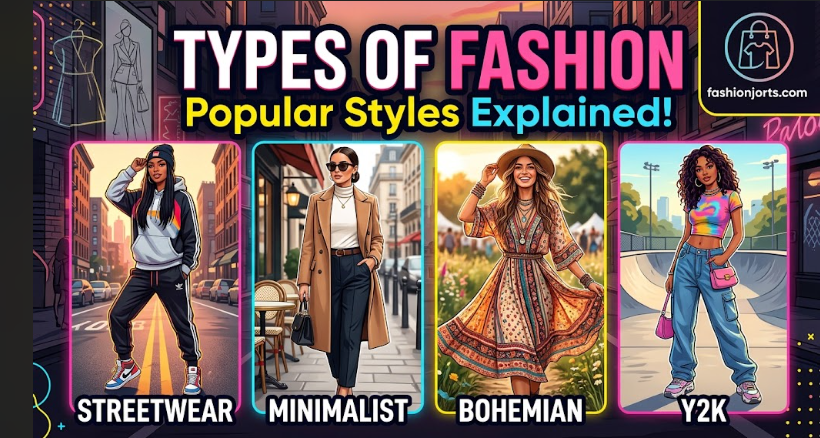
Streetwear developed from urban culture, music, sports, and youth movements. It became especially influential through hip-hop, skateboarding, and sneaker culture. This style often includes oversized hoodies, graphic shirts, sneakers, cargo pants, and statement jackets. Streetwear allows people to express individuality through bold designs and unique combinations. Today, streetwear is not limited to casual clothing. Many luxury fashion brands have incorporated streetwear influences into their collections, making it one of the most recognized modern styles.
Minimalist Fashion: Simple and Purposeful Looks
Minimalist fashion focuses on simplicity, clean lines, and carefully selected clothing. Instead of having a large wardrobe filled with many trends, minimalist style emphasizes fewer pieces that work well together. Neutral colors, simple shapes, and high-quality basics are common features of this style. Popular items include plain shirts, straight-leg trousers, simple coats, and versatile footwear. Minimalist fashion appeals to people who prefer an organized wardrobe and a more effortless approach to dressing.
Vintage Fashion: Inspiration From Past Eras
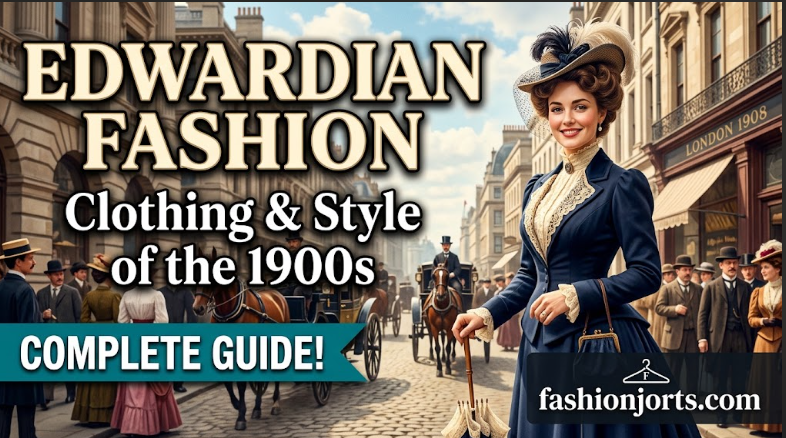
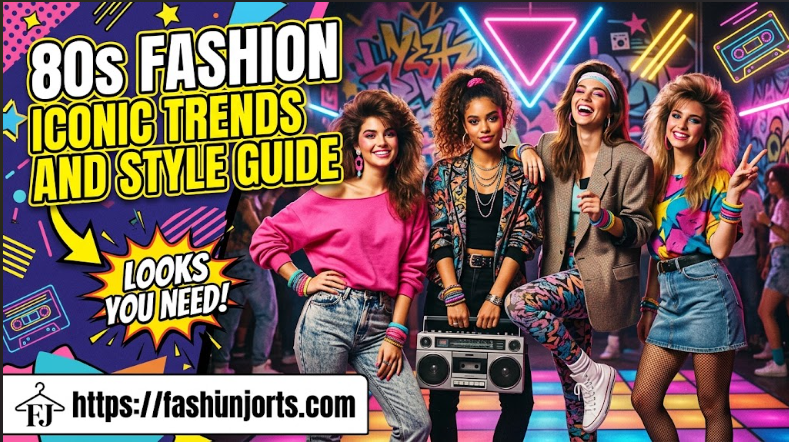
Vintage fashion brings ideas from previous decades into modern clothing. It can include authentic older garments or new designs inspired by historical styles. Different eras have created memorable fashion movements, from the elegant silhouettes of the 1950s to the relaxed looks of the 1990s. Vintage lovers often appreciate unique designs, older craftsmanship, and styles that feel different from current trends. Many people combine vintage pieces with modern clothing to create a balanced and personal look.
Bohemian Fashion: Creative and Free-Spirited Style
Bohemian fashion, often called boho fashion, is known for its relaxed and artistic appearance. It draws inspiration from nature, travel, handmade crafts, and creative lifestyles. Common features include flowing dresses, natural fabrics, embroidery, layered jewelry, and earthy colors. The style focuses on comfort while allowing room for creativity. Boho fashion is popular among people who enjoy expressive outfits with a relaxed and artistic feeling.
Formal Fashion: Clothing for Special Events
Formal fashion is designed for occasions that require a more polished appearance. It is commonly worn at weddings, ceremonies, professional events, and celebrations. Examples include evening gowns, formal suits, dress shirts, tuxedos, and elegant accessories. Formal clothing often focuses on fit, fabric quality, and refined details. Although trends change, the purpose remains the same: creating a sophisticated look suitable for important moments.
Business Casual Fashion: Professional With Comfort
Business casual fashion combines workplace professionalism with a more relaxed approach. It became popular as many workplaces moved away from strict formal dress requirements. Typical business casual clothing includes blazers, chinos, smart shirts, sweaters, loafers, and modest dresses. The main idea is creating an outfit that looks professional without feeling too formal or uncomfortable.
Athleisure Fashion: Activewear Beyond the Gym
Athleisure blends athletic clothing with everyday fashion. It became popular because people wanted comfortable clothing that could be worn during exercise and daily activities. Common athleisure pieces include leggings, joggers, sneakers, sweatshirts, and sports jackets. This style shows how modern fashion has become more focused on comfort while still maintaining a stylish appearance.
Preppy Fashion: Clean and Polished Style
Preppy fashion is inspired by traditional school and college clothing. It is known for a neat, organized, and slightly formal appearance. Popular pieces include polo shirts, sweaters, cardigans, loafers, blazers, and pleated skirts. Although it has traditional roots, modern preppy fashion often mixes with casual elements to create a fresher look.
Punk Fashion: Bold and Rebellious Clothing
Punk fashion developed alongside punk music culture and represents individuality and resistance against traditional fashion rules. Leather jackets, ripped jeans, boots, band shirts, and bold accessories are common elements of this style. Punk fashion is not only about appearance; it represents a strong attitude and personal expression.
Gothic Fashion: Dark and Dramatic Style
Gothic fashion is recognized for its dark color palette and dramatic appearance. It often combines historical influences with alternative fashion. Typical gothic clothing includes black outfits, lace details, leather pieces, boots, and statement accessories. This style allows people to create a mysterious and artistic appearance.
Y2K Fashion: Early 2000s Inspired Trends
Y2K fashion takes inspiration from the late 1990s and early 2000s. It has gained popularity again through social media and nostalgia for earlier trends. Common elements include low-rise jeans, crop tops, colorful accessories, shiny fabrics, and playful designs. The style reflects the bold and experimental attitude of early digital-era fashion.
Luxury Fashion: High-End Designer Style
Luxury fashion focuses on premium materials, craftsmanship, and exclusive designs. It includes designer clothing, expensive accessories, and carefully created collections. Luxury fashion often influences wider clothing trends because designers introduce new ideas that later become popular in mainstream fashion.
Avant-Garde Fashion: Artistic and Experimental Clothing
Avant-garde fashion challenges traditional ideas about clothing. Designers in this category often experiment with unusual shapes, materials, and creative concepts. This style is commonly seen in fashion shows, editorial photography, and artistic collections. It is less about everyday wear and more about exploring fashion as a form of creative expression.
Traditional and Cultural Fashion
Traditional fashion represents the history and identity of different communities around the world. Clothing styles often reflect local materials, customs, beliefs, and craftsmanship. Examples include sarees, kimonos, hanbok, African traditional clothing, and many other cultural garments. These styles continue to influence modern designers while preserving important cultural connections.
How to Choose Your Fashion Style
Finding your personal style takes time and experimentation. Start by paying attention to the colors, shapes, and outfits that make you feel comfortable and confident. You do not need to follow one category completely. Many people create their own style by combining different influences, such as classic clothing with streetwear accessories or vintage pieces with modern basics. The best fashion choices are those that fit your lifestyle and make you feel like yourself.
Conclusion
Fashion gives people a way to express themselves through clothing, colors, and personal choices. From relaxed casual outfits to artistic avant-garde designs, every style offers a different way to communicate identity. There is no single fashion style that works for everyone. The most meaningful wardrobes are created by understanding different styles and choosing the elements that feel authentic. Exploring different types of fashion is not about changing who you are. It is about discovering new ways to present yourself with confidence and creativity.