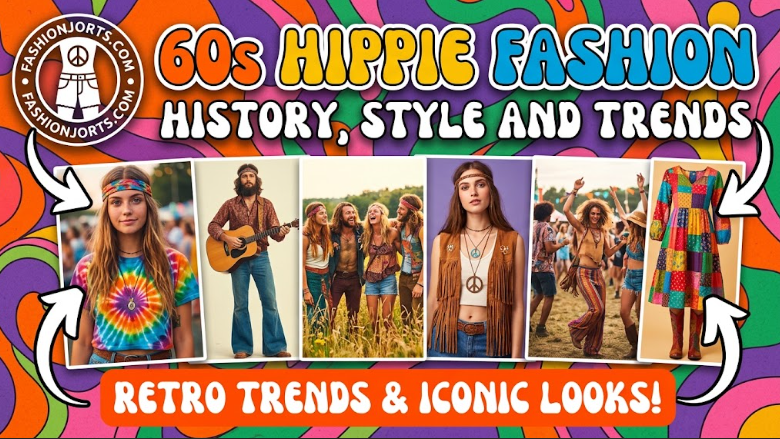
The 1960s changed the way people viewed fashion. Instead of following strict rules about what to wear, many young people began using clothing as a form of personal expression. 60s hippie fashion became one of the strongest symbols of this cultural shift, representing freedom, creativity, peace, and a desire to live differently from previous generations. Hippie style was not created by major fashion houses or luxury designers. It grew from everyday people who mixed vintage clothing, handmade pieces, cultural influences, and artistic ideas to create unique outfits. From colorful tie-dye shirts to flowing dresses and flared jeans, every piece reflected a relaxed approach to life and fashion. Today, the influence of this era can still be seen in bohemian clothing, festival outfits, sustainable fashion, and vintage-inspired trends. The appeal of hippie style comes from its focus on authenticity rather than perfection.
The Rise of Hippie Fashion in the 1960s
Hippie fashion developed during a period of major social and cultural change. During the mid-to-late 1960s, many young people questioned traditional ideas about politics, society, and consumer culture. Clothing became a way to show independence and create a visual identity that was different from the mainstream. The movement became especially visible in places like San Francisco’s Haight-Ashbury neighborhood, where young artists, musicians, and activists gathered. The Summer of Love in 1967 brought worldwide attention to the movement, while events like the Woodstock festival in 1969 helped spread hippie-inspired clothing to a larger audience. Unlike earlier styles that focused on looking polished and carefully coordinated, hippie fashion encouraged mixing different influences. People combined thrifted clothing, handmade designs, and pieces inspired by global cultures to create outfits that felt personal.
The Main Characteristics of 60s Hippie Fashion
Natural Fabrics and Relaxed Clothing
Comfort was one of the most important parts of hippie style. Many people moved away from stiff, formal clothing and chose loose garments that allowed easier movement. Cotton, denim, suede, leather, and wool were commonly used materials. These fabrics created a natural appearance that matched the movement’s connection with simplicity and the outdoors. Loose shirts, long skirts, flowing dresses, and relaxed trousers became popular choices for both men and women. The goal was not to look perfectly styled but to create an outfit that reflected personality.
Bell-Bottom Jeans Became a Fashion Symbol
Bell-bottom jeans were one of the most recognizable pieces of 1960s counterculture fashion. These pants were fitted around the upper legs and widened below the knees, creating a distinctive flared shape. Many people customized their jeans by adding patches, embroidery, painted designs, or extra fabric. This made each pair unique and reflected the handmade spirit of the hippie movement. Although bell-bottoms became even more famous during the 1970s, their popularity began growing among young people in the late 1960s.
Tie-Dye and Colorful Patterns
Tie-dye became closely connected with hippie clothing because it represented creativity and individuality. Since the process involved creating patterns by hand, every piece looked different. Tie-dye shirts, scarves, dresses, and jackets often featured bright combinations of colors. These designs reflected the artistic side of the movement and rejected the idea of identical mass-produced clothing. Along with tie-dye, hippie fashion often included floral prints, paisley patterns, and psychedelic designs. These bold visuals helped create the unforgettable appearance associated with the era.
Bohemian Dresses and Flowing Silhouettes
Women’s hippie fashion often focused on comfortable and artistic clothing. Long dresses, peasant blouses, embroidered tops, and maxi skirts became popular choices. Many designs borrowed elements from traditional clothing around the world, including Indian-inspired patterns, handmade embroidery, and folk-style details. These influences created a bohemian look that felt creative and unconventional. The relaxed shape of these garments also represented a move away from restrictive fashion expectations.
Fringe, Suede, and Handmade Details
Fringe jackets and suede vests became popular additions to hippie wardrobes. These pieces added texture and movement while creating a connection with folk and nature-inspired styles. Handmade details were another important feature. Many people decorated their clothing with beads, stitching, patches, and painted artwork. Creating or customizing clothing became part of the fashion experience itself. This approach made hippie fashion different from trends that depended mainly on buying new designer clothing.
Accessories That Defined the Hippie Look
Accessories helped complete the typical hippie appearance. Many were simple, handmade, and connected to nature.
Popular choices included:
- Beaded necklaces and bracelets
- Flower crowns
- Headbands
- Peace symbol jewelry
- Round sunglasses
- Leather belts
- Handmade bags
Flowers became one of the strongest symbols of the movement. Wearing flowers represented peace, love, and a connection with nature.
Men’s Hippie Fashion in the 1960s
Hippie fashion also changed men’s clothing by encouraging more freedom and experimentation. Men began moving away from traditional suits and conservative styles toward more expressive outfits.
Common men’s hippie looks included:
- Flared jeans
- Colorful shirts
- Military jackets
- Leather vests
- Ponchos
- Sandals
- Scarves and headbands
Long hair, unique accessories, and bold clothing choices became part of the overall style. Musicians played a major role in spreading these trends, with performers using fashion as part of their artistic identity.
The Connection Between Music and Hippie Style
Music was central to the hippie movement, and fashion followed the same creative direction. Rock, folk, and psychedelic music scenes created spaces where people could experiment with their appearance. Concerts and festivals became places where people displayed handmade clothing, colorful outfits, and unusual combinations. The connection between music and fashion helped make hippie style visible around the world. Woodstock became one of the most famous examples of this connection. Images from the festival captured the relaxed, creative clothing choices that defined the era.
Why 60s Hippie Fashion Still Matters Today
The influence of hippie fashion has never completely disappeared. Modern clothing continues to borrow ideas from this era, including bohemian dresses, embroidered designs, crochet pieces, flared jeans, and vintage accessories. Many people are also drawn to hippie-inspired fashion because it supports ideas that feel relevant today, such as creativity, individuality, and interest in handmade or secondhand clothing. Modern festival fashion often combines these classic elements with contemporary styles, showing how adaptable the original hippie aesthetic remains.
Conclusion
60s hippie fashion changed the way people thought about clothing. It showed that fashion could represent ideas, emotions, and personal identity instead of simply following trends. The movement introduced a more relaxed and creative approach to dressing through handmade pieces, natural fabrics, bold patterns, and unique combinations. Its influence continues because the focus on individuality remains meaningful for many people today. Whether through vintage clothing, festival style, or modern bohemian looks, the spirit of 60s hippie fashion continues to inspire people who want their clothing to feel personal and expressive.