Beatnik fashion was never created as a traditional trend. It developed from a cultural movement that valued creativity, individuality, and freedom of thought. Emerging during the 1950s, the style became connected with writers, poets, musicians, and artists who rejected the polished appearance and consumer-focused culture of the post-war era. The look is often remembered through black turtlenecks, berets, dark sunglasses, and simple outfits, but the real story goes deeper. Beatnik fashion represented an attitude: choosing personal expression over following social expectations. Today, the style continues to inspire people who appreciate vintage clothing, minimalist design, and artistic influences.
What Is Beatnik Fashion?
Beatnik fashion describes the clothing style associated with the Beat Generation, a group of American writers and artists who became influential during the 1950s. The movement was centered around creativity, poetry, jazz, and questioning traditional ideas about success and lifestyle. Unlike mainstream fashion of the time, which often emphasized carefully structured outfits and formal appearances, Beatnik style focused on simplicity. Clothing was usually practical, comfortable, and understated.
The style became recognizable through:
- Dark and neutral colors
- Simple silhouettes
- Comfortable fabrics
- Artistic accessories
- Minimal decoration
Rather than dressing to impress others, Beatnik fashion focused on creating a personal identity.
The Origins of Beatnik Style in the 1950s
The roots of Beatnik fashion can be traced to artistic communities in places like Greenwich Village in New York City and North Beach in San Francisco. These neighborhoods became gathering places for writers, musicians, and creative people who challenged traditional lifestyles. Jazz culture had a major influence on the movement. Musicians often wore relaxed, practical clothing, and this connected with the artistic atmosphere surrounding Beat writers and performers. The style developed naturally from the lives of creative people. Many individuals were not trying to create a fashion statement; they simply preferred clothing that matched their lifestyle and beliefs.
The Main Characteristics of Beatnik Fashion
The Importance of Black Clothing
Black became one of the strongest symbols of Beatnik style. Dark clothing created a simple, serious appearance and allowed people to focus more on ideas and creativity rather than appearance. Black sweaters, trousers, dresses, and coats became common choices. The color also gave outfits a sophisticated look without requiring expensive pieces or complicated styling. The popularity of black clothing helped establish the minimalist approach that later influenced many fashion movements.
The Classic Turtleneck Sweater
The black turtleneck remains one of the most recognizable Beatnik fashion pieces. Its simple shape made it practical while giving the wearer an intellectual and artistic appearance. Both men and women paired turtlenecks with trousers, skirts, jackets, and simple shoes. The garment became connected with writers, musicians, and creative professionals. Even today, a black turtleneck is often used to create a vintage-inspired minimalist outfit.
Berets and Artistic Accessories
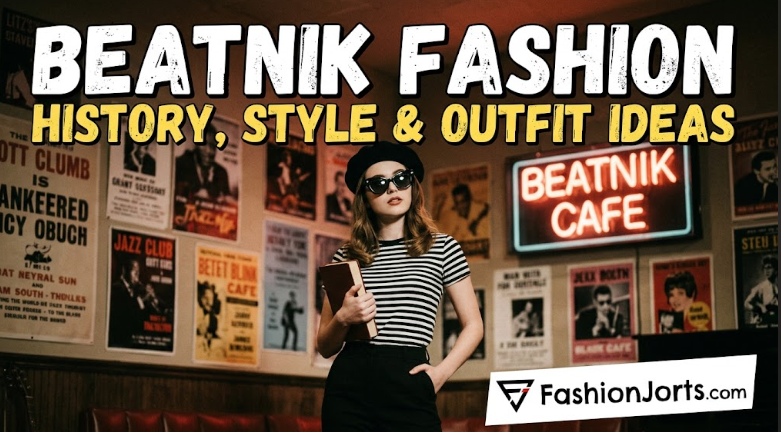
The beret became strongly linked with Beatnik style because of its connection to artists and European creative culture. Although not every person in the Beat movement wore one, popular images helped make it a recognizable symbol. Other accessories included dark glasses, scarves, simple jewelry, and classic watches. The goal was not excessive decoration but adding small details that reflected personality.
Striped Shirts and Casual Pieces
Striped shirts became another popular element of Beatnik-inspired clothing. Simple black-and-white patterns added character while keeping the outfit clean and understated. These shirts were often combined with dark trousers, denim, or leather jackets for a relaxed artistic appearance.
Women’s Beatnik Fashion
Women’s Beatnik fashion offered an alternative to the glamorous and highly structured styles common during the 1950s. Instead of emphasizing formal dresses and elaborate styling, many women adopted simpler clothing choices.
Popular pieces included:
- Black dresses
- Slim trousers
- Capri pants
- Ballet flats
- Turtleneck sweaters
- Simple skirts
The style created a modern image of confidence and independence. It allowed women to express personality through clothing rather than following traditional fashion expectations.
Men’s Beatnik Fashion
Men’s Beatnik style was influenced by writers, musicians, and artists who preferred practical clothing with a creative edge.
Common pieces included:
- Dark sweaters
- Button-up shirts
- Straight-leg trousers
- Jeans
- Leather jackets
- Glasses
- Simple footwear
The look moved away from the typical businessman image of the 1950s and created a more relaxed artistic appearance.
Beatnik Fashion and Jazz Influence
Jazz culture was closely connected with Beatnik style. Jazz musicians represented creativity, improvisation, and independence, which matched the values of the Beat movement. Jazz clubs became important spaces where artists, writers, and musicians interacted. The clothing worn in these environments reflected the atmosphere: relaxed, expressive, and different from mainstream society. This connection between music and fashion helped give Beatnik style its unique identity.
Beatnik Fashion Compared With Hippie Style
Beatnik and hippie fashion are sometimes confused because both came from alternative cultural movements. However, they developed during different periods and had different appearances. Beatnik fashion was mainly associated with the 1950s and early 1960s. It focused on dark colors, simplicity, literature, and jazz culture. Hippie fashion became popular later during the 1960s and featured brighter colors, flowing fabrics, handmade clothing, and nature-inspired designs. Beatnik style was more urban and minimalist, while hippie fashion was more colorful and experimental.
How to Wear Beatnik Fashion Today
Modern Beatnik fashion does not require copying a complete vintage outfit. The style works best when adapted to everyday clothing. A simple modern look can include a black turtleneck, straight trousers, leather shoes, and a small accessory such as a beret or sunglasses. For a casual version, a striped shirt with dark jeans and boots creates a relaxed interpretation of the style. The focus should remain on simplicity, comfort, and personal expression.
Why Beatnik Fashion Remains Popular
Beatnik fashion continues to attract attention because it represents more than a historical style. Its focus on individuality and simplicity still connects with people today. Many modern wardrobes include elements that reflect Beatnik influences, such as monochrome outfits, clean lines, and minimalist accessories. The lasting appeal comes from the idea behind the clothing. Beatnik style reminds people that fashion can communicate personality, creativity, and independence without being excessive..
Conclusion
Beatnik fashion remains one of the most recognizable examples of clothing influenced by culture and creativity. It developed from a movement that valued ideas, artistic freedom, and personal identity. Although the original Beat Generation existed decades ago, the style continues to influence modern fashion through its minimalist approach and timeless pieces. A Beatnik-inspired outfit does not need to look like a costume from the past. Its strongest element is the same idea that shaped it originally: wearing clothing that reflects who you are.