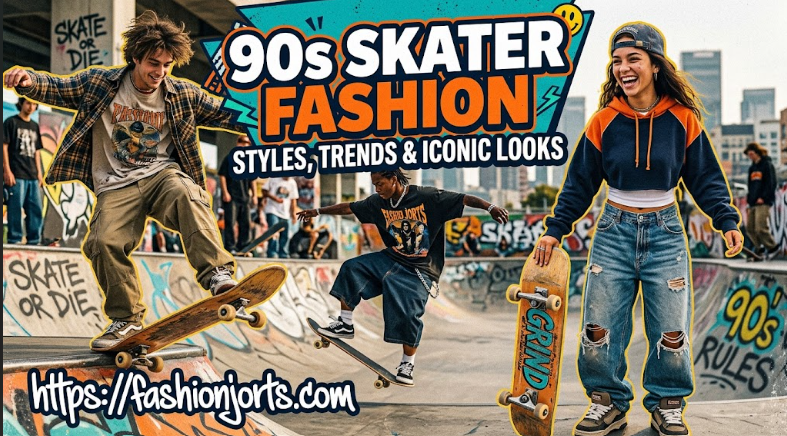
The 90s skater fashion movement was never about following strict fashion rules. It came from real skate communities where clothing had to be comfortable, durable, and practical. Skateboarders spent their days riding streets, practicing tricks, and creating their own identity, and their clothing naturally reflected that lifestyle. The style became known for oversized shirts, loose jeans, skate shoes, hoodies, and casual layers. What started as a small subculture eventually influenced streetwear, music, and mainstream fashion. Even decades later, the relaxed attitude and effortless look of 90s skate style continue to inspire new generations.
The Origins of 90s Skater Style
The 1990s were a defining period for skateboarding. Skate culture expanded beyond traditional skate parks and became closely connected with street environments, independent music, and youth communities. During this era, skateboarders developed a unique approach to clothing. They were not interested in expensive outfits or carefully planned looks. Instead, they chose pieces that allowed movement and could handle everyday wear. The style also reflected the attitude of the time. Many young people were influenced by punk, alternative rock, and underground scenes, which encouraged individuality rather than fitting into traditional fashion trends.
Why 90s Skater Fashion Became Popular
One reason this style became popular was its practicality. Skateboarding requires constant movement, so clothing needed to feel comfortable and allow flexibility. Loose clothing also represented the mindset of the skate community. The goal was not to look polished or perfect. A worn pair of jeans, an oversized shirt, and old skate shoes often carried more character than expensive clothing. Another reason was the connection between skateboarders, magazines, videos, and music culture. As skate videos and skate brands reached wider audiences, more people began adopting the style even if they were not skateboarders themselves.
The Clothing Pieces That Defined the Era
Oversized T-Shirts and Skate Graphics
Large graphic T-shirts became one of the strongest symbols of 90s skate fashion. Many featured bold artwork, skate company logos, creative illustrations, or references to music and youth culture. The oversized fit was not only a style choice. It gave skateboarders freedom to move while riding and created the relaxed shape that became associated with the decade. Today, vintage-inspired graphic tees remain one of the easiest ways to bring a 90s skate influence into a modern outfit.
Baggy Jeans and Relaxed Pants
Loose-fitting jeans were a major part of the classic skater look. Unlike slim styles that became popular later, 90s skaters preferred wider cuts that provided comfort and movement.
Common choices included:
- Wide-leg denim
- Carpenter pants
- Cargo trousers
- Faded jeans
- Ripped styles
The loose shape also became connected with the wider streetwear movement of the decade, where comfort and self-expression became more important than formal appearance.
Skate Shoes With a Purpose
Skate shoes were designed around performance, but they also became fashion statements. Thick soles, padded designs, and strong materials helped skateboarders handle the demands of skating. Brands connected with skateboarding created shoes that became recognizable both inside and outside the skate scene. Their designs influenced sneaker culture and helped establish the casual footwear trends that are still popular today. Classic skate shoes often featured simple colors, durable construction, and a larger shape compared with many modern sneakers.
Flannel Shirts and Layered Looks
Flannel shirts were another important part of the 90s skate aesthetic. They were affordable, comfortable, and easy to wear in different ways. Skaters often layered flannel shirts over graphic tees or tied them around the waist. The look connected skate culture with the broader alternative style of the decade. Layering became a key part of creating a relaxed outfit without making it appear too carefully planned.
Hoodies and Sweatshirts
Hoodies became everyday essentials for many skateboarders. They provided comfort during colder weather and matched the casual nature of skate culture. Oversized hoodies, simple sweatshirts, and logo designs were commonly worn with loose jeans and skate shoes. The combination created one of the most recognizable streetwear outfits of the 1990s.
Accessories That Completed the Look
Accessories in 90s skate fashion were usually simple and functional.
Popular choices included:
- Beanies
- Baseball caps
- Canvas backpacks
- Wallet chains
- Simple watches
These items were not used to create a flashy appearance. They were practical additions that naturally fit the lifestyle.
The Skate Brands That Influenced the Fashion
Several brands became closely connected with 90s skate culture.
Thrasher
Thrasher became one of the most recognizable names in skateboarding. Its magazine, graphics, and clothing helped shape the visual identity of skate culture.
Vans
Vans developed a strong relationship with skateboarders through its durable shoes and classic designs. The brand became one of the most recognizable names associated with skate style.
DC Shoes
DC Shoes became popular during the late 1990s with larger skate shoe designs that matched the decade’s preference for bold footwear.
Independent and Santa Cruz
Independent and Santa Cruz became important names within skateboarding through their equipment, graphics, and strong connection with skateboard communities.
90s Skater Fashion for Men
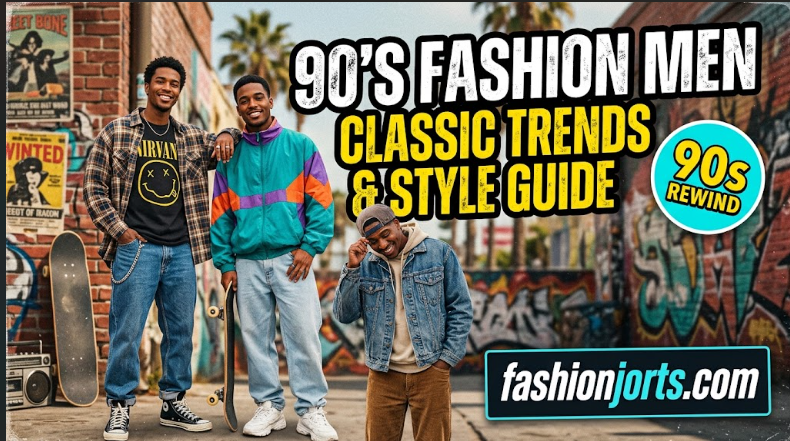
A traditional men’s skate outfit from the 1990s usually focused on comfort and loose proportions.
A typical combination included:
- Oversized T-shirt
- Baggy jeans
- Skate shoes
- Hoodie or flannel shirt
- Cap or beanie
The most important part was the relaxed fit. Clothing was meant to feel natural rather than carefully styled.
90s Skater Fashion for Women
Women in skate culture often adopted the same oversized and comfortable approach while adding their own personal style.
Popular outfits included:
- Loose jeans with fitted tops
- Oversized shirts
- Hoodies
- Skate sneakers
- Layered outfits
Many women skateboarders helped shape the culture by challenging traditional ideas about fashion and sports.
How to Create a Modern 90s Skate Outfit
The easiest way to recreate the style today is to focus on the main elements rather than copying every detail. Start with a relaxed pair of jeans, add a vintage-style graphic shirt, and finish with classic skate shoes. A hoodie, flannel shirt, or simple cap can complete the look. The key is balance. Wearing every 90s item at once can make an outfit feel like a costume. Mixing one or two vintage-inspired pieces with modern clothing usually creates a more natural appearance.
Why 90s Skater Fashion Still Matters
The lasting popularity of 90s skate fashion comes from its authenticity. It was created by people who valued creativity, independence, and comfort. Many modern streetwear trends borrow from this era because the style feels personal rather than manufactured. Oversized clothing, vintage graphics, and casual footwear continue to appear because they represent a relaxed way of dressing.
Conclusion
90s skater fashion represents a period when clothing was closely connected with lifestyle and creativity. The style developed naturally from skateboard communities instead of being created by fashion designers. Its oversized fits, durable pieces, and relaxed attitude continue to influence modern clothing because they offer something simple: comfort with personality. The best way to wear this style today is not to copy the past completely. Choose pieces that feel authentic, comfortable, and connected to your own style. That is the same attitude that made 90s skate fashion memorable in the first place.