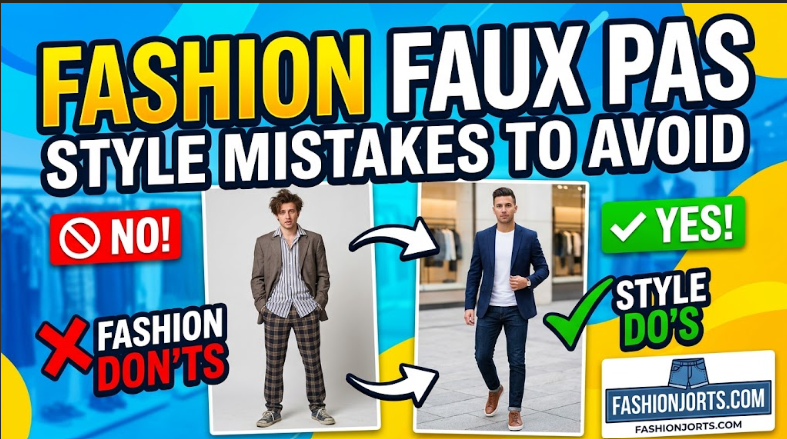
Fashion is a form of self-expression, but clothing choices also communicate something about how we understand a situation. A carefully chosen outfit can create confidence, while a mismatched look can send the wrong message. This is where the idea of a fashion faux pas comes into play. A fashion faux pas is not simply wearing something unusual or following a different style. Fashion has always changed, and many trends that were once criticized later became popular again. A real style mistake usually happens when an outfit feels disconnected from the occasion, does not fit properly, or lacks a clear sense of intention. Understanding common fashion mistakes does not mean following strict rules. It means learning how clothing choices work together, so you can create outfits that feel natural, comfortable, and appropriate.
What Is a Fashion Faux Pas?
The term fashion faux pas refers to a style mistake that attracts negative attention because it does not match expectations. It can involve clothing, accessories, grooming, or the way different pieces are combined. For example, wearing casual beachwear to a formal business event may appear inappropriate, while wearing a creative outfit to a fashion gathering may be completely acceptable. The same clothing item can create different impressions depending on where and how it is worn. Fashion mistakes are often connected to timing and context. A piece that looks outdated in one year can become fashionable again when designers and influencers reinterpret it.
Why Fashion Mistakes Happen
Many style mistakes happen because people focus on individual items instead of the complete outfit. A jacket, pair of shoes, or accessory may look great alone but fail when combined with other pieces. Another common reason is buying clothes based only on trends. Popular styles often look appealing online, but they may not match someone’s personality, body shape, daily routine, or existing wardrobe. Good style is less about owning the newest items and more about understanding what works for you.
Common Fashion Faux Pas to Avoid
Wearing Clothes That Do Not Fit Properly
Fit is one of the most important parts of an outfit. Even expensive clothing can look unpolished if the size or shape is wrong. Clothes that are too tight may appear uncomfortable, while oversized pieces without proper styling can make an outfit look unfinished. The goal is not always a tailored appearance. Relaxed and oversized fashion can look stylish when the proportions are balanced. Small changes, such as adjusting sleeve length or choosing the right trouser size, can completely improve how an outfit looks.
Ignoring the Occasion
Every event has its own atmosphere, and clothing choices should reflect that. A casual outfit may work perfectly for meeting friends but feel inappropriate at a formal ceremony. On the other hand, wearing an elaborate evening outfit for a simple daytime activity may create an unnecessary contrast. Understanding the setting helps you choose clothing that feels respectful without limiting your personality.
Following Every Trend Blindly
Trends can provide inspiration, but they should not replace personal style. A person does not need every viral fashion item to look stylish. Buying something only because it is popular often leads to clothing that stays unused after the trend disappears. A stronger approach is choosing trends that match your existing wardrobe. When a new style feels natural, it becomes part of your identity rather than just a temporary experiment.
Overcomplicating an Outfit
Sometimes less creates a stronger impression. Adding too many colors, patterns, accessories, or statement pieces can make an outfit feel confusing. Each item may look attractive individually, but together they can compete for attention. A balanced outfit usually has a clear focus. If a jacket is bold, simpler accessories may allow it to stand out. If the shoes are the main feature, the rest of the outfit can support them.
Wearing Damaged or Unmaintained Clothing
Clothing condition can change how an entire outfit is perceived. Wrinkled shirts, dirty shoes, loose threads, and worn-out items can make a look appear careless. This does not mean every item must be expensive or new. Clean, maintained clothing often creates a better impression than luxury pieces that are poorly cared for. Taking time to wash, repair, and store clothing properly is an important part of personal style.
Ignoring Personal Comfort
A stylish outfit should also work in real life. Wearing something uncomfortable can affect confidence and body language. Shoes that are difficult to walk in or clothing that restricts movement can make even an attractive outfit feel unnatural. Comfort does not mean choosing only basic clothing. It means finding pieces that allow you to feel confident while still expressing your style.
When Fashion Faux Pas Become Fashion Trends
Fashion has a habit of changing its own rules. Many styles that were once considered questionable later became popular. Vintage clothing, oversized silhouettes, unusual color combinations, and mixing casual pieces with formal wear have all moved through different stages of acceptance. This happens because fashion is influenced by culture, creativity, and changing ideas about appearance. A style mistake today may become tomorrow’s inspiration when presented in a new way.
How to Avoid Fashion Mistakes
Building better style habits does not require a complete wardrobe change. Start by understanding what fits your body, lifestyle, and personality. Before wearing an outfit, consider where you are going, whether the pieces work together, and whether you feel comfortable wearing them. A simple outfit with good fit and confidence often looks better than an expensive outfit without balance. It also helps to develop a wardrobe filled with versatile pieces. Classic items can provide a strong foundation, while trend-based pieces can add personality without overwhelming your style.
Fashion Faux Pas vs Personal Expression
Not every unusual choice is a mistake. Fashion has always included experimentation. Designers, artists, and everyday people often create memorable looks by challenging traditional expectations. The difference between a fashion faux pas and personal expression usually comes down to intention. A person who chooses a bold outfit because it represents their personality is expressing creativity. A person who ignores the situation completely may simply appear unprepared. Style works best when individuality and awareness exist together.
Conclusion
Fashion faux pas are not permanent mistakes written in stone. Style changes constantly, and many choices that once seemed unusual eventually become accepted or even celebrated. The most important part of dressing well is understanding yourself and the situation. Clothing should feel appropriate, comfortable, and connected to your personality. Instead of worrying about every fashion rule, focus on creating outfits that look intentional. Confidence, awareness, and personal taste will always remain the foundation of good style.