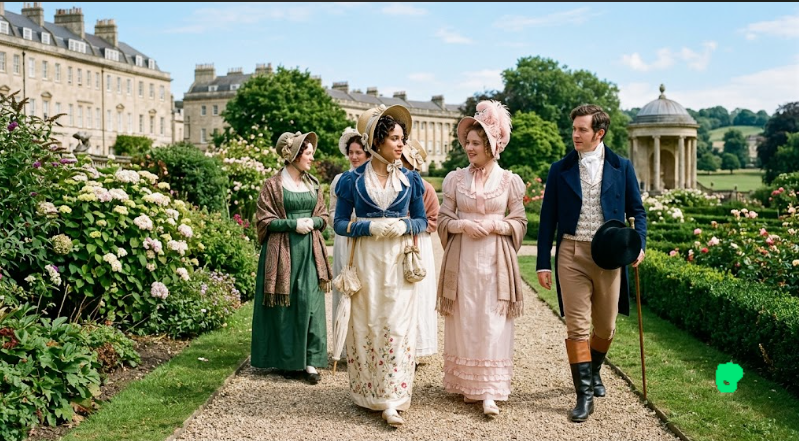

European fashion is difficult to define with a single outfit. A tailored jacket in Milan, an experimental look in London, and functional layers in Copenhagen can all represent European style while looking completely different. That variety is precisely what has kept the continent influential in clothing and design. Rather than following one aesthetic, fashion across Europe reflects climate, local culture, craftsmanship, social change, and personal taste. Historic fashion houses exist alongside independent labels, vintage shops, streetwear, and everyday wardrobes built around practical basics. Understanding those differences gives a much clearer picture than trying to identify one supposedly universal European look.
What Does European Fashion Actually Mean?
European fashion describes the clothing styles and design traditions found across European countries. It includes luxury clothing, everyday dress, tailoring, streetwear, traditional craftsmanship, and contemporary trends. Because Europe contains many cultures and climates, the term covers a wide range of approaches to getting dressed. There are some shared characteristics, but they aren’t rules. Good proportions, useful layers, carefully chosen accessories, and clothes that can work across different settings appear frequently. The strongest outfits often rely less on obvious branding and more on how individual pieces work together. Climate also makes a noticeable difference. Colder northern regions naturally depend more on knitwear, coats, boots, and layering, while southern wardrobes can accommodate lighter fabrics and relaxed warm-weather pieces. This practical relationship between clothing and daily life is easy to overlook when European style is presented only through runway photographs.
How European Fashion Developed
European clothing has changed repeatedly as wealth, technology, politics, art, and social expectations have changed. For centuries, elaborate dress could communicate social position, while skilled dressmakers and tailors produced clothing for customers who could afford individual craftsmanship. Industrial manufacturing later made fashionable clothes accessible to much larger groups of people. The twentieth century accelerated that change. Clothing became less restrictive, ready-to-wear expanded, and younger consumers gained greater influence over what was considered fashionable. Music, cinema, nightlife, magazines, and youth movements began affecting wardrobes alongside established designers. Modern style still carries traces of these different periods. Traditional tailoring hasn’t disappeared, but it now competes and mixes with denim, sneakers, sportswear, vintage clothing, and relaxed silhouettes. That ability to reinterpret older ideas has become one of Europe’s strongest fashion characteristics.
Paris and the Foundations of European High Fashion
Paris has a long association with luxury dressmaking and designer fashion. Couture helped establish the city as a place where clothing could be treated as both skilled craftsmanship and creative expression. Fashion houses later expanded this influence through ready-to-wear, accessories, fragrance, and international retail. French style outside couture tends to receive attention for a different reason. Everyday Paris-inspired dressing is usually associated with restraint: a good coat, uncomplicated trousers, knitwear, shirts, simple dresses, and accessories that complement rather than dominate an outfit. The attraction comes from coordination rather than the number of statement pieces being worn. Yet Paris shouldn’t be reduced to neutral colors and classic basics. Contemporary fashion in the city includes experimental designers, vintage clothing, sportswear, luxury labels, and numerous cultural influences. Its importance comes partly from allowing established fashion traditions and newer forms of personal expression to exist together.
Milan and the Rise of Italian Fashion
Italian fashion has built a strong reputation around materials, construction, tailoring, leather goods, and polished presentation. Milan sits at the center of the country’s international fashion industry, but Italy’s clothing identity reaches beyond one city. Different regions have long contributed specialist manufacturing and craft knowledge. Fit is especially important to the popular understanding of Italian style. A jacket doesn’t need unusual decoration when its proportions, fabric, and construction already give it character. The same principle applies to trousers, knitwear, shoes, handbags, and other pieces where quality can be visible through details rather than logos. Italian dressing can also be more expressive than its reputation for elegant tailoring suggests. Color, pattern, sunglasses, jewelry, and distinctive accessories often appear alongside classic garments. This balance between refinement and personality gives Italian fashion much of its recognizable character.
London and the Influence of Youth Culture
London’s fashion identity has frequently been shaped by people willing to ignore established rules. Young consumers, musicians, designers, and subcultures have all contributed to periods when British clothing became noticeably more experimental. Fashion in the city can move quickly between traditional tailoring and deliberate rebellion. The contrast is part of London’s appeal. A formal coat might appear with worn denim and sneakers, while vintage clothing can sit beside contemporary designer pieces. Individual expression often matters more than creating a perfectly coordinated wardrobe. British fashion also demonstrates how strongly clothing can communicate membership and attitude. Different generations have used hairstyles, footwear, jackets, fabrics, and accessories to identify themselves with particular music scenes or social groups. Those influences eventually move beyond their original communities and enter mainstream wardrobes.
Scandinavian Fashion and Practical Minimalism
Scandinavian fashion is commonly associated with simple silhouettes, functional clothing, and restrained styling. There is some truth to that image, especially because colder weather makes layering and dependable outerwear necessary. Clothes often need to look good while remaining practical enough for everyday movement. Modern Nordic style, however, isn’t limited to neutral knitwear and minimalist coats. Relaxed tailoring, oversized shapes, sportswear, bold accessories, and brighter colors can all appear within contemporary Scandinavian wardrobes. Copenhagen street style in particular has helped broaden international perceptions of how people in the region dress. Function remains an important underlying idea. Instead of treating practicality as the opposite of fashion, Scandinavian styling often allows the two to work together. Comfortable shoes, weather-appropriate outerwear, useful bags, and pieces that can be layered become part of the visual identity rather than compromises.
What Modern European Style Looks Like
Today’s European wardrobe is much less formal than the stereotypical image of immaculate suits and elegant dresses. Sneakers can accompany tailored trousers, denim can be worn beneath structured outerwear, and an expensive accessory may be combined with an inexpensive basic. Mixing categories has become normal. Proportion often matters more than individual garments. Wide trousers may be balanced with a fitted top, while an oversized coat can provide structure to otherwise simple clothing. These choices make relatively ordinary pieces feel intentional without requiring an entirely new wardrobe every season. Personal style also matters more than following a rigid formula. Someone may prefer French-inspired simplicity, Italian tailoring, London’s eclectic combinations, or Scandinavian practicality. Borrowing elements from these traditions works better than attempting to imitate an exaggerated national stereotype.
European Street Style and Everyday Dressing
Street style offers a more realistic view of contemporary fashion than runway collections alone. People adapt trends according to weather, work, transportation, budget, and personal comfort. The result is usually less theatrical and more useful for understanding how clothing actually fits into daily life. Layering is particularly effective because European weather can change considerably by location and season. Lightweight shirts, sweaters, jackets, scarves, and coats allow an outfit to adjust without losing its overall shape. Footwear tends to follow the same practical logic, with sneakers, boots, loafers, and flats appearing frequently. Vintage and secondhand pieces have also become natural additions to modern wardrobes. An older leather jacket or coat can work with new denim, while contemporary footwear can make traditional clothing feel less formal. Combining different periods gives an outfit personality without depending entirely on current trends.
Sustainability Is Changing European Fashion
Fashion is increasingly being judged by more than appearance. Questions about manufacturing, waste, durability, working conditions, and excessive consumption have become harder for brands and shoppers to ignore. This has encouraged greater interest in resale, repair, responsible production, and clothing designed to remain useful longer. Buying less can also change how a wardrobe is constructed. Instead of collecting many pieces that serve nearly identical purposes, shoppers can focus on clothes that combine easily and survive repeated wear. Good construction becomes more valuable when an item is expected to last beyond a single season. There is still a gap between sustainable ideals and everyday shopping behavior. Cheap trend-driven clothing remains widely available, while responsibly manufactured products can cost considerably more. The direction is clear, though: longevity and accountability are becoming more important parts of the fashion conversation.
Why European Fashion Still Matters
Europe’s fashion influence survives because its strongest traditions aren’t identical. Paris offers a history of couture, Italy contributes deep expertise in manufacturing and tailoring, London provides a tradition of experimentation, and Scandinavian cities have strengthened the connection between design and practical living. Together, these approaches offer different answers to the same question of how clothing should function. Their influence also extends beyond luxury fashion. Ordinary wardrobes around the world contain ideas associated with these traditions, from structured outerwear and slim tailoring to minimalist basics and unconventional streetwear combinations. Many people adopt these ideas without consciously thinking of them as European. The most useful lesson isn’t to dress according to a continent-wide formula. It is to pay attention to fit, purpose, materials, proportion, and individual expression. Those principles survive changing trends because they make clothes easier to wear rather than simply more fashionable.
Conclusion
European fashion remains interesting because it resists a simple definition. Its major cities have developed distinct identities, and those differences have produced everything from highly controlled couture to rebellious street clothing. For modern wardrobes, the strongest ideas are surprisingly practical. Fit, thoughtful proportions, useful layers, dependable materials, and selective accessories can have more impact than constantly buying whatever happens to be trending. Fashion across Europe will keep changing as younger consumers, designers, technology, environmental concerns, and cultural movements introduce new priorities. Older traditions will continue alongside them, sometimes being preserved and sometimes deliberately challenged. Rather than trying to look generically European, choose the influences that suit your own life. Clothing feels more convincing when personal taste comes first and geography serves as inspiration rather than a dress code.