Men’s clothing in 2025 found a comfortable middle ground between looking sharp and feeling relaxed. The polished, tightly fitted outfits that once defined dressing well were no longer the only option. Men could choose softer shapes, practical layers, and classic pieces without looking either too formal or deliberately underdressed. That change made everyday style more flexible. Good outfits relied less on obvious statement pieces and more on proportion, fabric, layering, and thoughtful combinations. The result was clothing that could move more easily between work, weekends, dinners, travel, and social occasions.
Relaxed Fits Changed the Shape of Everyday Outfits
Comfort influenced how trousers, shirts, and jackets were worn. Straight-leg pants provided more room through the thigh and calf, while wider trousers created a stronger silhouette for men who wanted something more noticeable. Neither approach required clothes to look excessively baggy. The easiest way to make relaxed clothing work is to pay attention to length. Trousers should fall naturally rather than gathering heavily around the ankle, and sleeves should still finish where they belong. Extra room looks deliberate when the basic proportions remain controlled. Balance also matters. If your trousers are particularly wide, a regular-fitting shirt or shorter jacket can prevent the outfit from becoming shapeless. Men with broader upper bodies may prefer the opposite approach, using a relaxed shirt with straighter pants to create visual balance.
Tailoring Became Useful Outside Formal Events
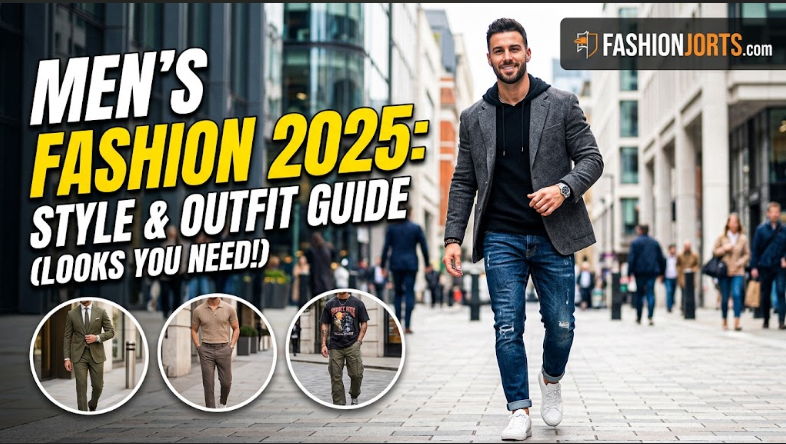
A blazer no longer needed matching trousers to make sense. Worn over a knitted polo, crew-neck shirt, or simple tee, it could provide structure without making an outfit feel like business attire. This made tailoring more practical for men whose daily lives rarely require suits. Dress trousers became equally flexible. A clean pair could work with sneakers and knitwear during the day, then switch to loafers and a button-down shirt for dinner. Neutral shades such as charcoal, navy, beige, and brown made these combinations particularly easy. The key was avoiding clothes that looked excessively corporate. Heavy shoulder padding, shiny fabrics, and overly precise matching could make casual styling difficult. Softer jackets and trousers with natural movement were much easier to integrate into an ordinary wardrobe.
Denim Offered More Than One Reliable Look
Blue jeans remained useful because they could adapt to different styles rather than belonging to a single trend. Medium washes suited casual outfits, while darker denim could sit comfortably beside smarter shirts, knitwear, and leather shoes. Black and faded grey offered alternatives for men who preferred darker wardrobes. The shape of the jeans made a bigger difference than decorative details. Straight cuts created a clean line and worked with most footwear, while roomier fits gave simple outfits more character. Heavy distressing wasn’t necessary to make denim interesting. Denim jackets also provided an uncomplicated outer layer during transitional weather. Instead of automatically pairing one with matching jeans, it could be worn over chinos, corduroy trousers, or tailored pants. That contrast allowed a familiar jacket to feel less predictable.
Knitwear Became an Easy Alternative to Hoodies
Sweaters, cardigans, knitted polos, and lightweight knits offered a simple way to make casual clothing look more considered. They remained comfortable but introduced texture that a basic sweatshirt couldn’t always provide. This made knitwear particularly useful for dinners, offices, travel, and cooler evenings. A knitted polo could replace a button-down shirt when you wanted to look polished without feeling formal. Cardigans worked as light jackets or layering pieces, while crew-neck sweaters fitted naturally over shirts and T-shirts. None required complicated styling to look finished. Fabric choice deserves attention because knitwear sits close to the body. Cotton can work well during warmer months, while wool and heavier blends are more useful when temperatures drop. Whatever the material, a knit should hold its shape rather than stretching noticeably around the cuffs and hem.
Workwear Added Function Without Looking Too Rugged
Practical clothing continued to make sense in everyday wardrobes because it was designed around usefulness. Chore jackets, overshirts, field jackets, and sturdy cotton layers offered pockets and durability while remaining easy to combine with ordinary clothes. They could replace both hoodies and more formal outerwear. The best workwear-inspired pieces didn’t require the rest of the outfit to follow the same theme. An olive jacket could sit over a white shirt and dark trousers, while a navy chore coat could work with jeans and sneakers. Keeping the supporting pieces simple prevented the outfit from feeling like a uniform. Wear also tends to suit these garments. Cotton canvas, denim, and similar fabrics often develop character rather than simply looking worn out. That makes a good jacket something you can keep for several seasons instead of treating it as a temporary purchase.
Footwear Moved Toward Cleaner Shapes
Shoes have a large effect on how the same clothes are perceived. A pair of trousers worn with athletic sneakers can feel casual, while the same trousers with loafers immediately appear sharper. Having a few distinct footwear options therefore creates more variety than owning many similar pairs. Slim sneakers worked particularly well with straight and moderately wide trousers because they kept the bottom of the outfit visually clean. Loafers provided a dressier alternative without reaching the formality of traditional lace-up shoes. Simple boots remained useful when weather or heavier outerwear called for something more substantial. Condition matters almost as much as style. Dirty sneakers, badly creased leather, or worn-out soles can undermine otherwise good clothing. Basic cleaning and occasional maintenance often improve an outfit more than purchasing another pair.
Color Worked Best With a Strong Neutral Base
Black, navy, grey, cream, white, brown, and olive remained useful because they allow clothes to be combined without much effort. Building around several of these shades makes it easier to create different outfits from a smaller wardrobe. It also leaves room for stronger colors without creating clashes. Adding color doesn’t require wearing something bright from head to toe. A burgundy sweater, pale blue shirt, green jacket, or colored sneaker can become the focal point while everything around it stays quiet. This approach is particularly useful for men who are beginning to experiment beyond black and grey. Season can guide these choices without creating strict rules. Lighter neutrals tend to feel natural in warm weather, while deeper browns, greens, navy, and charcoal work easily during cooler months. Your skin tone and personal preference should ultimately matter more than seasonal color charts.
Accessories Became Part of the Outfit, Not an Afterthought
A simple outfit can change considerably with a belt, watch, sunglasses, cap, scarf, or understated piece of jewelry. Accessories provide detail without requiring another jacket or pair of trousers. They are also an easy way to introduce a different material or color. Restraint usually produces a cleaner result. A watch and ring may be enough for one outfit, while sunglasses and a leather belt might complete another. Wearing every available accessory at once can distract from clothes that already work well. Bags deserve the same consideration. A practical tote, leather bag, or compact crossbody can replace overloaded pockets while adding another useful element to the outfit. Choose one according to what you actually carry rather than treating it purely as decoration.
How to Build a Wardrobe That Lasts Beyond 2025
A useful wardrobe begins with your routine rather than a shopping list. Someone who works in a casual office needs different clothing from a man who spends most days outdoors or attends formal meetings. Buying for an imaginary lifestyle usually creates clothes that rarely leave the closet. Before purchasing something new, consider how many existing pieces can be worn with it. A jacket that works with jeans, chinos, and dress trousers has greater value than one requiring a specific shirt and shoe combination. The same principle applies to footwear and outerwear. Trends are most useful when they help you notice better possibilities. A new trouser shape might improve your proportions, or a different shoe could make existing outfits feel fresher. Keep what works and ignore what doesn’t fit your body, budget, or daily life.
Conclusion
The strongest approach to dressing in 2025 was surprisingly practical. Comfort no longer required looking careless, and polished clothing didn’t have to feel formal or restrictive. Men had more freedom to move between those two sides depending on the occasion. A useful wardrobe should make those decisions simple. Clothes that share compatible colors, proportions, and levels of formality can be combined repeatedly without producing the same outfit every day. That flexibility is more valuable than owning every new style. Instead of replacing your wardrobe each season, improve it gradually. Pay attention to fit, buy for your actual routine, maintain good footwear, and choose new pieces that work with what you already own. Fashion will move on from 2025, as it always does. Clothes chosen with care can remain useful long after the year printed on a trend report has changed.