
London fashion has always been about individuality. Unlike cities where one signature style dominates, London allows many different looks to exist together. A perfectly tailored suit, a vintage jacket, a bold streetwear outfit, and a simple everyday coat can all represent the city’s fashion identity. The reason London remains influential is not only its designers or fashion events. It is the people who turn clothing into a form of self-expression. The city’s fashion culture has been shaped by history, music, art, different communities, and a willingness to challenge traditional ideas.
The Character of London Fashion
London style is often described as creative, practical, and unpredictable. The city’s weather encourages layering, while its cultural diversity creates endless combinations of colours, fabrics, and influences. A London outfit often mixes formal and casual pieces. Someone might pair a structured coat with trainers or wear classic trousers with a relaxed hoodie. This balance between smart and comfortable clothing has become one of the city’s most recognisable style features. London fashion is also less focused on following rules. Personal taste matters more than wearing a complete matching look. The goal is usually to create something that feels authentic.
The Role of British Heritage in London Style
Traditional British clothing continues to influence how London fashion looks today. Tailored jackets, wool coats, trench coats, knitwear, and quality leather shoes remain popular because they combine style with practicality. Savile Row has played an important part in building London’s reputation for craftsmanship. The area became famous for bespoke tailoring, where skilled makers created carefully fitted suits for clients who valued traditional techniques. However, modern London style rarely wears heritage clothing in a purely traditional way. A classic piece is often updated with modern cuts, casual footwear, or streetwear influences, creating a look that feels current rather than old-fashioned.
How Music and Youth Culture Changed London Fashion
Some of London’s biggest fashion movements came from young people creating their own identities. Music scenes, nightlife, and youth communities have repeatedly changed how people dress.
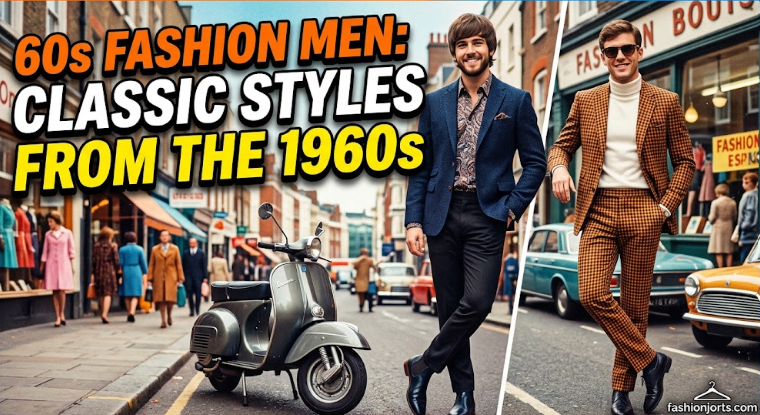
The Mod movement of the 1960s introduced sharp suits, clean lines, and a focus on looking polished. The punk movement of the 1970s took the opposite approach, using ripped fabrics, leather, and DIY styling to challenge social expectations.
Later decades brought influences from hip-hop, electronic music, skate culture, and independent streetwear brands. These movements proved that fashion in London is often created on the streets before it reaches major runways.
London Fashion Week and Creative Design
London Fashion Week has helped strengthen the city’s position in global fashion. It provides a platform for established designers and new creative talent to present their work to an international audience. What makes London’s fashion scene different is the willingness to experiment. Designers often explore unusual shapes, cultural references, and new approaches to traditional clothing. The event also reflects changes happening across the industry, including discussions around sustainability, responsible production, and changing ideas about how people wear fashion.
Popular London Fashion Styles Today
Modern Tailoring
Tailoring remains important, but the modern approach is more relaxed. Oversized blazers, wider trousers, and softer fabrics have become popular because people want clothing that looks refined without feeling restrictive. This style represents a shift from formal dressing toward pieces that can work in different situations.
Streetwear Influence
Streetwear has become one of the strongest parts of London’s current fashion identity. Hoodies, trainers, cargo trousers, graphic designs, and vintage sportswear are common choices across the city. London streetwear is not only about brands. It is about combining different pieces to create a personal style.
Vintage Fashion
Vintage clothing has a strong place in London culture. Markets, charity shops, and specialist stores allow people to find unique pieces with character and history. Many fashion lovers choose vintage because it offers something different from mass-produced clothing. It also connects with growing interest in buying fewer but more meaningful items.
Designers Who Shaped London Fashion
London has produced many designers who changed the way people think about clothing. Vivienne Westwood became known for connecting fashion with rebellion and cultural commentary. Her designs helped bring punk influences into international fashion. Alexander McQueen gained worldwide recognition for dramatic collections, detailed craftsmanship, and powerful storytelling through clothing. Burberry represents another side of British fashion, with its long association with outerwear and the famous trench coat. Newer designers continue to bring fresh ideas to London’s fashion scene, proving that the city remains a place where creativity can develop.
Fashion Areas to Explore in London
Different parts of London represent different sides of its fashion culture. Savile Row is associated with traditional tailoring and handmade suits. Camden has a long connection with alternative fashion, vintage clothing, and creative subcultures. Shoreditch is known for independent designers, streetwear, and contemporary style. Central areas such as Soho and Covent Garden offer a mix of luxury brands, independent shops, and fashion experiences. Together, these areas show that London fashion is not limited to one neighbourhood or one type of customer.
How to Create a London-Inspired Outfit
A London-inspired wardrobe does not require expensive designer clothing. The focus is on combining pieces thoughtfully. A simple look might include a classic coat, straight-leg trousers, comfortable trainers, and a vintage accessory. Another option could be a relaxed hoodie paired with a structured jacket to create contrast. The most important part is confidence. London fashion works because people make styles their own instead of copying one exact formula.
Why London Fashion Still Matters
London fashion continues to influence the world because it allows creativity to grow from many different sources. The city respects its traditions but does not remain stuck in the past. Its strongest contribution to fashion is the idea that clothing can represent personality, culture, and individual choices. From tailoring workshops to street corners, London continues to create styles that travel far beyond the city.
Conclusion
London fashion represents creativity without strict boundaries. The city’s style has developed through generations of designers, communities, and cultural movements that continue to influence how people dress. Its strength comes from variety. A traditional suit and a modern streetwear outfit can both belong to the same fashion story. For anyone interested in style, London offers an important lesson: the most memorable looks often come from mixing influences and creating something personal.