The 1920s changed the way people thought about clothing. After years of wartime restrictions and traditional social expectations, fashion became more relaxed, expressive, and connected to modern life. The decade introduced styles that challenged old ideas, from women wearing shorter dresses and cutting their hair to men adopting sharper but more comfortable suits. Known as the Roaring Twenties, this era was shaped by jazz music, cinema, nightlife, and cultural change. Today, 20s fashion remains popular because it represents confidence, elegance, and a sense of freedom that still feels relevant in modern style.
What Made 20s Fashion Different?
The biggest shift in 1920s fashion was the move away from heavily structured clothing. Before the decade began, women’s outfits often included corsets, long skirts, and detailed layers designed to create a specific body shape. The new generation wanted clothing that allowed more movement and matched a faster lifestyle. Designers began creating simpler silhouettes with softer fabrics and fewer restrictions. Dresses became shorter, waistlines dropped, and accessories became an important part of completing an outfit. Fashion was no longer only about following social rules; it became a way to show personality. The rise of cities, entertainment venues, and changing social roles all influenced what people wore. Clothing reflected a world that was becoming more modern and adventurous.
Women’s Fashion in the 1920s
The Flapper Style
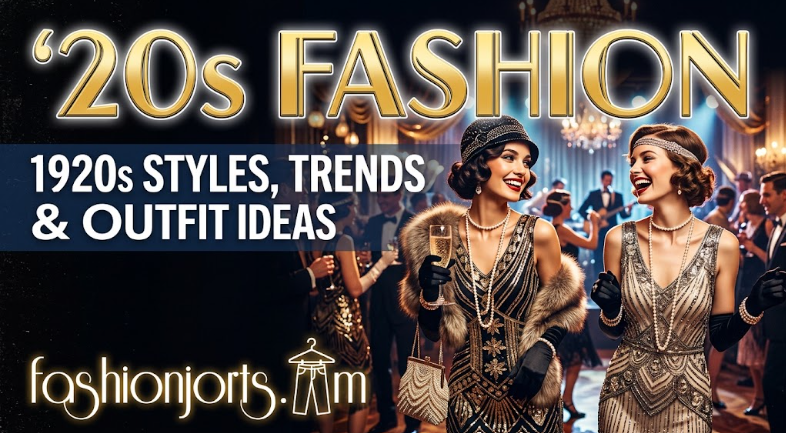
The flapper look became the most recognizable symbol of 1920s women’s fashion. Flappers were young women associated with independence, nightlife, and a willingness to challenge traditional expectations. Their clothing often featured straight silhouettes, lower waistlines, and decorative details. Instead of focusing on a fitted shape, dresses created a relaxed appearance that made dancing and movement easier.
Common features of flapper dresses included:
- Beaded designs
- Fringe details
- Sequins
- Loose shapes
- Lightweight fabrics
- Knee-length skirts
Although the flapper image represents the decade, not every woman dressed this way. Many women continued wearing practical day dresses and more conservative outfits.
Everyday Women’s Clothing
Daily fashion in the 1920s was more practical than evening styles suggested. Women wore skirts, sweaters, blouses, and simple dresses for work, shopping, and social activities. Sportswear also became more accepted during this period. Comfortable clothing was becoming important as women participated more in outdoor activities, travel, and public life. The overall style focused on ease without losing elegance.
1920s Hair and Beauty Trends
The 1920s brought major changes in beauty standards. Short hair became one of the strongest fashion statements of the decade.
The Bob Haircut
The bob haircut became a defining look of the era. Many women chose shorter hairstyles as a symbol of modern thinking and independence.
Popular hairstyles included:
- Straight bobs
- Finger waves
- Short curls
- Sleek cropped cuts
Hair was no longer just something to style traditionally. It became part of personal identity and fashion expression.
Makeup Trends
Makeup also became more visible during the decade. Women commonly used darker eye makeup, shaped eyebrows, and bold lipstick shades. Beauty routines became connected with glamour and entertainment culture, especially as Hollywood films influenced everyday fashion choices.
Men’s Fashion During the 1920s
Men’s fashion in the 1920s combined traditional tailoring with a more relaxed attitude. Suits remained essential, but styles became less rigid compared with earlier decades.
A typical man’s wardrobe included:
- Three-piece suits
- Waistcoats
- Dress shirts
- Patterned ties
- Leather shoes
- Formal hats
The popular image of a 1920s gentleman often includes a well-fitted suit, polished shoes, and carefully chosen accessories.
The Rise of Casual Menswear
The decade also saw growing interest in casual clothing. Younger men began wearing sports-inspired pieces and wider trousers, showing that fashion could be comfortable as well as stylish. This balance between formal and relaxed clothing helped shape modern menswear.
The Role of Art Deco in 20s Fashion
Art Deco had a major influence on fashion during the decade. The movement was known for bold shapes, luxury materials, and decorative patterns.
Designers incorporated Art Deco ideas through:
- Geometric prints
- Metallic fabrics
- Beaded patterns
- Statement jewelry
- Decorative accessories
This influence helped create the glamorous appearance associated with 1920s evening fashion.
Accessories That Defined the Decade
Accessories were essential in completing a 1920s outfit. They added personality and reflected the luxury and creativity of the period.
Women often wore:
- Pearl necklaces
- Headbands
- Cloche hats
- Long gloves
- Decorative handbags
Men commonly used:
- Fedora hats
- Pocket watches
- Tie clips
- Leather gloves
- Suspenders
These details helped turn simple clothing into a complete style statement.
How to Wear 1920s Fashion Today
Modern fashion lovers often borrow elements from the 1920s without recreating a full historical costume. The key is mixing vintage-inspired details with current clothing. For a women’s look, a satin dress, pearl accessories, soft waves, or a decorative headpiece can create a subtle 1920s influence. For men, a tailored suit, classic shoes, and a simple accessory can create a refined Gatsby-inspired style. The best modern interpretations focus on the feeling of the era: confidence, elegance, and individuality.
Why 20s Fashion Is Still Popular
The appeal of 20s fashion comes from its connection to change and self-expression. The decade introduced styles that challenged traditional ideas and created a new approach to dressing. Modern designers continue to revisit 1920s influences because the era combined comfort with sophistication. Vintage-inspired weddings, themed events, films, and fashion collections frequently use elements from this period. The decade remains memorable because it was not only about clothing. It represented a new way of thinking about identity and personal style.
Conclusion
The 1920s created some of the most recognizable fashion styles in history. It was a decade where clothing became more practical, expressive, and connected to changing lifestyles From flapper dresses and short hairstyles to classic suits and Art Deco details, the era continues to influence fashion today. Its lasting popularity comes from the confidence and creativity that defined the decade. Whether you are dressing for a themed event or simply adding vintage touches to your wardrobe, 20s fashion offers timeless inspiration built around elegance and individuality.