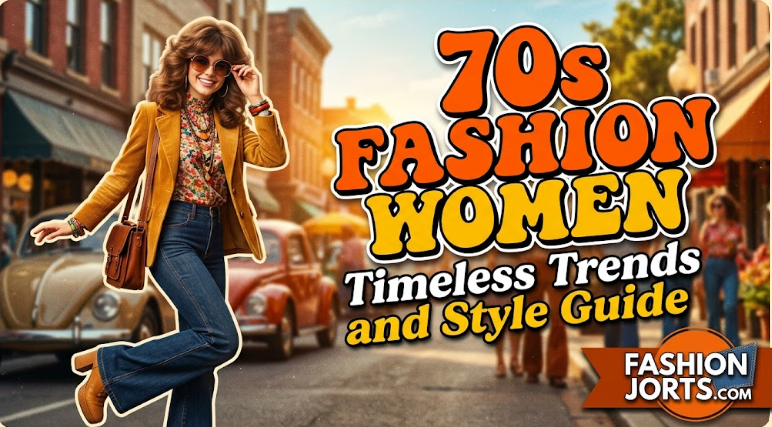
The fashion of the 1970s gave women more freedom than ever before to express their personality through clothing. It was a decade that moved away from strict style rules and welcomed creativity, comfort, and individuality. Women experimented with everything from relaxed denim and flowing dresses to glamorous evening outfits inspired by music and nightlife. What makes 70s fashion women’s style so memorable is the variety. There was no single look that defined the decade. Some women embraced a natural bohemian aesthetic, while others preferred polished office outfits or dramatic disco-inspired clothing. This mix of confidence and experimentation is why 1970s fashion continues to influence modern designers and everyday wardrobes.
The Evolution of Women’s Fashion in the 1970s
The 1970s were a period of major cultural change, and fashion reflected those shifts. Women were looking for clothing that matched their changing lifestyles, whether they were working, socializing, traveling, or enjoying new forms of entertainment. Early 70s style carried influences from the late 1960s, with relaxed silhouettes, handmade details, and nature-inspired designs. As the decade progressed, fashion became more diverse. Tailored suits, sporty clothing, romantic dresses, and glamorous evening wear all became part of women’s everyday choices. Instead of following one strict trend, women mixed different styles to create outfits that felt personal.
Bell-Bottom Jeans Became a 70s Fashion Essential
Few pieces represent the decade as strongly as bell-bottom jeans. These trousers featured a fitted shape around the hips and thighs before widening below the knee, creating a dramatic but balanced silhouette. Women often wore bell bottoms with fitted shirts, tucked-in blouses, sweaters, and platform shoes. The style created a flattering contrast by combining a structured upper body with a wider lower shape. Denim also became more accepted as fashionable clothing during this period. Jeans were no longer only practical workwear; they became a way for women to show personality through different washes, cuts, and styling choices. Today, flare jeans continue to appear in modern fashion because they offer a vintage-inspired look while remaining easy to wear.
Bohemian Style Defined the Free-Spirited Side of the Decade
The bohemian trend represented creativity, comfort, and individuality. Women who followed this style often chose clothing with flowing shapes, artistic patterns, and natural textures.
Popular pieces included:
- Long maxi dresses
- Embroidered tops
- Crochet clothing
- Suede jackets
- Fringe details
- Wide belts
The beauty of bohemian fashion was its relaxed approach. Instead of creating perfectly matched outfits, women combined different fabrics, colors, and accessories to create a unique appearance. Many modern festival and vacation styles still borrow from this 70s influence through flowing dresses, layered jewelry, and earthy tones.
Maxi Dresses and Feminine Silhouettes
Maxi dresses became one of the most recognizable women’s fashion trends of the 1970s. These floor-length dresses offered comfort while maintaining an elegant appearance. Women wore maxi dresses with floral prints, geometric patterns, soft fabrics, and long sleeves. Some designs featured fitted waists, while others focused on loose and flowing shapes. The popularity of maxi dresses showed how women’s fashion was becoming more practical. Clothing could be stylish without feeling restrictive.
Disco Fashion Brought Glamour and Confidence
The late 1970s introduced a completely different side of women’s fashion. Disco culture influenced clothing with brighter colors, sparkling materials, and dramatic designs.
Women’s disco outfits often included:
- Sequined dresses
- Shiny tops
- Jumpsuits
- Wide-leg trousers
- Halter neck styles
- Platform heels
These outfits were created for movement and attention. Nightclubs became places where fashion could be bold, playful, and expressive. Disco fashion was not only about appearance; it represented confidence and the excitement of social experiences during the era.
The Wrap Dress Changed Everyday Fashion
The wrap dress became one of the most successful designs of the decade. Introduced by Diane von Fürstenberg in the 1970s, the style became popular because it was comfortable, feminine, and suitable for many occasions. The design allowed women to adjust the fit easily while creating a flattering shape. It worked for professional settings, casual events, and evening occasions. The success of the wrap dress reflected a larger movement toward clothing that supported women’s active lifestyles.
Colors and Patterns That Defined 70s Style
The color choices of the 1970s were instantly recognizable. Designers frequently used warm and earthy shades that created a natural, relaxed feeling.
Popular colors included:
- Mustard yellow
- Burnt orange
- Olive green
- Brown
- Burgundy
- Cream
Patterns were equally important. Floral designs, paisley prints, stripes, and geometric shapes appeared on dresses, shirts, and jackets. Women often used patterns as a way to make simple outfits feel more interesting and expressive.
Famous Women Who Shaped 70s Fashion
Several influential women became symbols of 1970s style.
Farrah Fawcett
Farrah Fawcett became known for her effortless California-inspired style. Her feathered hairstyle became one of the most recognizable beauty trends of the decade, while her casual outfits influenced everyday fashion.
Cher
Cher represented the dramatic and glamorous side of 70s fashion. Her bold stage outfits showed that clothing could be artistic, powerful, and completely personal.
Diana Ross
Diana Ross brought elegance and sparkle to the decade with glamorous dresses, statement accessories, and unforgettable performance looks.
Jane Birkin
Jane Birkin became associated with simple, natural style. Her combination of denim, relaxed tops, and understated accessories created an effortless bohemian appearance.
Hairstyles and Accessories That Completed the Look
Hair and accessories played an important part in creating a complete 70s outfit. Popular hairstyles included feathered layers, long waves, shag cuts, and natural textures. Many women preferred styles that looked relaxed rather than overly structured. Accessories added personality to outfits. Oversized sunglasses, large earrings, scarves, belts, and statement handbags were common choices. Shoes were also essential. Platform heels, boots, wedges, and clogs helped complete both casual and glamorous looks.
How to Wear 70s Fashion Today
Modern fashion does not require wearing a full vintage outfit to capture the spirit of the 1970s. The best approach is combining one or two retro pieces with contemporary clothing. For a casual look, pair flare jeans with a simple shirt and ankle boots. For a bohemian style, choose a printed maxi dress with modern jewelry. For an evening outfit, a metallic top or wide-leg trousers can add a subtle disco influence. The goal is to borrow the confidence of 70s style while keeping the outfit suitable for today.
Why 70s Fashion Women’s Style Remains Popular
The lasting appeal of 1970s fashion comes from its focus on individuality. The decade encouraged women to explore different styles instead of following one fixed idea of beauty or elegance. Many trends from this period continue because they combine personality with practicality. Flared jeans, wrap dresses, and flowing silhouettes remain popular because they offer comfort while still making a statement. The 70s were more than just a fashion era. They represented a shift toward personal expression, and that message continues to influence how women approach style today.
Conclusion
70s fashion women’s style remains popular because it celebrated freedom, creativity, and confidence. The decade allowed women to explore different identities through clothing, from relaxed bohemian looks to glamorous evening outfits. The strongest influence of the 1970s is not a specific garment or trend. It is the idea that fashion should feel personal and enjoyable. That approach continues to inspire women who want clothing that reflects who they are.