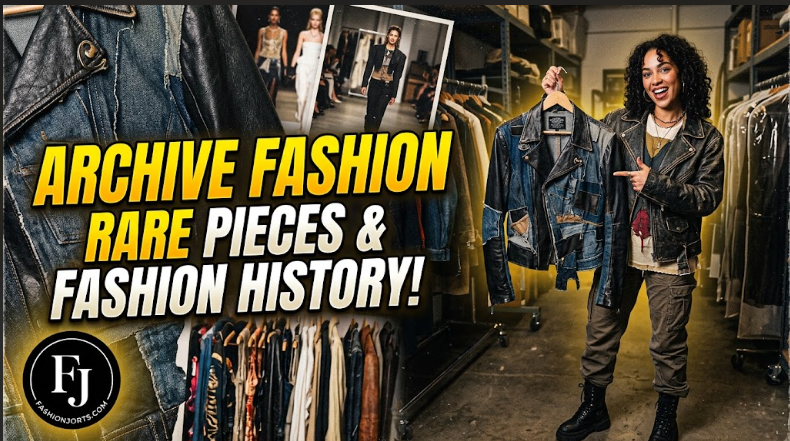
Archive fashion is changing the way people understand clothing. A garment is no longer valued only because it is new or follows the latest trend. Many fashion enthusiasts now search for pieces with a story, a creative vision, and a connection to a specific moment in design history. Archive fashion represents clothing from past collections that has gained importance because of its rarity, craftsmanship, cultural influence, or connection to a notable designer. Unlike ordinary second-hand clothing, archive pieces are often treated as collectible objects. They represent the ideas, experiments, and artistic direction of designers during important periods of their careers. For many collectors, wearing archive fashion is a way to connect with the history behind a garment rather than simply choosing something to wear.
What Is Archive Fashion?
Archive fashion refers to rare and meaningful pieces from previous designer collections. These garments are usually recognized because they represent a significant period, collection, or creative approach within fashion history. A piece does not become valuable only because it is old; its importance comes from the story and influence behind it. A runway jacket from an important collection, an experimental garment created with unusual materials, or a design that changed how people viewed clothing can all become part of a fashion archive. These pieces often reflect the designer’s ideas at a particular time and show how fashion evolved through creativity and experimentation.
The Difference Between Archive Fashion and Vintage Clothing
Many people use the terms archive and vintage interchangeably, but they have different meanings. Vintage clothing generally refers to garments from earlier decades that are appreciated for their age, style, quality, or nostalgic appeal. Archive fashion focuses more on historical and creative value. A vintage item may simply be old, while an archive piece usually has a stronger connection to a designer, collection, or cultural movement. For example, a 1990s leather jacket found in a resale shop may be considered vintage. However, a jacket from an influential 1990s designer collection with limited production and historical relevance may be considered an archive piece.
Why Archive Fashion Became Popular
The popularity of archive fashion has grown because many people are looking for alternatives to fast-changing trends. Instead of buying clothes that quickly lose attention, collectors are choosing pieces that have lasting meaning and character. Social media has also played a major part in bringing archive fashion to wider audiences. Fashion communities share runway images, collection histories, and rare finds online, allowing people to discover designers and garments that were previously known only among collectors and industry experts. Another reason for its popularity is the desire for individuality. Mass-produced fashion often creates similar styles across different markets, while archive pieces allow people to build wardrobes that feel personal and unique.
Designers Who Became Important in Archive Fashion
Alexander McQueen’s Lasting Influence
Alexander McQueen remains one of the most respected names in archive fashion. His work combined detailed tailoring, historical references, and powerful storytelling. His collections often challenged traditional ideas about beauty and clothing. Many collectors seek McQueen pieces because they represent a strong creative identity. His designs were not only garments but also expressions of emotion, culture, and artistic direction.
Maison Margiela’s Experimental Approach
Maison Margiela became highly influential through its unconventional methods and unique approach to design. The brand questioned traditional ideas about luxury by using deconstruction, unusual shapes, and unexpected materials. Older Margiela pieces are highly valued because they demonstrate a different way of thinking about fashion. They show how clothing can challenge expectations rather than simply follow them.
Raf Simons and Helmut Lang’s Cultural Impact
Raf Simons and Helmut Lang are also major names among archive collectors. Their designs influenced the relationship between fashion, youth culture, music, and street style. Early collections from these designers remain popular because they captured the mood of their era while introducing ideas that continue to influence modern fashion.
Why Collectors Buy Archive Fashion
Collectors are attracted to archive fashion for many reasons. Some appreciate the craftsmanship, while others are interested in owning a piece connected to an important moment in fashion history. A collector may value a garment because it represents a designer’s creative breakthrough or because only a small number of pieces were produced. The emotional connection between the wearer and the story behind the clothing often matters as much as financial value. However, archive fashion is not always a guaranteed investment. Prices can change depending on demand, condition, authenticity, and changing interests within the fashion community.
How to Start Building an Archive Collection
Starting an archive collection requires patience and knowledge. The first step is learning about designers, collections, and fashion history. Understanding why a particular garment matters helps buyers make better decisions. Authenticity is another important factor. Collectors should examine labels, construction details, materials, and seller information before purchasing expensive pieces. The archive market includes many valuable garments, but it also requires careful research. The best collections usually develop around personal interests. Someone may focus on Japanese designers, another person may prefer early streetwear, while someone else may collect experimental tailoring. There is no single correct approach.
The Role of Fashion Archives
Fashion archives preserve the creative history of designers and brands. They often contain garments, sketches, photographs, and other materials that document how collections were developed. These archives help designers, researchers, and museums understand the evolution of fashion. They also allow future generations to study how clothing reflected social changes, artistic movements, and cultural ideas. Without archives, many important designs and creative moments could disappear over time.
The Future of Archive Fashion
Archive fashion continues to grow because people are becoming more interested in meaningful ownership. Instead of viewing clothing as something temporary, many consumers now see certain garments as cultural objects with lasting value. As fashion continues to change, older pieces will likely remain important because they represent creativity that cannot always be recreated. Archive fashion keeps the connection between past and present alive by allowing new generations to experience influential designs.
Conclusion
Archive fashion represents a deeper relationship between people and clothing. It shows that garments can carry memories, creative ideas, and cultural meaning beyond their original purpose. The appeal of archive pieces comes from their ability to connect different generations of fashion lovers. A garment created decades ago can still influence how people think about style today. For anyone interested in fashion history, archive fashion offers an opportunity to explore the creativity, craftsmanship, and stories that make certain pieces truly unforgettable.