
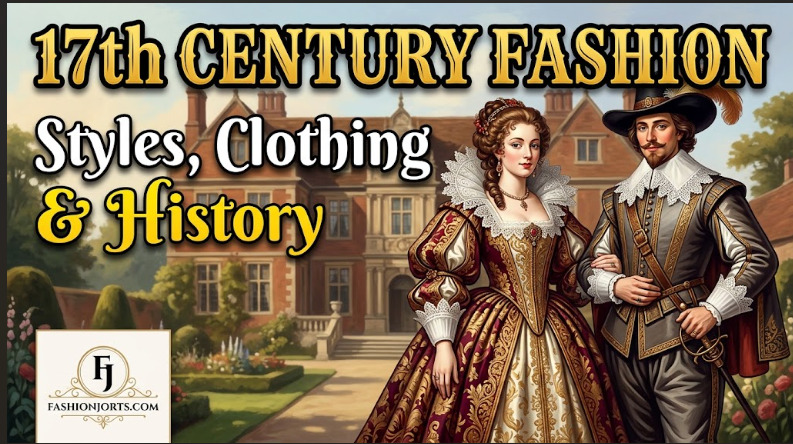
The 17th century was a time when fashion became a clear reflection of power, wealth, and social identity. Between 1600 and 1699, clothing moved through major changes, from the structured designs inherited from the Renaissance to the dramatic and luxurious styles of the Baroque period. What people wore was not only a matter of appearance; it showed their position in society, their profession, and even their connection to royal courts. From French nobles dressed in silk and lace to working people wearing practical wool garments, 17th century clothing revealed the differences between social groups. The period introduced many styles that still influence historical costumes and modern fashion, including tailored coats, waistcoats, elaborate gowns, and decorative accessories.
The Evolution of Fashion During the 17th Century
Fashion in the 1600s did not remain unchanged. The early part of the century still carried strong Renaissance influences, with stiff shapes, fitted clothing, and formal designs. As the decades passed, clothing became more relaxed, decorative, and influenced by European royal courts. France became one of the strongest fashion centers during the later years of the century. The court of Louis XIV at Versailles promoted luxurious clothing as a symbol of status and authority. Nobles competed through elaborate outfits, expensive fabrics, and carefully styled appearances. At the same time, fashion was becoming more accessible. Merchants and professionals adopted fashionable elements using less expensive materials, while ordinary workers continued wearing practical clothing designed for daily activities.
Women’s Clothing in the 17th Century
Women’s fashion during the 1600s focused on creating an elegant silhouette through multiple layers of clothing. A woman’s outfit usually began with a linen undergarment and developed into a carefully arranged combination of structured and decorative pieces. The foundation of the outfit was the chemise, a simple garment worn close to the body. Over it, women often wore stays, which helped shape the torso. Petticoats added volume beneath skirts, while the outer gown provided the main decorative appearance. Wealthy women commonly wore dresses made from silk, velvet, and satin. These garments often featured embroidery, ribbons, lace, and detailed sleeves. The amount of decoration depended heavily on wealth because fine materials and skilled craftsmanship were expensive.
How Women’s Fashion Changed Throughout the Century
Early 17th century women’s clothing continued many Renaissance traditions. Dresses had structured bodices, high collars, and formal shapes that emphasized dignity and status. By the middle of the century, styles became softer. Sleeves became wider, necklines changed, and clothing appeared less rigid. Women’s fashion started focusing more on flowing fabrics and graceful movement. In the late 1600s, the mantua became an important style among wealthy women. This gown featured elegant draping and later influenced European dress in the following century.
Men’s Fashion in the 17th Century
Men’s fashion experienced some of the most noticeable changes during this period. Early in the century, men continued wearing doublets, fitted jackets, breeches, and decorative collars. These garments created a structured appearance similar to earlier Renaissance styles. The doublet was one of the most important pieces of clothing. It was worn over a shirt and could be made from fine materials with embroidery and decorative buttons. Breeches became a defining feature of men’s clothing. These knee-length trousers were usually worn with stockings and were often decorated among wealthy men. Later in the century, men’s clothing became more similar to modern formalwear. Long coats, waistcoats, and breeches created a combination that eventually developed into the three-piece suit.
The Influence of Royal Courts on Fashion
Royal courts played a major role in spreading fashion trends during the 17th century. Monarchs and nobles used clothing to demonstrate authority and refinement. Louis XIV of France was especially influential. His court encouraged elaborate clothing, large wigs, decorative coats, and luxurious fabrics. Appearance became part of court culture, where clothing helped communicate rank and importance. England also developed recognizable styles during this period. The Cavalier look featured flowing hair, feathered hats, lace collars, and elegant clothing, while Puritan styles favored simpler designs and darker colors.
Fabrics and Materials Used in 17th Century Clothing
The choice of fabric often revealed a person’s social position. Wealthy individuals had access to imported and expensive materials, while ordinary people relied on durable textiles.
Common luxury fabrics included:
- Silk
- Velvet
- Satin
- Brocade
- Lace
These materials were used for formal gowns, coats, and accessories. Embroidery and decorative stitching increased the value of clothing. Working-class clothing was usually made from wool and linen. These fabrics were practical, easier to maintain, and suitable for everyday labor.
Accessories That Completed the Look
Accessories were essential parts of 17th century fashion. They added personality and showed social standing. Lace was one of the most recognizable features of the era. Men wore lace collars and cuffs, while women used lace to decorate sleeves, necklines, and head coverings. Men’s wigs became increasingly popular during the later decades of the century. Large powdered wigs became associated with wealth and sophistication, especially among European aristocrats. Hats were also important. Wide-brimmed hats decorated with feathers were fashionable among wealthy men. Shoes with decorative buckles and raised heels were another sign of status.
Fashion and Social Class in the 17th Century
Clothing created a visible difference between social groups. Nobles had access to expensive fabrics, skilled tailors, and decorative elements that ordinary people could not afford.Royal families and aristocrats used fashion to display influence. Their clothing was designed to attract attention and reinforce their position in society. Middle-class people often followed popular trends but used simpler materials. Their clothing balanced appearance with practicality. For farmers, laborers, and working communities, durability mattered more than decoration. Their garments were made for work and were often repaired and reused for years.
Why 17th Century Fashion Still Matters Today
The fashion of the 1600s continues to influence costume designers, filmmakers, and historians. The dramatic shapes, detailed craftsmanship, and connection between clothing and identity make the period especially interesting. Modern designers often borrow ideas from this era, including structured jackets, rich fabrics, lace details, and historical silhouettes. Movies and theater productions frequently study 17th century clothing to create accurate representations of the past. The period remains important because it shows how fashion can reflect larger changes in society. Clothing was not simply something people wore; it was a way to communicate who they were and where they belonged.
Conclusion
17th century fashion was shaped by social change, royal influence, and a growing interest in personal appearance. From luxurious court clothing to practical everyday garments, every style choice reflected something about the wearer’s life and position. The century created some of the most recognizable historical clothing styles, including elaborate gowns, decorated coats, and early forms of modern suits. Its influence remains visible today in fashion, film, theater, and historical research. Understanding 17th century clothing helps us understand the people who wore it. Fashion was not only about beauty; it was a reflection of culture, ambition, and identity.