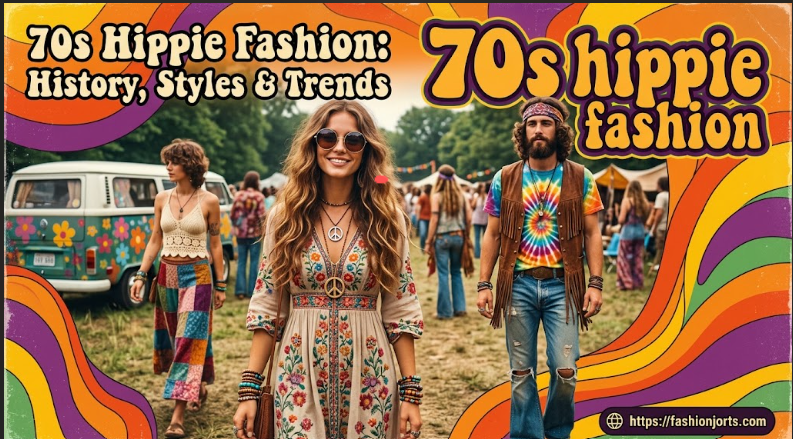
The 1970s created some of the most recognizable fashion moments in history, but few styles carried as much personality as hippie fashion. Built around creativity, comfort, and individuality, the hippie look rejected strict fashion rules and encouraged people to dress in ways that reflected their beliefs and personality. 70s hippie fashion developed from the counterculture movement of the late 1960s and became widely popular throughout the 1970s. It combined vintage clothing, handmade designs, natural fabrics, bold patterns, and influences from different cultures. The result was a relaxed style that felt artistic rather than carefully planned. Today, the appeal of this era continues because many people are drawn to clothing that feels unique and expressive. From festival outfits to modern bohemian styles, the influence of 70s hippie fashion can still be seen in contemporary wardrobes.
The Origins of 70s Hippie Fashion
Hippie fashion was closely connected to the social changes of the 1960s and 1970s. Young people were challenging traditional ideas about politics, lifestyle, and consumer culture, and clothing became one way to express those views. Instead of following expensive mainstream trends, many hippies preferred thrifted clothing, customized pieces, and handmade designs. A simple pair of jeans could become a personal statement with added embroidery, patches, or painted artwork. The movement also valued a closer relationship with nature. This preference influenced clothing choices, leading to greater popularity of materials such as cotton, linen, leather, and wool.
What Made Hippie Style Different From Other 70s Trends?
The 1970s included many fashion directions, from disco glamour to professional styles, but hippie fashion stood apart because it focused on personal freedom. Many mainstream styles of previous decades emphasized looking polished and coordinated. Hippie fashion took the opposite approach by mixing unexpected pieces, combining textures, and embracing imperfections. A person might wear a floral dress with worn boots, a handmade necklace with denim, or a vintage jacket with a colorful shirt. The goal was not to create a perfect outfit but to create one that felt personal.
Iconic Clothing Pieces From the Hippie Era
Bell-Bottom Jeans Became a Fashion Symbol
Few clothing items represent the 1970s more than bell-bottom jeans. These trousers were fitted through the upper leg and widened below the knee, creating a dramatic shape that became popular among both men and women. Hippies often gave their denim a personal touch by adding colorful stitching, fabric patches, or painted designs. This customization turned ordinary jeans into one-of-a-kind pieces. Bell-bottoms were usually paired with loose shirts, sandals, boots, or platform shoes to create the relaxed silhouette associated with the decade.
Tie-Dye Represented Creativity and Individuality
Tie-dye became one of the most recognizable parts of hippie fashion. The handmade process created unique patterns, meaning no two pieces looked exactly the same. The colorful designs matched the experimental spirit of the era. Swirling patterns, bright combinations, and artistic shapes appeared on shirts, dresses, scarves, and accessories. Although tie-dye existed before the hippie movement, the 1970s helped make it a worldwide symbol of alternative fashion.
Flowing Dresses and Bohemian Silhouettes
Women’s hippie fashion often moved away from fitted clothing and embraced loose, comfortable designs. Long dresses, maxi skirts, and embroidered tops became popular choices.
Common details included:
- Floral patterns
- Crochet textures
- Lace designs
- Bell sleeves
- Embroidery
- Loose fabrics
These pieces created a natural, effortless appearance while allowing freedom of movement.
Suede, Fringe, and Layered Textures
Suede jackets, fringe vests, and leather accessories added texture to hippie outfits. These details were often inspired by Western clothing and handmade traditions. Fringe appeared on jackets, bags, boots, and belts, creating movement and adding a distinctive 70s touch.
Women’s Hippie Fashion in the 1970s
Women’s hippie outfits were often built around comfort and artistic expression. Instead of following one specific uniform, women combined different pieces to create individual looks. Popular clothing choices included long skirts, peasant blouses, crochet tops, embroidered dresses, and wide-leg pants. Many outfits were completed with handmade jewelry, scarves, headbands, and natural materials. Accessories were not just decorative. They helped communicate the relaxed and creative identity associated with the movement.
Men’s Hippie Fashion in the 1970s
Men’s hippie fashion introduced a more relaxed approach to traditional menswear. Many men moved away from formal clothing and embraced colorful patterns, longer hairstyles, and casual silhouettes.
Popular pieces included:
- Flared jeans
- Denim jackets
- Loose cotton shirts
- Suede vests
- Sandals
- Handmade bracelets
The style showed that men’s fashion could include creativity, color, and personal expression.
Colors and Patterns That Defined the Era
The hippie aesthetic combined earthy shades with vibrant designs. Some outfits focused on natural colors, while others embraced bright psychedelic patterns.
Popular shades included:
- Earth brown
- Mustard yellow
- Orange
- Olive green
- Deep purple
- Cream
- Rust tones
Patterns such as flowers, paisley, and abstract designs became strongly associated with the era. These prints added energy and visual interest to simple clothing shapes.
The Role of Music and Festivals in Hippie Style
Music culture played an important part in spreading hippie fashion. Concerts and festivals became places where people experimented with clothing and created new trends. Events connected with rock and folk music encouraged creative outfits featuring denim, handmade accessories, colorful fabrics, and vintage pieces. Musicians also influenced public fashion. Artists known for expressive stage clothing helped make bold patterns, unusual combinations, and relaxed styles more accepted.
How to Wear 70s Hippie Fashion Today
Modern versions of hippie fashion usually focus on individual pieces rather than recreating an entire 1970s outfit.
A simple modern interpretation could include:
- Flared jeans with a basic shirt
- A crochet top with denim
- A floral dress with boots
- A suede jacket over casual clothing
- Layered necklaces with simple outfits
The key is balance. Adding a few vintage-inspired elements often creates a more natural look than wearing every retro detail at once.
Why 70s Hippie Fashion Still Influences Style
The popularity of hippie fashion comes from its focus on authenticity. Many modern trends move quickly, but this style remains appealing because it encourages people to make fashion personal. The interest in vintage clothing, handmade products, and sustainable choices has also helped bring attention back to ideas connected with the hippie movement. The style continues because it represents something timeless: the freedom to dress in a way that feels true to yourself.
Common Misunderstandings About Hippie Fashion
Some people think hippie fashion only means colorful tie-dye clothing, but the style was much broader. Many hippies wore simple outfits with natural colors, vintage pieces, and handmade details. Another misunderstanding is that hippie fashion belongs only to the past. Modern bohemian clothing, festival fashion, and vintage-inspired designs continue to use many elements that became popular during the 1970s. The style has changed over time, but its focus on creativity remains the same.
Conclusion
70s hippie fashion remains one of the most influential styles because it was built around individuality rather than strict rules. The clothing reflected creativity, personal choices, and a desire to stand apart from traditional fashion expectations. Although the decade has passed, the ideas behind hippie style continue to influence designers, vintage lovers, and everyday fashion enthusiasts. The combination of comfort, creativity, and self-expression keeps this era relevant. The best way to wear 70s-inspired fashion today is to focus on the original spirit of the movement: choose pieces that feel personal and allow your style to tell your story.