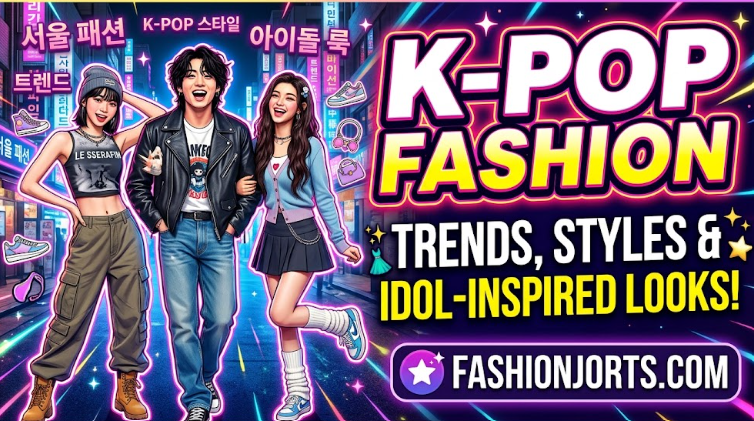
K-pop fashion has become one of the most recognizable youth style movements around the world. What started as part of Korean pop performances has grown into a source of inspiration for everyday outfits, streetwear trends, and luxury fashion conversations. From bold stage costumes to carefully styled airport appearances, K-pop artists use clothing as a way to express personality, creativity, and identity. The appeal of K-pop fashion comes from its variety. Some fans are drawn to colorful and playful outfits, while others prefer dark, minimalist, or street-inspired looks. Rather than following one fixed formula, K-pop style changes with each artist, album concept, and generation.
What Defines K-pop Fashion?
K-pop fashion is a combination of music culture, Korean street style, global trends, and creative styling. Clothing is not simply chosen for appearance; it supports the story an artist wants to tell. A powerful song may feature sharp tailoring and dramatic colors, while a softer concept may use pastel tones, vintage details, or romantic silhouettes. One of the biggest differences between K-pop styling and ordinary fashion is the level of planning behind each look. Stylists often create complete visual identities where clothing, hairstyles, makeup, and accessories work together. This approach helps audiences recognize an artist’s image before they even hear the music.
The Evolution of K-pop Style
K-pop fashion has changed significantly since the early days of Korean idol culture. In the 1990s, artists often borrowed influences from hip-hop, pop, and Western streetwear. Oversized clothing, sports-inspired outfits, and bold accessories became common features. During the 2000s, idol groups started developing stronger visual concepts. Coordinated outfits, school-inspired looks, and polished styling became popular because they created a clear identity for groups and performances. The 2010s brought a new level of global attention. K-pop artists began experimenting more with individual fashion choices instead of relying only on matching group outfits. Members developed personal styles that reflected their own personalities, making them influential beyond music. Today, K-pop fashion exists between entertainment and the wider fashion industry. Many idols attend major fashion events, collaborate with designers, and represent international brands while still maintaining their own creative identities.
Streetwear’s Strong Influence on K-pop Fashion
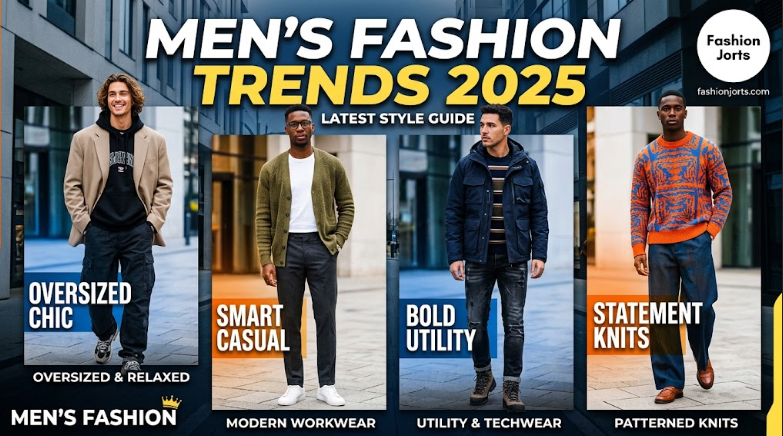
Streetwear is one of the most important parts of modern K-pop style. Oversized jackets, loose jeans, sneakers, hoodies, and layered clothing appear frequently in casual idol looks. This style works because it combines comfort with visual impact. A simple outfit can feel unique through small details such as unusual proportions, accessories, or unexpected color combinations. Many fans recreate streetwear-inspired idol outfits because they are easier to adapt for everyday life. Instead of copying a complete stage outfit, people often borrow individual elements and create their own versions.
The Return of Y2K Fashion Through K-pop
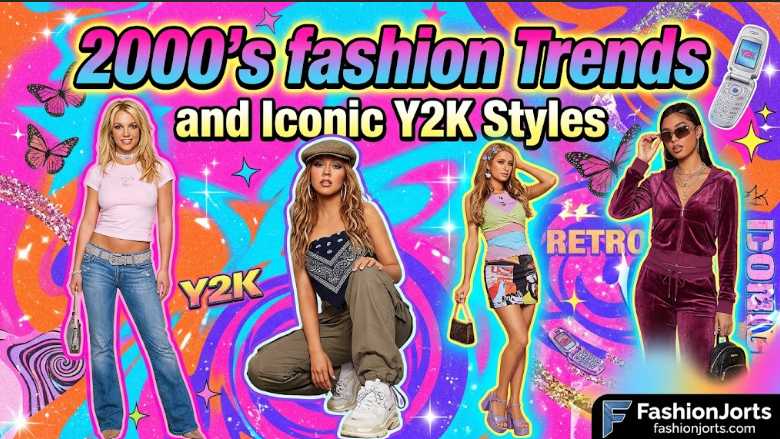
K-pop has helped bring many early 2000s fashion trends back into popularity. Y2K-inspired outfits often include cropped tops, mini skirts, low-rise jeans, colorful accessories, and playful designs. The reason this style fits K-pop so well is its connection with youthful energy and experimentation. Artists can combine nostalgic pieces with modern styling to create something that feels fresh. Y2K fashion also performs well on social media because its bold details are easy to recognize in photos and short videos. This has helped many K-pop-inspired trends spread quickly among younger audiences.
Luxury Fashion and Idol Influence
K-pop artists are now closely connected with luxury fashion. Many idols have become ambassadors for major fashion houses, appearing in campaigns and attending international events. However, luxury influence does not define all K-pop fashion. The interesting part is the contrast between high-end pieces and everyday clothing. An idol may combine a designer accessory with basic streetwear, creating a look that feels both aspirational and accessible. This balance has helped K-pop fashion reach different audiences. Some people follow idols for luxury inspiration, while others enjoy the styling ideas that can be recreated with affordable clothing.
Different K-pop Fashion Aesthetics
Soft and Feminine Styles
Soft K-pop looks often include cardigans, skirts, delicate accessories, pastel colors, and elegant details. These outfits create a youthful and polished appearance.
Dark and Edgy Styles
Some artists use stronger visuals with black clothing, leather pieces, boots, metallic accessories, and dramatic makeup. This style often appears in powerful or intense music concepts.
Minimal Korean Style
Not every K-pop outfit is bold. Many idols also prefer clean silhouettes, neutral colors, simple layering, and quality basics for everyday appearances.
Futuristic and Experimental Fashion
Some concepts push fashion boundaries with unusual shapes, metallic materials, creative accessories, and unexpected combinations. These outfits are often designed to make performances more memorable.
How Fans Can Create a K-pop Inspired Look
Creating a K-pop-inspired outfit does not require buying expensive designer clothing. The main idea is learning how to combine pieces in an interesting way. Start with simple foundations such as jeans, oversized shirts, jackets, or sneakers. Add personality through accessories, layering, colors, or one standout item. A casual idol-inspired outfit might include wide-leg pants, a graphic shirt, and sneakers. A more polished look could combine a fitted jacket with elegant accessories. The goal is not to copy a specific artist but to use fashion as a form of self-expression.
Why K-pop Fashion Has Global Impact
K-pop fashion succeeds because it connects visual creativity with personal identity. Fans are not only listening to music; they are engaging with complete artistic concepts that include clothing, beauty, and performance. Social media has also changed how fashion spreads. A single performance photo or behind-the-scenes image can introduce a new trend to millions of people within a short time. K-pop has shown that fashion can be a powerful communication tool. An outfit can represent confidence, rebellion, elegance, youth, or creativity without saying a word.
The Future of K-pop Fashion
K-pop fashion will likely continue expanding as Korean artists and designers gain more international recognition. Future trends may include more collaborations, greater focus on sustainable choices, and even stronger connections between technology and fashion. The movement continues to evolve because it allows both artists and fans to experiment. There is no single definition of K-pop fashion; its strength comes from constant change and personal interpretation.
Conclusion
K-pop fashion has grown into a global style movement because it combines creativity, storytelling, and individuality. It is not limited to stage performances; it has become part of how fans around the world explore their own identities through clothing. The most appealing part of K-pop fashion is its flexibility. Whether someone prefers streetwear, elegant outfits, bold designs, or simple looks, there is space to find inspiration. As Korean pop culture continues reaching new audiences, K-pop fashion will keep changing while remaining focused on the same idea: using style to express who you are.