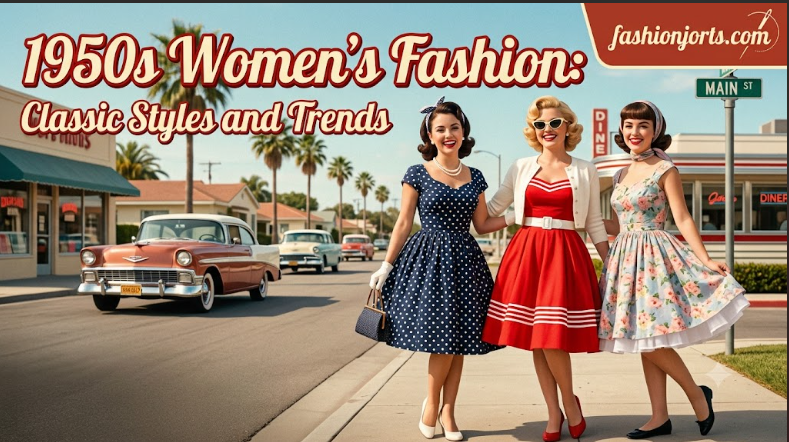
The 1950s brought a fresh sense of glamour and confidence to women’s clothing. After the difficult years of World War II, fashion moved toward more structured designs, beautiful fabrics, and carefully styled outfits. Women’s wardrobes became known for fitted waists, feminine shapes, polished accessories, and a balance between sophistication and everyday practicality. The decade remains one of the most recognizable periods in fashion history because its styles were easy to identify. From full-skirted dresses and tailored suits to casual trousers and youthful looks, 1950s fashion reflected changing lifestyles while maintaining a strong focus on elegance.
The Return of Feminine Silhouettes in the 1950s
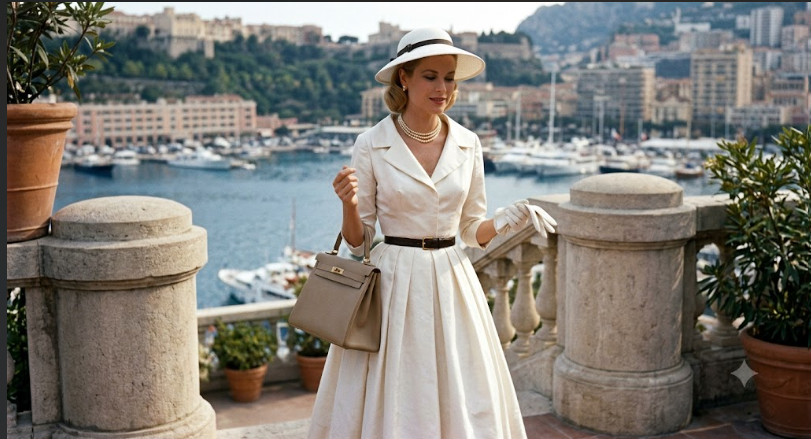
The biggest change in women’s clothing during the 1950s was the return of a more defined feminine shape. Designers moved away from the simpler, utility-focused clothing of the war years and introduced garments that highlighted the waist and created balanced proportions. The hourglass figure became the ideal silhouette. Dresses often featured fitted bodices, narrow waistlines, and fuller skirts that gave clothing movement and shape. Many women used belts, structured jackets, and layered undergarments to achieve the popular look of the era. This style was not only seen in luxury fashion but also appeared in everyday clothing sold in department stores and through home sewing patterns.
Christian Dior and the Influence of the New Look
Christian Dior’s “New Look,” introduced in 1947, shaped much of the fashion direction of the 1950s. His designs introduced rounded shoulders, a small waist, and wide skirts that created a dramatic contrast with wartime clothing. Although Dior’s original designs were expensive couture pieces, the ideas behind them quickly spread into mainstream fashion. Women adopted similar shapes through ready-made dresses, jackets, and skirts that were more affordable and accessible. The popularity of this style represented a desire for beauty, luxury, and a return to traditional elegance after years of restrictions.
The Most Popular Dresses of the 1950s
Full Skirt Dresses
Full skirt dresses became one of the defining styles of the decade. These dresses usually had fitted tops and wide skirts that created a graceful shape. Many featured floral patterns, polka dots, stripes, and bright colors. Women often wore petticoats underneath to add extra volume, especially for parties, dances, and special occasions. The style became closely associated with the cheerful and romantic image of 1950s fashion.
Shirtwaist Dresses
Shirtwaist dresses were popular because they combined comfort with a neat appearance. Inspired by men’s shirts, these dresses often included collars, buttons, and a fitted waist. They were suitable for many parts of daily life, including shopping, social gatherings, and household activities. Their practical design made them a favorite among many women.
Pencil Dresses
Pencil dresses offered a more fitted alternative to the wide skirt styles. These dresses followed the natural shape of the body and created a sophisticated appearance. They became especially popular for evening events and were often seen in Hollywood films. The style represented confidence and glamour while maintaining the polished look associated with the decade.
Everyday Clothing Beyond Dresses
Although dresses dominate many images of 1950s fashion, women also wore a variety of separates for daily activities. Sweaters, cardigans, blouses, skirts, and tailored pants became important parts of everyday wardrobes. Matching sweater sets, often called twin sets, were especially popular because they created a coordinated appearance without requiring a complicated outfit. Casual clothing also became more accepted. Younger women embraced jeans, capri pants, and simple tops, showing the beginning of a more relaxed approach to fashion.
Colors, Fabrics, and Patterns of the Era
The 1950s introduced a wide range of colors and decorative patterns. Fashion reflected a sense of optimism, with many garments featuring cheerful designs. Popular choices included soft pastels, bold reds, classic black and white combinations, and rich jewel tones. Floral prints, gingham, plaid, and polka dots appeared frequently on dresses and skirts. Cotton was widely used for everyday clothing, while silk, wool, and satin were common choices for more formal garments. Advances in synthetic fabrics also gave designers new options for creating affordable and easy-care clothing.
Hollywood’s Role in Shaping Women’s Style
Movies had a powerful influence on fashion during the 1950s. Film stars became style inspirations, and audiences often looked to actresses for ideas about clothing, hairstyles, and beauty. Marilyn Monroe became known for glamorous dresses, feminine curves, and bold beauty choices. Audrey Hepburn represented a more refined style with simple dresses, slim trousers, and elegant accessories. These different personalities showed that 1950s fashion was not limited to one image. Women could choose between dramatic glamour, classic simplicity, or casual sophistication.
Accessories That Completed the 1950s Look
Accessories were an important part of creating a complete outfit during the decade. Women carefully selected details that matched their clothing and added personality. Common accessories included pearl necklaces, gloves, scarves, belts, handbags, and decorative hats. Cat-eye sunglasses also became a recognizable symbol of the era. Shoes ranged from elegant pumps and kitten heels to casual saddle shoes. Footwear choices depended on the occasion, but style and coordination remained important.
Hairstyles and Makeup Trends of the 1950s
Beauty routines were closely connected with fashion during this period. Women often styled their hair carefully and used makeup to create a polished appearance. Popular hairstyles included soft curls, short waves, ponytails, and carefully arranged updos. Many women wore red lipstick, defined eyebrows, and eyeliner to complete their look. The beauty standards of the decade focused on neatness, confidence, and attention to detail.
Teenage Fashion and the Growth of Youth Culture
The 1950s was an important period for teenage fashion. Young people began developing styles that were separate from older generations. Poodle skirts became one of the most famous teenage trends, especially for school dances and social events. Teenagers also embraced denim, casual sweaters, sneakers, and rock-and-roll-inspired clothing. This shift showed that fashion was becoming a way for younger generations to express personality and independence.
Designers Who Left Their Mark on the Decade
Several designers influenced the direction of 1950s fashion. Christian Dior remained one of the most important names because of his dramatic silhouettes and couture designs. Coco Chanel introduced a different approach by focusing on comfort, simplicity, and timeless elegance. Her tweed suits became a symbol of refined style. Cristóbal Balenciaga also gained recognition for his creative shapes and exceptional craftsmanship, influencing the future of high fashion.
Why 1950s Fashion Still Inspires Modern Style
The popularity of 1950s fashion continues because its main elements remain easy to recognize and adapt. Fitted dresses, classic prints, elegant accessories, and vintage-inspired hairstyles are still used by designers and fashion lovers today. Many people appreciate the decade because it represents careful dressing and personal style. Unlike trends that quickly disappear, many 1950s influences continue because they focus on timeless shapes rather than temporary details.
Conclusion
The 1950s created some of the most memorable styles in women’s fashion history. The decade combined elegance, creativity, and changing social attitudes through clothing that ranged from glamorous dresses to practical everyday outfits. Although fashion has changed greatly since then, the appeal of 1950s style remains strong. Its focus on quality, confidence, and thoughtful details continues to inspire people who appreciate classic fashion. For anyone exploring vintage clothing, the 1950s offers a lasting example of how fashion can reflect both personal identity and the spirit of an era.