The Harlem Renaissance was a period when creativity, music, literature, and art transformed American culture. During the 1920s and early 1930s, Harlem became a place where African American artists and communities expressed their identity with confidence. Fashion became one of the most visible ways people represented this cultural pride, combining elegance, individuality, and the energy of the Jazz Age. Harlem Renaissance fashion was not only about looking stylish. The clothing people wore reflected ambition, independence, and a desire to redefine how Black Americans were viewed. From carefully tailored suits to glamorous evening dresses, fashion became a statement of personal achievement and cultural confidence.
The Meaning Behind Harlem Renaissance Fashion
Harlem Renaissance fashion developed during a time of major social change. As African Americans moved from southern states to northern cities during the Great Migration, new communities formed where art, business, and entertainment flourished. Clothing became an important part of this transformation. Dressing well was connected with self-respect and confidence. People used fashion to present themselves in ways that challenged unfair stereotypes and highlighted creativity. The style of the era combined traditional elegance with modern influences. Jazz clubs, theaters, social events, and everyday street fashion all contributed to the unique appearance associated with Harlem during this period.
The Influence of Jazz on Harlem Style
Jazz was one of the strongest influences on Harlem Renaissance fashion. The music represented freedom, movement, and experimentation, and these qualities appeared in the clothing choices of performers and audiences. Musicians often became style leaders because their public appearances were closely connected with their artistic identity. Elegant suits, polished shoes, and distinctive accessories helped performers create memorable images on and off the stage. Nightlife also encouraged people to dress creatively. Harlem’s clubs and social gatherings became places where fashion was displayed, admired, and constantly changing.
Women’s Fashion During the Harlem Renaissance
Women’s clothing during the Harlem Renaissance reflected a new sense of freedom. Compared with earlier decades, styles became less restrictive and allowed greater movement, matching the changing roles of women in society. Flapper-inspired designs became popular during the 1920s. Dresses often featured relaxed shapes, shorter lengths, and decorative elements that worked well for dancing and social events.
Dresses That Defined the Era
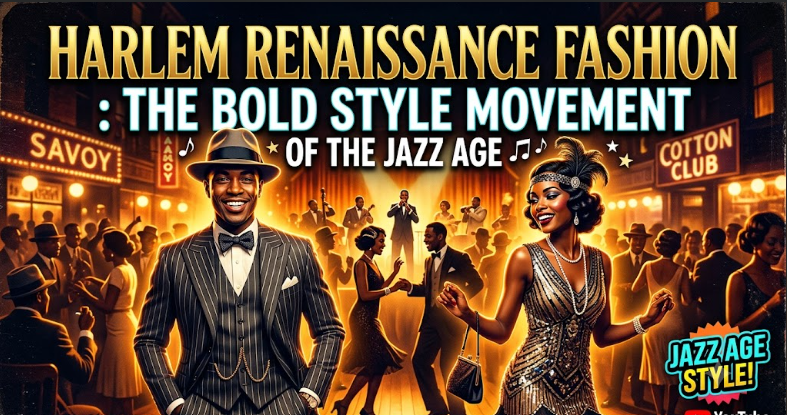
Drop-waist dresses were among the most recognizable styles of the period. Instead of focusing on a narrow waist, these dresses created a straighter silhouette that represented a more modern approach to fashion. Many evening dresses included detailed beadwork, embroidery, fringe, and shimmering fabrics. These details created movement and reflected the excitement of jazz performances and celebrations. Luxury materials such as silk, satin, and velvet were popular choices for formal clothing because they created a sophisticated appearance.
Accessories and Beauty Trends
Accessories played an important role in completing a woman’s look during the Harlem Renaissance. Pearl necklaces, decorative headbands, gloves, stylish handbags, and statement jewelry were common choices. Hairstyles also became a major part of fashion. Finger waves and short bob cuts represented modern beauty ideals of the 1920s. Makeup styles with bold lips and defined features added to the glamorous appearance of the period.
Men’s Fashion and the Rise of Elegant Dressing
Men’s fashion during the Harlem Renaissance focused on refinement and personality. A well-made suit was more than formal clothing; it represented confidence and attention to detail. Many men embraced carefully tailored outfits with strong silhouettes. Three-piece suits, formal coats, dress shoes, hats, and stylish accessories became popular choices among professionals, artists, and performers.
The Importance of the Suit
The suit became one of the strongest symbols of Harlem Renaissance menswear. Men experimented with different fabrics, patterns, and accessories while maintaining a polished appearance. Hats were also an important part of men’s style. Fedora hats and other classic designs helped complete outfits and added individuality. Fashion allowed men to present themselves with confidence in professional and social environments.
The Role of Art Deco in Harlem Fashion
The Art Deco movement influenced many areas of 1920s design, including clothing and accessories. Its focus on geometric shapes, decorative patterns, and luxury details appeared throughout Harlem Renaissance fashion. Jewelry, dresses, and eveningwear often included bold designs inspired by Art Deco aesthetics. Metallic details, symmetrical patterns, and rich textures created the glamorous appearance associated with the Jazz Age. This influence helped create a style that felt modern, artistic, and visually memorable.
Fashion Icons Who Represented the Era
Several influential figures helped shape the public image of Harlem Renaissance style. Performers, musicians, and writers used clothing as part of their personal identity. Josephine Baker became famous for her bold performances and unforgettable fashion choices. Her costumes and stage presence showed how clothing could become part of artistic expression. Musicians such as Duke Ellington and Louis Armstrong also influenced men’s fashion by combining musical talent with sophisticated personal style. Writers and intellectual figures of the era showed that fashion was not limited to entertainers. Everyday personal style became part of Harlem’s cultural identity.
How Harlem Renaissance Fashion Influences Modern Style
The influence of Harlem Renaissance fashion can still be seen in modern clothing. Designers continue to revisit elements from the era, including elegant tailoring, vintage-inspired dresses, statement jewelry, and classic formalwear. Modern fashion often borrows the confidence of the period rather than copying exact outfits. The focus remains on individuality, creativity, and using clothing as a form of expression. The movement also continues to inspire costume designers, photographers, and artists who want to capture the elegance and cultural importance of the Jazz Age.
Creating a Harlem Renaissance Inspired Look Today
A modern Harlem Renaissance-inspired outfit can combine vintage elements with contemporary fashion. For women, a beaded dress, pearl accessories, elegant hairstyle, and classic footwear can create a timeless appearance. For men, a fitted suit, formal shoes, a traditional hat, and refined accessories capture the sophistication of the era. The most important part of this style is confidence. Harlem Renaissance fashion was never only about clothing; it was about expressing personality, history, and pride.
Conclusion
Harlem Renaissance fashion represents a powerful connection between clothing and cultural identity. The styles created during this period reflected creativity, confidence, and a changing vision of Black expression in America. The elegance of the era continues to inspire because it was never only about appearance. The clothing represented ambition, individuality, and the desire to be recognized. More than a century later, Harlem Renaissance fashion remains a reminder that style can preserve history while giving people a way to express who they are.