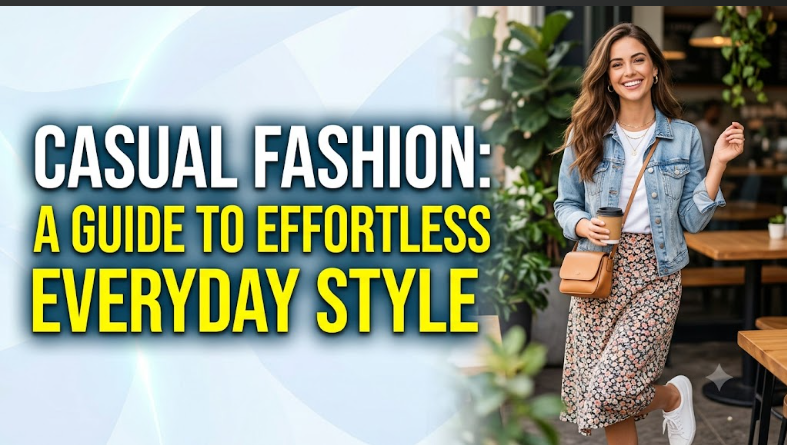
Casual fashion is about creating outfits that feel comfortable, practical, and personal without looking careless. It is the style people choose for everyday life, from running errands and meeting friends to traveling, working in relaxed environments, or enjoying weekends. While casual clothing was once viewed as simple and informal, it has become one of the most important parts of modern wardrobes. The appeal of casual style comes from its flexibility. A person can create a relaxed outfit with basic pieces like jeans and a T-shirt, or build a more refined look by combining casual items with structured clothing. The key is finding the right balance between comfort, confidence, and individual taste.
What Defines Casual Fashion?
Casual fashion focuses on clothing that is easy to wear and suitable for daily activities. It does not follow the strict rules of formal dressing, allowing people to experiment with different combinations, colors, and styles. A casual outfit usually includes practical pieces such as denim, cotton shirts, sneakers, sweaters, jackets, and comfortable trousers. However, wearing casual clothing does not mean choosing random items. Good casual style comes from understanding how different pieces work together. The best casual outfits often look simple because they rely on thoughtful choices. A well-fitted pair of jeans, a clean shirt, and suitable footwear can create a stronger impression than an outfit filled with unnecessary details.
The Evolution of Everyday Style
Casual clothing has changed significantly over the decades. Earlier generations followed clearer boundaries between formal and informal dressing, but lifestyle changes gradually created demand for more relaxed clothing. During the 20th century, denim jeans, sportswear, and basic shirts became increasingly popular outside their original purposes. They represented comfort, youth culture, and personal freedom. Music, film, and different subcultures also influenced how people viewed everyday clothing. Today, casual fashion combines many influences. Streetwear, athletic clothing, vintage styles, and minimalist designs have all become part of everyday dressing. People now expect their clothes to work across multiple situations instead of being limited to one occasion.
Essential Pieces for a Casual Wardrobe
Building a casual wardrobe does not require owning hundreds of items. A few reliable pieces can create many different outfits when chosen carefully. A quality T-shirt is one of the most useful items because it can be worn alone or layered under jackets and shirts. Neutral shades such as white, black, grey, and navy are easy to combine with other clothing. Jeans remain a classic choice because they work with almost everything. Different fits, including straight, relaxed, and slim styles, allow people to choose what matches their comfort and body shape. Casual jackets add structure to simple outfits. Denim jackets, bomber jackets, lightweight coats, and overshirts can instantly change the appearance of basic clothing. Footwear also plays an important role. Sneakers are popular because they combine comfort with style, but casual boots, loafers, and simple shoes can also create different looks.
Different Styles Within Casual Fashion
Classic Casual Style
Classic casual fashion focuses on timeless clothing rather than short-term trends. It usually includes simple colors, clean designs, and versatile pieces. A classic casual outfit might include a plain shirt, denim jeans, a lightweight jacket, and simple sneakers. This style works because the pieces remain useful year after year.
Streetwear Style
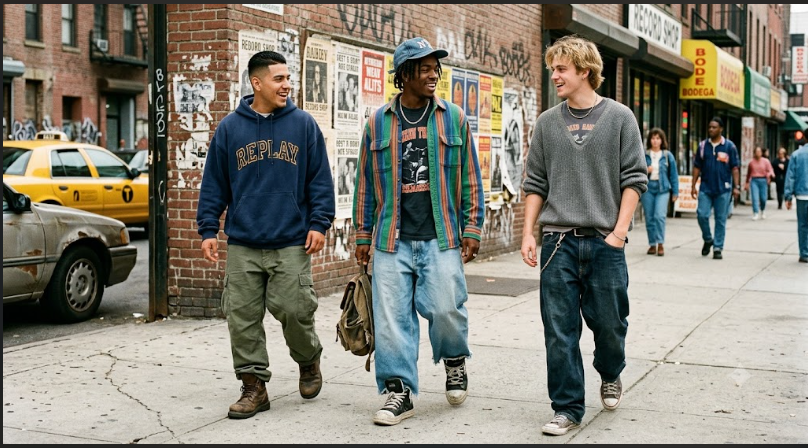
Streetwear brings a more expressive approach to casual clothing. It often includes oversized fits, graphic designs, sneakers, and influences from music and urban culture. This style allows people to make stronger fashion statements through bold colors, unique designs, and limited-edition pieces. However, balance is important because too many statement items can make an outfit feel unorganized.
Smart Casual Style
Smart casual combines relaxed clothing with a more polished appearance. It is often chosen for occasions where formal clothing feels too much but basic casual wear feels too simple. Examples include wearing chinos with a button-up shirt, adding a blazer to jeans, or pairing a sweater with tailored trousers. This style shows that comfortable clothing can still look professional.
How Fit Changes a Casual Outfit
Fit is one of the most important parts of casual dressing. Even expensive clothing can look unappealing if the size and shape do not suit the wearer. Very loose clothing can sometimes appear untidy, while extremely tight clothing may feel uncomfortable and limit movement. The best casual outfits usually have a relaxed but intentional fit. Understanding personal proportions helps create better choices. Someone who prefers oversized clothing should balance larger pieces with simpler items, while fitted clothing often benefits from relaxed layers.
Choosing Colors for Casual Outfits
Color selection can make casual styling easier. Neutral colors create a strong foundation because they can be combined in many ways. Black provides a clean and modern appearance, while white creates freshness and simplicity. Beige, brown, grey, and navy offer softer alternatives that work well throughout different seasons. Adding small amounts of color through jackets, sneakers, accessories, or shirts can make an outfit more interesting without becoming difficult to style.
Casual Fashion Mistakes to Avoid
One common mistake is believing that casual means ignoring appearance. Comfortable clothing still requires attention to cleanliness, condition, and fit. Another mistake is copying trends without considering personal lifestyle. A style that looks impressive online may not be practical for daily activities. Buying too many inexpensive pieces can also create a crowded wardrobe without improving outfit choices. Investing in fewer, better-quality items often creates more styling opportunities.
How to Create a Personal Casual Style
The best casual style reflects the person wearing it. Instead of following every trend, focus on clothing that matches your routine, personality, and comfort needs. Start with basic pieces that you can wear regularly. Then add items that show individuality, such as a favorite jacket, unique sneakers, or accessories. Personal style develops over time. Paying attention to what feels comfortable and looks natural is often more valuable than trying to recreate someone else’s wardrobe.
Conclusion
Casual fashion continues to grow because it fits the way people live today. It allows freedom, comfort, and creativity without requiring complicated rules. A successful casual wardrobe is not built around expensive clothing or constant trend changes. It comes from choosing useful pieces, understanding fit, and creating outfits that feel natural. The most effective casual style is one that looks effortless because it represents the person wearing it. Comfort and confidence remain the foundation of everyday fashion.