Regency fashion is remembered for its graceful shapes, refined details, and romantic appearance. Emerging in the early 1800s, this style introduced a dramatic shift away from the heavy fabrics and structured silhouettes of previous decades. Instead of focusing on exaggerated shapes, Regency clothing emphasized simplicity, movement, and a natural figure. The era became famous for flowing dresses, carefully tailored menswear, delicate accessories, and a connection with writers such as Jane Austen. Although many people today associate Regency style with period dramas, the real fashion of the time reflected changing social ideas, artistic influences, and practical needs.
What Was Regency Fashion?
Regency fashion refers to the clothing styles popular during the late Georgian and early 19th century, particularly around 1795 to 1825. The name comes from the British Regency period between 1811 and 1820, when George, Prince of Wales, acted as Prince Regent before becoming King George IV. The style developed during a time when European fashion moved toward lighter materials and simpler designs. Inspired by classical Greek and Roman art, clothing designers created softer silhouettes that highlighted elegance rather than excessive decoration. For women, the most recognizable feature was the raised waistline placed just below the bust. For men, the focus shifted toward fitted coats, clean tailoring, and polished appearance.
The Empire Waist Dress: The Symbol of Regency Style
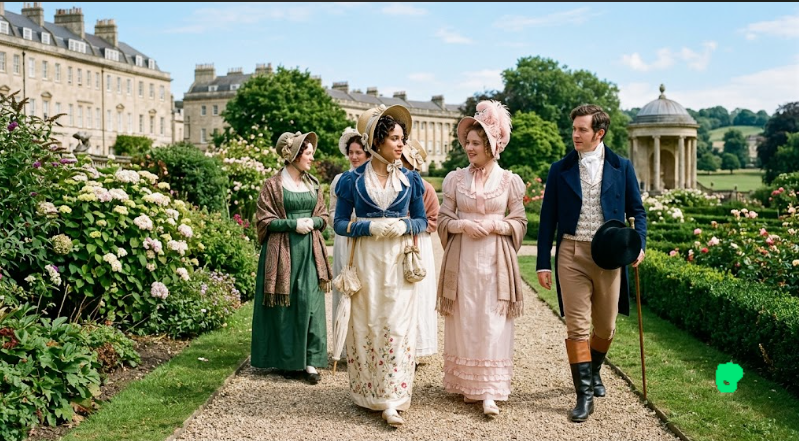
The empire waist dress became the defining piece of Regency women’s fashion. Unlike earlier gowns that shaped the body around the natural waist, these dresses created a longer vertical line by placing the waist higher on the torso. The typical Regency gown featured a fitted upper section, a flowing skirt, and lightweight fabric that moved naturally with the body. Muslin was especially popular because it created a soft, delicate appearance while allowing comfortable movement. Although white dresses are often associated with the period, Regency women wore many colors and patterns. Pastel shades, floral designs, embroidery, and decorative trims were also common, especially among wealthier women attending formal events.
How Women Styled Regency Outfits
A Regency outfit was not complete without carefully chosen accessories. Small details helped create a fashionable appearance and showed personal taste. Women often wore bonnets outdoors, protecting their hairstyles while adding elegance to their clothing. Gloves were common for formal occasions, while small handbags called reticules became necessary because dresses of the period lacked the large pockets found in earlier clothing. Shawls were another important accessory. They provided warmth and added texture to simple dresses, especially when women wore lightweight fabrics in colder weather. Jewelry was usually delicate rather than excessive. Pearls, cameos, ribbons, and simple necklaces were popular choices that matched the refined style of the era.
Regency Hairstyles and Beauty Trends
Hairstyles during the Regency period were influenced by classical art. Women often styled their hair with soft curls, loose waves, and decorative accessories inspired by ancient designs. The beauty ideal focused on a fresh and natural appearance. Heavy makeup was less fashionable compared with earlier periods, and many women preferred a subtle look that emphasized youthfulness and simplicity. Hair ornaments, ribbons, and small decorative pieces allowed women to personalize their appearance while maintaining the elegant style of the period.
Outerwear That Completed the Look
Because many Regency dresses used thin fabrics, outer layers were essential. Women commonly wore garments designed to provide warmth without hiding the fashionable silhouette underneath. The spencer jacket was a short fitted jacket that ended around the waist and worked perfectly with empire dresses. Pelisse coats offered more coverage and were often decorated with embroidery, fur, or detailed buttons. These outer garments were not only practical but also important fashion pieces that helped create a polished appearance.
Men’s Regency Fashion and Tailored Style
Men’s clothing changed considerably during the Regency era. Earlier 18th-century fashion often featured bright colors and elaborate decoration, but Regency men preferred a more controlled and sophisticated appearance. A fashionable gentleman typically wore a tailored coat, waistcoat, white shirt, neckcloth, and fitted trousers. Dark colors such as black, navy, and brown became common choices, while waistcoats provided opportunities for richer colors and patterns. Personal grooming and proper fit became essential parts of men’s style. A well-dressed man was expected to appear neat, confident, and carefully presented.
The Influence of Beau Brummell
Beau Brummell became one of the most influential figures in Regency men’s fashion. He promoted a style based on excellent tailoring, clean clothing, and understated elegance. His approach changed how people viewed men’s fashion. Instead of using expensive decoration to display status, Brummell showed that refinement could come from simplicity, quality, and attention to detail. His influence continued long after the Regency period and helped shape modern ideas about classic menswear.
Regency Fashion and Jane Austen’s World
Regency fashion is closely connected with the novels of Jane Austen. Her stories captured the social settings where clothing played an important part in communication and identity. In Austen’s world, clothing choices could reveal personality, wealth, and social position. A woman’s dress, accessories, and appearance were often part of the way she was judged by society. Modern adaptations of Austen’s novels have helped preserve interest in Regency clothing, although films and television often adjust historical details for visual appeal.
Regency Fashion in Modern Culture
Today, Regency-inspired fashion appears in weddings, costume design, and everyday clothing trends. Modern designers often borrow elements from the era while adapting them for contemporary lifestyles. Empire waist dresses, puff sleeves, pearl accessories, and romantic fabrics have become popular among people who enjoy vintage-inspired fashion. Television productions have also introduced Regency aesthetics to new audiences. While modern interpretations may not always follow historical accuracy, they have helped renew appreciation for the elegance and craftsmanship of the period.
Why Regency Fashion Continues to Inspire
The lasting appeal of Regency fashion comes from its balance between beauty and simplicity. The style avoids excessive decoration while still creating a memorable and elegant appearance. Its influence remains visible because the designs feel timeless. Flowing silhouettes, thoughtful accessories, and well-fitted clothing continue to inspire designers and fashion enthusiasts more than two centuries later. Regency fashion is not just remembered as a historical trend. It represents a moment when clothing began moving toward comfort, individuality, and a more natural expression of personal style.
Conclusion
Regency fashion represents one of the most graceful periods in clothing history. Its softer silhouettes, elegant details, and focus on refinement created a style that continues to capture attention today. Although the original era lasted only a few decades, its influence has remained strong through literature, film, and modern fashion. The appeal of Regency clothing lies in its ability to feel both historical and surprisingly relevant. For anyone interested in vintage style, costume history, or timeless design, Regency fashion offers a fascinating example of how clothing can reflect culture, creativity, and changing ideas of beauty.