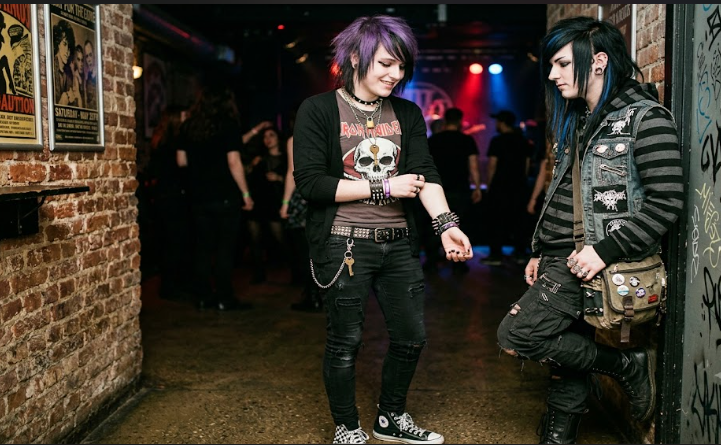
Emo fashion has always been about more than wearing dark clothes or copying a certain look. It developed as a visual expression of alternative music culture, personal feelings, and individuality. From underground scenes in the 1980s to the iconic MySpace-era outfits of the 2000s and today’s modern interpretations, emo style has continued to change while keeping its connection to creativity and identity. Many people discover emo fashion because they want to understand the meaning behind the style, recreate classic outfits, or combine older influences with current trends. While the traditional image includes black skinny jeans, band shirts, and side-swept hair, modern emo fashion has become much broader, mixing vintage, streetwear, punk, and alternative influences.
What Is Emo Fashion?
Emo fashion is an alternative clothing style connected to the emo music scene. The style grew alongside emotional hardcore music and later became associated with a wider youth culture that included clothing, hairstyles, makeup, and accessories. The main idea behind emo fashion has always been personal expression. Instead of following mainstream fashion rules, emo style encourages people to create outfits that represent their personality, interests, and connection to music. Traditional emo outfits often feature dark colors, graphic designs, layered clothing, and accessories with a rebellious edge. However, the style is not limited to black clothing. Many modern emo outfits include colors like red, purple, blue, grey, and even brighter shades.
How Emo Fashion Started
The origins of emo fashion can be traced back to the 1980s when emo music emerged from the hardcore punk scene. During this early period, there was no strict “emo uniform.” Musicians and fans usually wore practical clothing influenced by punk culture. The focus was on authenticity rather than appearance. Simple shirts, jeans, sneakers, and DIY-style clothing represented the independent nature of the music community. As the music developed, the fashion slowly became more recognizable. Different generations added their own influences, creating the styles people associate with emo today.
80s Emo Fashion: The Punk Influence
The earliest emo fashion was closely connected to punk aesthetics. Clothing was usually simple, affordable, and influenced by underground music culture.
Common elements included:
- Basic T-shirts
- Denim jackets
- Straight-leg jeans
- Sneakers
- Handmade or customized accessories
Unlike later versions of emo fashion, 80s styles were not focused on dramatic hairstyles or makeup. The emphasis was on music, community, and individuality.
90s Emo Fashion: A More Alternative Look
During the 1990s, emo fashion began moving away from its pure punk roots. Alternative rock and indie influences introduced a more relaxed and artistic appearance.
The style became less aggressive and more focused on personal taste. Many outfits included:
- Cardigans
- Simple button-up shirts
- Vintage clothing
- Slim jeans
- Band merchandise
- Comfortable sneakers
This period helped create the foundation for the more recognizable emo fashion that became popular in the next decade.
Early 2000s Emo Fashion: The Style Everyone Recognizes
The early 2000s transformed emo fashion from an underground style into a mainstream trend. Music played a major part in this change, with bands such as My Chemical Romance, Fall Out Boy, Paramore, and The Used becoming strongly associated with the culture.
The classic early 2000s emo outfit usually included fitted clothing and darker colors. Popular pieces included:
- Black skinny jeans
- Band T-shirts
- Zip-up hoodies
- Studded belts
- Converse sneakers
- Layered tops
- Wristbands
Hair became one of the strongest symbols of the era. Long side-swept bangs, straightened hair, and darker colors became closely connected with the emo aesthetic.
Female 2000s Emo Fashion
Female emo fashion during the 2000s combined alternative clothing with feminine details. Many girls used fashion as a way to express creativity while connecting with music and youth culture.
Popular outfits included:
- Graphic band shirts
- Black skinny jeans
- Plaid skirts
- Striped tights
- Hoodies
- Chokers
- Converse shoes
Makeup was also an important part of the style. Dark eyeliner, black nail polish, and bold hairstyles became common choices for creating an emo-inspired appearance. Today, many people recreate female 2000s emo fashion by mixing vintage pieces with modern clothing instead of copying the original style completely.
Emo Fashion for Men
Men’s emo fashion became popular because it allowed more freedom in personal style. It challenged traditional ideas about men’s clothing by introducing slimmer fits, jewelry, hairstyles, and makeup.
Typical men’s emo outfits included:
- Skinny jeans
- Band shirts
- Hoodies
- Leather jackets
- Skinny ties
- Canvas sneakers
- Bracelets and rings
The hairstyle was often the most noticeable feature, with layered cuts, straightened hair, and long bangs becoming part of the look.
Different Types of Emo Fashion
Emo fashion has developed into several different styles over time. Each version reflects a different period or influence.
Classic Emo Style
Classic emo fashion is the style most people recognize from the 2000s. It includes band shirts, black jeans, dark accessories, and alternative hairstyles.
Scene-Inspired Emo Fashion
Scene fashion developed around the same period and shared similarities with emo. It added brighter colors, bigger hairstyles, and more playful accessories.
Soft Emo Fashion
Soft emo style creates a more casual version of the aesthetic. It often uses oversized sweaters, simple dark clothing, and minimal makeup.
Modern Emo Fashion
Modern emo fashion combines traditional elements with current trends. Instead of only wearing fitted clothing, many people now use oversized jackets, loose jeans, vintage pieces, and alternative streetwear.
Y2K Emo Fashion and the 2000s Revival
Y2K fashion brought many early 2000s trends back into popularity, including emo-inspired clothing. Younger generations have rediscovered the style through social media, vintage shopping, and alternative fashion communities.
Modern Y2K emo outfits often include:
- Baby tees
- Low-rise jeans
- Layered necklaces
- Platform shoes
- Graphic clothing
- Colorful hair details
The difference today is that people mix emo influences with other styles rather than following one strict formula.
Modern Emo Fashion Trends
Modern emo fashion is more flexible than the original 2000s style. People now combine emo elements with streetwear, grunge, and vintage fashion.
Some popular modern trends include:
Oversized Clothing
Loose hoodies, wide-leg jeans, and oversized jackets have replaced some of the tighter silhouettes from the 2000s.
Vintage Band Clothing
Old band shirts and thrifted pieces remain popular because they connect fashion with music history.
Alternative Accessories
Chains, rings, layered necklaces, and dark accessories continue to be important parts of emo-inspired outfits.
Punk vs Emo Fashion
Punk and emo fashion share similar roots, but their messages are different.
Punk fashion traditionally focuses on rebellion, political expression, and DIY creativity. It often includes leather jackets, ripped clothing, patches, and bold accessories. Emo fashion focuses more on personal expression, emotional themes, and connection to music. While both styles value individuality, they communicate different cultural identities.
Goth vs Emo Fashion
Goth and emo fashion are often confused because both use dark colors, but they come from different backgrounds. Goth fashion is connected to gothic music and often includes dramatic, romantic, or Victorian-inspired clothing. Emo fashion developed from punk and alternative music scenes and is usually associated with band culture and personal expression. Both styles can overlap, but their origins and aesthetics are different.
How to Create an Emo Outfit Today
Creating an emo-inspired outfit does not require copying the exact 2000s look. The best outfits combine classic elements with personal style. A simple modern emo outfit could include a vintage band shirt, dark jeans, sneakers, and silver accessories. For a stronger 2000s-inspired look, combine skinny jeans, a hoodie, layered shirts, and an alternative hairstyle. For a softer version, choose oversized sweaters, darker colors, and subtle accessories.
Why Emo Fashion Remains Popular
Emo fashion continues to attract new audiences because it represents individuality. Unlike many short-lived trends, it is connected to music, memories, and personal identity. The return of 2000s fashion has helped introduce emo style to a younger generation. However, the current version is less about copying the past and more about adapting its ideas for modern tastes.
Common Misunderstandings About Emo Fashion
One common misunderstanding is that emo fashion is only about sadness or negativity. In reality, the style has always been connected to creativity, music, and self-expression. Another misconception is that there is only one correct way to dress emo. The style has changed across decades, and personal interpretation has always been part of its identity.
Conclusion
Emo fashion has changed many times since its beginnings, but its main purpose has remained the same: allowing people to express themselves through clothing. From the punk-inspired styles of the 1980s to the unforgettable looks of the 2000s and today’s modern versions, emo fashion continues to evolve. The strongest part of the style is not a specific outfit or hairstyle. It is the freedom to create a look that feels personal. Whether someone prefers a classic emo appearance, a Y2K-inspired outfit, or a modern alternative style, emo fashion remains a reminder that clothing can represent music, personality, and individuality.