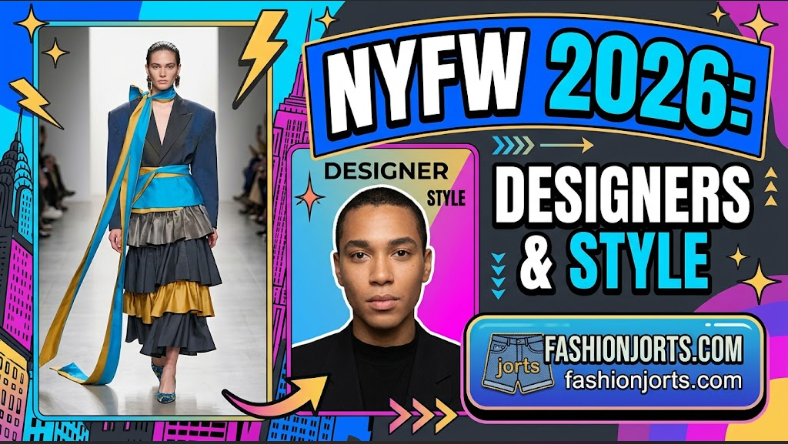
New York Fashion Week is more than a series of runway shows. It brings together creative minds, fashion businesses, models, photographers, and style enthusiasts to celebrate clothing as a form of personal expression. The 2026 season offered another opportunity to see how designers interpret modern lifestyles through fabrics, shapes, colors, and distinctive styling. From established fashion labels to independent designers, the event highlighted different approaches to contemporary clothing. Some collections focused on everyday comfort, while others explored dramatic silhouettes and artistic details. The result was a fashion season that offered something for different tastes, occasions, and audiences. Beyond the runway, the event also created conversations about creativity, responsible fashion, and the future of American design. Understanding these developments helps explain why New York continues to attract attention from the international fashion community.
How New York Fashion Week Brings Fashion Ideas to Life
Fashion Week provides designers with a platform to communicate their creative vision through clothing. Rather than simply displaying individual outfits, runway presentations often tell a story through styling, music, lighting, models, and carefully selected locations. Every element contributes to the overall experience. New York has a distinctive place in this process because its fashion industry connects luxury brands with everyday style. Designers can present sophisticated eveningwear alongside practical clothing, sportswear, and experimental designs. This mixture makes the city’s fashion scene appealing to both industry professionals and ordinary consumers. The event also allows fashion houses to introduce new creative directions. Changes in designers, brand leadership, and artistic inspiration can influence how collections look and feel. For fashion followers, these presentations offer an early indication of ideas that may influence future clothing choices.
The Designers Bringing Fresh Perspectives to NYFW 2026
The strength of a fashion week depends partly on the designers who participate. Established names attract international attention, while independent labels introduce different perspectives and challenge familiar design ideas. Both groups help maintain the variety that makes New York Fashion Week interesting.
Rachel Scott’s Creative Direction at Proenza Schouler
Rachel Scott’s debut as creative director of Proenza Schouler attracted attention during the February edition. Her appointment introduced a new chapter for a label known for contemporary American design. Her experience with her own fashion label, Diotima, also brought another perspective to the brand. Creative leadership changes can affect everything from garment construction to the way a collection communicates with customers. For Proenza Schouler, the debut offered an opportunity to establish a fresh direction while maintaining its connection to New York fashion. It also gave industry observers a reason to follow the brand’s future collections.
Henry Zankov’s Work With Diane von Furstenberg
Henry Zankov opened the September schedule with his debut as artistic director of Diane von Furstenberg. The appointment connected a newer creative voice with a well-established American fashion name. It also brought attention to how fashion houses can develop their identities through new leadership.The relationship between a designer and a historic label requires a balance between individual creativity and brand recognition. New collections must offer something different without losing the qualities that customers associate with the company. This challenge makes creative director appointments particularly interesting to fashion followers.
Established Names Continue to Influence American Style
Ralph Lauren, Michael Kors, Carolina Herrera, and Tory Burch remain recognizable names in American fashion. Their work demonstrates how different brands can serve different audiences while maintaining clear design identities. From tailored clothing to elegant occasionwear, their collections provide useful examples of how designers approach modern dressing. Thom Browne also brings a distinctive approach through precise tailoring and theatrical presentations. His work often explores the relationship between traditional clothing and unexpected proportions. These established designers help maintain New York’s reputation as an important destination for fashion creativity.
How Fashion Designers Turn Inspiration Into Wearable Clothing
A runway collection often begins with an idea, but turning that idea into clothing requires careful planning. Designers consider the intended audience, materials, garment construction, movement, and practical use of each piece. They also decide how individual outfits should work together as part of a larger collection.
Fabric Choices and Garment Construction
Fabric influences how clothing looks, feels, and moves. Lightweight materials can create flowing silhouettes, while heavier textiles provide structure and shape. Designers select materials according to the purpose of each garment and the visual effect they want to achieve. Construction is equally important because even a simple design requires attention to proportion and fit. Stitching, seams, lining, and finishing details affect the final appearance. These decisions help transform an initial sketch into a finished runway piece.
Styling Creates a Complete Look
Accessories, footwear, hairstyles, and makeup help communicate the personality of a collection. A simple outfit can appear completely different when paired with statement jewelry or distinctive shoes. Designers use these details to establish a consistent visual direction across their presentations. Styling also gives audiences ideas about combining individual pieces. A jacket might be presented with relaxed trousers, while a formal dress could be paired with unexpected accessories. These combinations help translate runway creativity into everyday fashion inspiration.
Why Personal Style Matters Beyond the Runway
Fashion Week attracts attention because it offers a chance to see clothing presented in new ways. However, the most useful fashion ideas are often those people can adapt to their own wardrobes. Personal style depends on comfort, lifestyle, preferences, and the occasions for which someone needs clothing.
Building a Wardrobe Around Individual Preferences
A practical wardrobe doesn’t need to follow every new trend. Choosing versatile pieces that work together can make dressing easier and reduce unnecessary purchases. Neutral basics, comfortable footwear, well-fitting trousers, and suitable outerwear can provide a useful foundation.
Statement pieces can then add personality without making every outfit complicated. A distinctive jacket, patterned accessory, or interesting pair of shoes may change the appearance of familiar clothing. The goal is to create combinations that feel natural rather than copying an entire runway look.
Finding Inspiration Without Following Every Trend
Fashion publications, runway galleries, and street-style photography provide different sources of inspiration. Looking at several designers can help readers identify styles they genuinely enjoy. It also makes it easier to distinguish a short-lived trend from a design feature that suits their preferences. Not every runway design is intended for everyday use. Some garments are created primarily for artistic presentation, while others are developed with retail customers in mind. Understanding this difference helps people use Fashion Week as inspiration rather than treating it as a shopping checklist.
The Business Behind New York Fashion Week
Fashion Week also operates as an important business environment. Designers use presentations to introduce collections, attract media coverage, and develop relationships with retail buyers. These connections can influence which products receive attention and eventually become available to customers. For emerging brands, participating in an established fashion event can provide valuable exposure. Meeting buyers, stylists, and journalists may help a designer build professional relationships. However, runway visibility alone doesn’t guarantee commercial success because production costs, pricing, distribution, and customer demand also matter. Fashion businesses must consider what customers will actually purchase. A dramatic runway outfit may attract attention, but individual garments often need adjustments before reaching retail stores. This relationship between creative ambition and commercial practicality is an important part of the fashion industry.
Responsible Fashion and Changing Industry Expectations
The fashion industry faces growing questions about material sourcing, manufacturing practices, and environmental responsibility. Designers and brands are under pressure to explain where their materials come from and how their products are made. These concerns influence both creative decisions and business operations. The CFDA’s fur-free policy for the September 2026 official schedule reflected this changing discussion. It restricted farmed or trapped animal fur, subject to a limited exemption for traditional Indigenous subsistence practices. The policy encouraged participating designers to consider alternatives when developing their collections. Responsible fashion involves more than replacing one material with another. Brands must also consider garment durability, production methods, supply chains, and waste. Consumers can contribute by choosing clothing carefully, looking after existing garments, and avoiding unnecessary purchases.
Conclusion
New York Fashion Week 2026 demonstrated how fashion can connect creativity with everyday life. Designers introduced different interpretations of modern clothing, while new creative appointments brought fresh attention to established fashion houses. The event also encouraged conversations about business, personal expression, and responsible material choices. For fashion enthusiasts, the most valuable takeaway isn’t necessarily a particular outfit or trend. It’s the opportunity to understand how designers use clothing to communicate ideas and respond to changing lifestyles. Those ideas can provide inspiration without requiring anyone to follow every runway trend. As the fashion industry moves into its next season, New York will remain an important place to watch emerging designers and established creative names. Following their collections can help readers discover new styles and make more thoughtful choices about their own wardrobes.