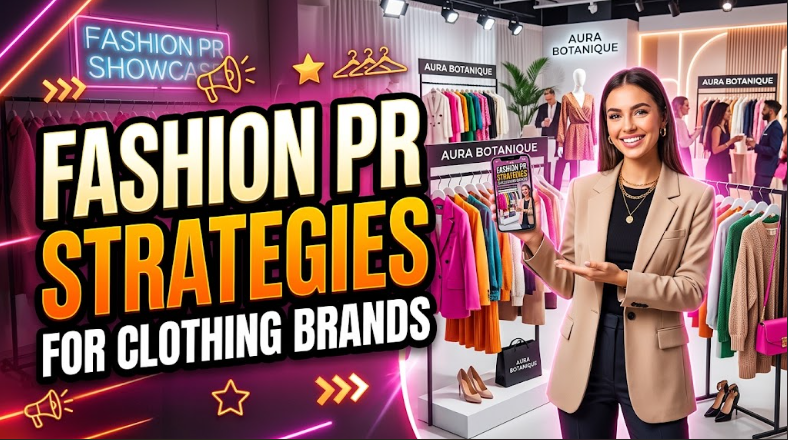
Fashion PR helps clothing brands, designers, and retailers gain public attention and build a reputation people can recognize and trust. A well-planned campaign can introduce a new collection, tell the story behind a designer, or connect a label with editors, stylists, and potential customers. The work goes beyond getting a product featured in a magazine. It involves choosing the right message, building professional relationships, and giving people a reason to talk about a brand. For emerging designers, public relations can help establish credibility without relying entirely on paid advertising. Established labels also use it to maintain their public image, announce new creative projects, and stay relevant to their audiences. Understanding how fashion PR works makes it easier to choose the right approach for a brand’s goals and budget.
What Is Fashion PR?
Fashion PR stands for fashion public relations. It is the process of managing communication between fashion businesses and the people who influence how those businesses are perceived, including journalists, fashion editors, content creators, stylists, retailers, and consumers. The work often centers on telling a brand’s story in a way that interests the intended audience. For example, a designer launching a handmade clothing collection might highlight the materials, design process, and inspiration behind the pieces. A streetwear label might focus on its creative community, collaborations, and connection to music or youth culture. Unlike advertising, which typically involves paying for promotional space, public relations often seeks editorial attention earned through relevant stories and professional relationships. Some campaigns also include paid partnerships, sponsored content, and promotional events.
What Does a Fashion PR Professional Do?
A fashion publicist manages the communication and activities that help a brand gain appropriate attention. Their responsibilities can change throughout the year, particularly around collection launches, fashion shows, seasonal campaigns, and major industry events. Media outreach is one important part of the job. Publicists write press releases, prepare pitches, share product information, and contact journalists who may be interested in covering a collection or interviewing its designer. They may also coordinate product loans for photoshoots, arrange celebrity styling opportunities, organize press previews, and manage invitations to launch events. When a brand faces criticism or an unexpected public issue, the PR team helps prepare accurate responses and communicate with the relevant audiences. Strong organization matters because these activities often involve tight deadlines, multiple contacts, and products that must arrive at specific locations. Clear communication and reliable follow-through can make the difference between a productive professional relationship and a missed opportunity.
Why Fashion PR Matters for Clothing Brands
A clothing brand can have excellent products and still struggle to attract attention. Public relations helps connect its designs with people who may appreciate them, while giving the business opportunities to explain what makes its identity distinctive. Media coverage can introduce a label to readers who have never visited its website. An interview with the founder may explain the inspiration behind a collection, while a stylist’s selection can put the brand’s clothing in front of a new audience. PR can also help a business maintain a consistent reputation. Regular communication about new collections, creative partnerships, and company developments gives customers and industry professionals a clearer understanding of what the brand represents. However, publicity does not automatically produce sales. The product, pricing, customer experience, and relevance of the audience all influence whether increased attention leads to purchases. Brands should treat PR as part of their wider business strategy rather than expecting every media mention to generate immediate revenue.
Different Types of Fashion PR
Fashion businesses use different public relations methods depending on their size, audience, and objectives. A new independent designer may concentrate on digital publications and local industry contacts, while an established label may coordinate international media outreach and large events.
Media and Editorial Relations
Media relations involves building professional connections with journalists, editors, and publishers. Publicists pitch story ideas, share collection details, provide images, and arrange interviews when a publication shows interest. The strongest pitches offer a clear editorial reason to cover the brand. A new design approach, an interesting founder story, or a collection connected to a relevant cultural subject may give a journalist more to work with than a general announcement about new products.
Influencer and Celebrity Partnerships
Fashion PR teams may work with content creators, celebrities, and stylists to introduce clothing to relevant audiences. Activities can include gifting products, lending outfits, arranging event appearances, or coordinating paid campaigns. Choosing a partner requires more than checking follower numbers. A brand should consider audience interests, content quality, public image, and whether the partnership feels credible to potential customers.
Fashion Events and Collection Launches
Events give brands an opportunity to present their work directly to media representatives, buyers, stylists, and other industry contacts. These activities may include collection previews, showroom appointments, fashion shows, and launch gatherings. A successful event needs a clear purpose and careful planning. The guest list, location, product presentation, timing, and follow-up communication should all support the brand’s goals.
Brand Storytelling and Reputation Management
Brand storytelling communicates the ideas and decisions behind a business. It may cover a designer’s background, the development of a collection, a new partnership, or the values that guide the company’s work. Reputation management focuses on how the business responds when questions or problems arise. Honest explanations, accurate information, and timely communication help prevent confusion from becoming a larger public relations issue.
How to Build a Fashion PR Strategy
An effective PR strategy begins with a specific goal. A brand preparing to launch its first collection may want introductions to fashion editors, while a growing retailer may need greater awareness among shoppers in a particular market. The next step is to identify the audience and the people who can help reach it. Research relevant publications, journalists, stylists, creators, and industry events instead of contacting everyone with the same message. A clear story gives those contacts a reason to pay attention. Prepare useful product descriptions, accurate brand information, professional images, and a concise explanation of why the collection or announcement deserves consideration. Once outreach begins, maintain organized records of conversations, responses, product loans, deadlines, and agreed deliverables. Follow up professionally without overwhelming contacts with repeated messages. After the campaign, review the results against the original objective. This process helps the brand understand which approaches worked, where its message reached the right audience, and what it should change next time.
Fashion PR vs. Fashion Marketing
Fashion PR and fashion marketing support a brand’s growth, but they have different primary responsibilities. Marketing often focuses on promoting products, generating demand, and encouraging purchases through advertising, email, social media, and other promotional channels. PR concentrates on public perception, media relationships, brand reputation, and opportunities for credible exposure. For example, a clothing company might run a paid advertisement for a new jacket while its publicist pitches the collection to fashion editors or arranges a styling opportunity. The two functions work well together when their messages are consistent. PR can introduce a brand to new audiences, while marketing helps those audiences explore products, understand offers, and complete purchases.
How Much Does Fashion PR Cost?
The cost of fashion PR depends on the services required, the experience of the publicist, the market, and the campaign’s scale. A small project involving targeted media outreach will usually require fewer resources than a major launch involving event production, celebrity appearances, and extensive sample distribution. Some agencies charge monthly retainers, while independent publicists may offer project-based services. Additional expenses can include photography, sample shipping, event venues, travel, and paid creator partnerships. Before signing an agreement, ask what the fee covers, which deliverables are included, how often results will be reported, and whether outside expenses require separate payment. No agency can guarantee that a journalist will publish a story or that a campaign will produce a particular number of sales.
How to Measure Fashion PR Results
The number of media mentions offers only a partial view of a campaign’s performance. A brand also needs to understand whether those mentions reached the right audience and communicated the intended message. Useful measures include the relevance of publications, the quality of coverage, referral visits to the website, engagement with campaign content, and enquiries from potential customers or retail partners. Tracking links and campaign-specific landing pages can help connect publicity with measurable website activity. Sales may also be relevant, but they rarely tell the entire story. A campaign designed to build awareness or introduce a new designer may need to be assessed over a longer period than a product promotion intended to generate immediate purchases.
Common Fashion PR Mistakes to Avoid
One common mistake is sending generic messages to journalists without considering their interests. A personalized pitch that explains why a story suits a publication is more useful than an email filled with promotional language. Another is selecting influencers solely because they have large audiences. A smaller creator with a strong connection to the brand’s customers may be a better fit than a celebrity whose followers have little interest in the products. Unrealistic expectations can also cause problems. Media coverage takes time, editors make independent decisions, and a successful campaign may not produce immediate sales. Brands should focus on relevant opportunities, truthful communication, and measurable progress rather than treating publicity as a guaranteed shortcut to growth.
Conclusion
Fashion PR is about creating meaningful connections between a brand and the people who can influence its reputation. Media coverage, creator relationships, thoughtful events, and clear storytelling can all help a fashion business earn attention for the right reasons. The most suitable approach depends on the brand’s current position and what it wants to achieve. An emerging designer may benefit from a focused media campaign, while an established company may need coordinated communication across several channels. Start with a clear story, identify the people most likely to care about it, and measure the results honestly. Consistent, relevant communication gives a fashion brand a stronger foundation for building recognition and maintaining trust over time.