The 60s fashion era remains one of the most recognizable periods in clothing history. It was a decade when fashion moved away from strict traditions and embraced creativity, youth culture, and personal expression. The clothes people wore reflected major changes happening in society, from new music movements to changing ideas about identity and freedom. Unlike many decades with one dominant style, the 1960s offered many different looks. The early years were known for polished elegance, the middle years introduced bold mod designs, and the late 1960s brought relaxed hippie influences. Together, these styles created a fashion legacy that continues to inspire designers and vintage lovers today.
The Changing Face of 1960s Fashion
The beginning of the 1960s still carried the refined influence of the previous decade. Clothing was structured, carefully styled, and focused on a sophisticated appearance. Women often wore tailored dresses, matching suits, and elegant accessories, while men preferred classic suits and formal clothing. As the decade progressed, younger generations began influencing fashion more than ever before. Teenagers and young adults wanted clothing that represented independence and individuality. Designers responded with shorter skirts, brighter colors, experimental shapes, and more casual options. By the end of the decade, fashion had become a form of self-expression. People used clothing to show their personality, beliefs, and connection with cultural movements.
Early 60s Fashion: Elegance and Classic Style
Early 60s fashion was known for its refined and graceful appearance. Women’s clothing focused on clean shapes, feminine details, and a polished finish. Dresses often had simple silhouettes, while suits and jackets created a sophisticated look suitable for both social events and everyday wear. One of the biggest style influences of this period was Jacqueline Kennedy. Her wardrobe of pastel suits, pillbox hats, pearls, and oversized sunglasses became a symbol of modern elegance. Her style showed that fashion could be simple while still making a strong impression. Men’s fashion during the early 1960s remained traditional. Slim suits, narrow ties, leather shoes, and neatly styled hair represented the popular masculine look of the time.
60s Fashion Women: Dresses, Skirts and New Freedom
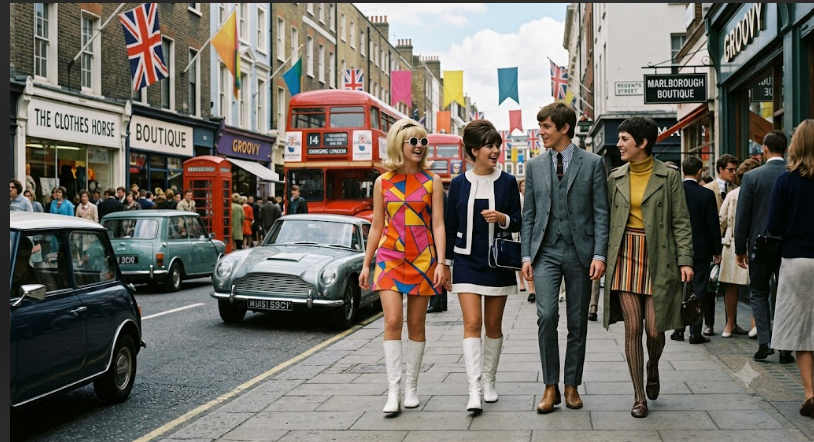
Women’s fashion changed dramatically throughout the decade. The traditional fitted styles of earlier years were replaced by clothing that felt younger, easier, and more experimental. The mini skirt became one of the most famous symbols of 60s fashion. Designers such as Mary Quant helped popularize shorter hemlines, especially through London’s mod scene. The style represented confidence and a new attitude toward women’s clothing. Shift dresses also became extremely popular. Their straight shape offered comfort while allowing designers to experiment with bright colors, geometric patterns, and unique fabrics. A-line dresses, colorful tights, boots, and statement accessories became important parts of a woman’s wardrobe.
Popular 60s Fashion Clothes and Everyday Styles
Not every outfit in the 1960s was designed to attract attention. Everyday clothing focused on comfort, practicality, and simple styling. Women commonly wore sweaters with skirts, casual dresses, cardigans, flats, and modest accessories for daily activities. These outfits were easy to wear while still reflecting current trends. Men often chose trousers, button-down shirts, sweaters, jackets, and casual shoes. Denim also became increasingly popular, especially among younger people who wanted a relaxed alternative to formal clothing. The decade helped make casual fashion more accepted. Clothing was no longer limited to strict rules about what people should wear in different situations.
Mod Fashion and the Youth Movement
The mod movement became one of the defining styles of the 1960s. Originating in London, mod fashion celebrated modern design, clean lines, and youthful energy. Women’s mod outfits often included mini dresses, geometric prints, knee-high boots, and bold accessories. Men’s mod clothing featured slim suits, fitted shirts, Chelsea boots, and stylish hairstyles. Music played a major part in spreading this trend. Bands and performers influenced how young people dressed, turning fashion into a connection between music, lifestyle, and identity.
60s Fashion Men: From Traditional Suits to Bold Looks
Men’s fashion experienced a major transformation during the 1960s. At the beginning of the decade, men’s clothing was still formal and conservative. However, younger men began challenging traditional expectations. Slim-fitting suits became popular, especially among musicians and fashion-conscious young men. Later, brighter colors, patterned shirts, longer hairstyles, and creative combinations became more common. The rise of rock and pop culture encouraged men to experiment with clothing. Fashion became less about following rules and more about showing confidence and personality.
Groovy 60s Fashion Men and the Peacock Style
The later years of the decade introduced a more colorful approach to men’s clothing. This period is often connected with the “Peacock Revolution,” when men embraced decorative and eye-catching styles. Popular choices included velvet jackets, floral shirts, wide collars, colorful trousers, and patterned suits. These outfits reflected the influence of music festivals, nightlife, and changing cultural attitudes. The idea of men wearing expressive clothing became an important step toward modern fashion freedom.
Late 60s Fashion and the Hippie Movement
Late 60s fashion looked very different from the beginning of the decade. As social movements grew, many people moved away from polished styles and adopted more relaxed clothing. Hippie fashion became one of the strongest trends of the period. It focused on individuality, creativity, and a connection with nature. Clothing often featured natural fabrics, handmade details, and designs inspired by different cultures. Bell-bottom jeans, tie-dye shirts, flowing dresses, embroidered clothing, fringe jackets, and long skirts became popular symbols of the hippie movement.
Hippie 60s Fashion: Freedom Through Clothing
Hippie fashion was not just about appearance. For many people, clothing represented a lifestyle and a rejection of traditional expectations. Women often wore maxi dresses, loose blouses, headbands, and handmade jewelry. Men adopted denim, leather jackets, colorful shirts, and longer hairstyles. The movement also encouraged people to customize their clothing instead of simply buying expensive fashion items. Personal creativity became more important than following trends.
Retro 60s Fashion in Modern Style
The influence of 60s fashion continues to appear in modern clothing collections. Designers frequently return to the decade’s simple shapes, bold prints, and memorable accessories. Modern versions of 60s-inspired fashion often include mini dresses, vintage-style boots, oversized sunglasses, flared trousers, and retro patterns. These pieces are usually combined with contemporary clothing to create a balanced look. The appeal of the decade comes from its variety. Someone can choose the elegance of early 1960s style, the energy of mod fashion, or the relaxed feeling of hippie clothing.
Why 60s Fashion Still Matters Today
The 1960s changed fashion by giving people more freedom to choose how they wanted to look. It was a time when young people, musicians, and cultural movements became powerful influences on style. The decade introduced many designs that remain familiar today because they combine creativity with practicality. From simple shift dresses to expressive menswear, many 60s ideas continue to return in modern fashion. For anyone interested in vintage clothing, the 1960s offers endless inspiration. It was a decade that proved fashion could be more than clothing; it could represent personality, change, and individuality.
Conclusion
60s fashion was a turning point that changed how people viewed clothing. It moved from traditional elegance toward creativity, experimentation, and personal expression. The decade gave rise to many styles, from polished early 1960s outfits to colorful mod designs and relaxed hippie clothing. Each movement reflected a different part of society and helped shape modern fashion. Today, the influence of the 1960s remains clear because its best ideas continue to feel fresh. Whether through vintage-inspired outfits or small fashion details, the spirit of the decade continues to live on