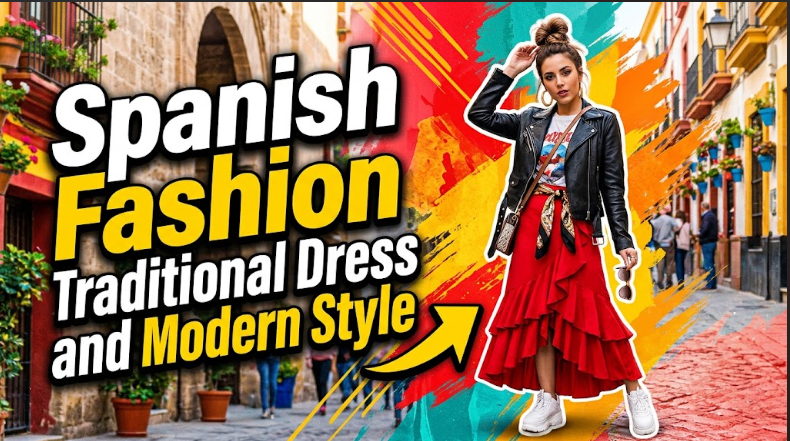
Spanish fashion brings together expressive colors, elegant tailoring, traditional craftsmanship, and contemporary street style. From flowing dresses and decorative shawls to structured jackets and relaxed everyday outfits, clothing in Spain reflects a wide range of influences. Some styles are closely connected to regional celebrations, while others focus on comfort, simplicity, and modern design. Understanding these differences makes it easier to appreciate Spanish clothing and adapt its most appealing elements to your own wardrobe.
How Spanish Fashion Developed
Spain has a long history of clothing traditions shaped by regional customs, artistic movements, and changing social expectations. Historical garments often featured carefully constructed shapes, rich fabrics, embroidery, and accessories that reflected the wearer’s status and the occasion. Over time, these influences developed alongside changing tastes and new approaches to dressmaking. During the twentieth century, Spanish designers gained international attention for their craftsmanship and distinctive ideas about clothing. Their work helped establish Spain as an important source of couture and ready-to-wear design. Today, traditional references continue to appear in modern collections, although many designers interpret them through contemporary cuts, fabrics, and styling.
Traditional Spanish Clothing and Regional Identity
Traditional clothing in Spain differs from one region to another. Local celebrations, dance traditions, and historical customs have influenced the garments worn for special occasions, creating styles that carry meaning beyond their appearance. These outfits are still visible at festivals and cultural events, where clothing helps preserve local identity.
Flamenco Dresses
The flamenco dress is one of the most recognizable examples of Spanish traditional clothing. Known as a traje de flamenca, it commonly features a fitted bodice, a flowing skirt, and decorative ruffles that create movement while dancing. Floral patterns, polka dots, and bright colors are popular choices, although designs vary from year to year. Accessories often include large earrings, flowers in the hair, and shawls that complement the dress. Modern versions may use lighter fabrics, different sleeve shapes, or less traditional color combinations. Although the dress is closely associated with Andalusia, it should not be mistaken for everyday clothing worn throughout Spain.
The Mantilla and Traditional Accessories
The mantilla is a delicate veil traditionally worn over the head and shoulders, often with a decorative comb called a peineta. It is associated with certain formal and religious occasions and is valued for its graceful appearance. Lace, careful styling, and understated accessories help create its distinctive look. Other traditional accessories include embroidered shawls, decorative fans, and regional jewelry. Their designs can vary according to local customs and the occasion. These details show how a small accessory can communicate cultural heritage while completing an outfit.
The Defining Features of Spanish Style
Spanish style includes more than decorative dresses and bright colors. Well-cut clothing, expressive details, and thoughtful combinations of textures can all contribute to its appeal. The balance between statement pieces and simple basics is especially useful when adapting these influences to everyday outfits. Color can make a strong difference. Red, black, white, and floral patterns are familiar in flamenco-inspired clothing, while contemporary outfits may use beige, navy, brown, denim, and other understated shades. Choosing one noticeable color or print can add character without making the entire outfit feel busy. Silhouette also matters. Fitted jackets, flowing skirts, wide-leg trousers, and structured coats create different effects depending on how they are combined. Leather shoes, belts, handbags, and earrings can provide a finishing touch without competing with the main clothing pieces.
Spanish Fashion Designers Who Made an Impact
Spanish designers have contributed to fashion through their attention to construction, distinctive silhouettes, and willingness to explore different approaches to clothing. Their work ranges from traditional couture techniques to expressive contemporary collections.
Cristóbal Balenciaga
Cristóbal Balenciaga is one of the most influential figures in Spanish fashion history. He became known for his precise dressmaking, sculptural shapes, and ability to create striking silhouettes through the cut of a garment. Rather than relying only on decoration, his designs demonstrated how construction and proportion could define an entire look. His influence continues to be recognized in fashion education, museum collections, and the work of designers who experiment with shape. Balenciaga’s career also helped bring Spanish design traditions to an international audience.
Manuel Pertegaz and Pedro Rodríguez
Manuel Pertegaz and Pedro Rodríguez were important contributors to Spanish haute couture. Their work emphasized formal dressmaking, refined details, and carefully developed silhouettes suitable for elegant occasions. They helped build a strong reputation for Spanish couture during a period when international fashion was undergoing major changes. Their legacy offers another perspective on Spanish fashion beyond its most recognizable traditional costumes. It highlights the importance of craftsmanship, fabric selection, and the relationship between a garment’s shape and the person wearing it.
Contemporary Spanish Design
Modern Spanish designers explore a broad range of styles, from minimalist clothing to experimental runway pieces. Some draw on historical garments, while others focus on relaxed tailoring, unusual proportions, or new interpretations of gender and personal expression. This variety allows contemporary Spanish fashion to remain connected to its history without being limited by it.
What Spanish Fashion Looks Like Today
Everyday clothing in Spain varies according to location, season, lifestyle, and personal taste. In cities such as Madrid and Barcelona, people wear everything from denim and sneakers to tailored workwear, flowing dresses, and designer clothing. Traditional costumes are generally reserved for particular cultural events rather than daily activities. Warm weather often encourages lightweight fabrics, breathable shirts, linen trousers, and comfortable dresses. During cooler months, coats, knitwear, boots, and layered outfits become practical choices. These seasonal combinations offer a useful starting point for anyone who wants clothing that looks polished without sacrificing comfort. Modern Spanish style also shows that an outfit does not need to be elaborate to feel distinctive. A simple jacket with well-fitting jeans can look complete with the right shoes and accessories. Personal styling matters more than copying a specific outfit from a fashion photograph.
How to Create a Spanish-Inspired Outfit
Start with versatile clothing that fits well and suits your daily routine. Straight-leg trousers, a fitted blazer, a simple shirt, or a midi dress can form the foundation of several different looks. Choose fabrics that feel comfortable and allow you to move naturally throughout the day. Next, introduce one detail associated with Spanish design. A ruffled skirt, floral pattern, red accessory, decorative shawl, or pair of statement earrings can add personality without overwhelming the outfit. If you prefer a minimalist appearance, focus on clean tailoring and leather accessories instead of bold prints. Consider the occasion before choosing your final combination. A relaxed daytime outfit may call for flat sandals and a lightweight bag, while an evening look might work better with structured outerwear, elegant shoes, and more noticeable jewelry. The best approach is to adapt the elements you like rather than trying to reproduce traditional dress from head to toe.
Conclusion
Spanish fashion offers a broad range of ideas, from regional clothing traditions to carefully tailored modern outfits. Its history demonstrates how craftsmanship and cultural identity can influence clothing across generations, while contemporary design shows that these influences can evolve with changing tastes. You do not need a traditional costume to appreciate Spanish style. A well-cut jacket, a flowing dress, an expressive print, or a carefully chosen accessory can provide inspiration for a wardrobe that feels personal and practical. The key is to choose clothing that suits your lifestyle and combine distinctive details with pieces you already enjoy wearing. This creates a more natural interpretation of Spanish fashion than following trends without considering comfort or individual preference.