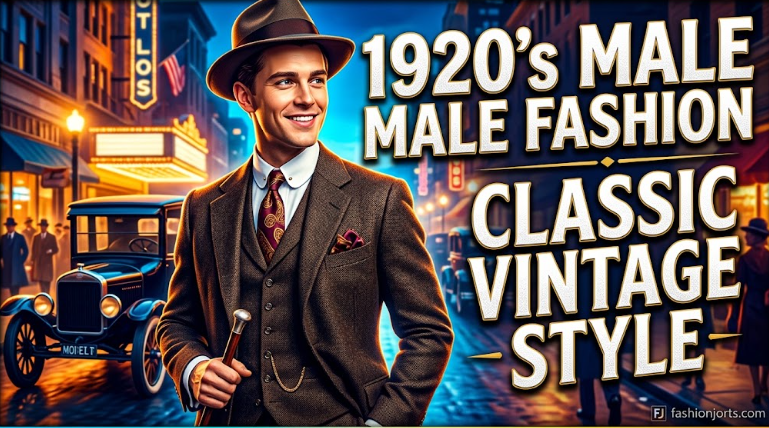
Men’s fashion in the 1920s brought together sharp tailoring, practical clothing, and a new interest in personal style. A well-dressed man might wear a three-piece suit to work, change into comfortable knitwear for the weekend, or choose a sporty outfit for an afternoon outdoors. These choices reflected a decade in which traditional dress remained important while casual clothing became more visible. From the cut of the trousers to the shape of a hat, small details helped define a man’s appearance.
The Changing Style of Men in the 1920s
The years after the First World War brought changes to social life, entertainment, and clothing. Men still valued neat, tailored outfits, but many began choosing garments that offered greater comfort during everyday activities. Jackets became less essential for some informal occasions, and sweaters provided a practical alternative to a full suit. Fashion also depended on where a man lived and what he did for a living. Office workers often dressed differently from factory workers, university students, and sportsmen. This variety is central to understanding the decade’s style.
Essential Clothing Pieces From the 1920s
Tailored Jackets and Waistcoats
A tailored jacket gave an outfit structure, while a waistcoat added a traditional finishing touch. Matching three-piece suits were suitable for business meetings, formal gatherings, and other occasions that called for a polished appearance. Men who preferred a less formal look could wear a jacket with contrasting trousers. Wool and tweed were practical choices for cooler weather, while lighter fabrics suited warmer days. Subtle checks and stripes offered variety without overwhelming the outfit. The best combinations looked coordinated rather than excessively decorative.
High-Rise Trousers and Fuller Cuts
Trousers worn during the decade generally sat higher on the waist than many modern styles. Suspenders helped hold them in place, and pleats provided additional room through the front. Some designs had relatively narrow legs, while others featured a noticeably fuller cut. Oxford bags became associated with young British university students during the middle of the decade. Their exceptionally wide legs created a relaxed silhouette that stood apart from conventional business trousers. For a vintage-inspired outfit, fuller high-waisted trousers can reproduce this shape without requiring an exact historical reproduction.
Shirts and Neckties
A clean shirt helped establish the tone of an outfit. White shirts worked well with formal suits, while striped designs introduced variety for everyday wear. Neckties and bow ties added color through patterns such as dots, stripes, and paisley. Collars also influenced the overall appearance. Softer styles offered a more relaxed alternative to the stiff collars associated with earlier formal dress. A simple shirt and tie combination could look refined without the need for elaborate accessories.
Hats and Footwear
Hats were familiar accessories for men heading to work, attending social events, or spending time outdoors. Felt hats suited many tailored outfits, while flat caps worked naturally with tweed jackets and practical clothing. Straw boaters offered another option for summer occasions. Footwear completed the look. Leather Oxford shoes and brogues complemented suits, while sturdy shoes served men whose work demanded greater durability. Choosing footwear that matched the occasion was just as important as selecting the right jacket or trousers.
Sporting Clothes and the Influence of Leisure
Sport helped broaden men’s clothing choices during the 1920s. Golfers and other outdoor enthusiasts wore garments that allowed easier movement, including loose knickerbockers, long socks, sweaters, and soft jackets. These outfits combined comfort with a distinctive appearance. Patterned knitwear became particularly recognizable in collegiate and country-inspired clothing. Diamond-patterned sweaters, textured cardigans, and sweater vests could be paired with trousers for informal gatherings. This style remains useful today because individual pieces can be worn separately rather than purchased as a complete vintage outfit.
How Everyday Fashion Differed by Social Class
Not every man could afford fashionable suits or multiple changes of clothing. Many relied on durable garments suited to their occupations, while wealthier men had more opportunities to follow changing trends. A factory worker’s practical trousers and work shirt served a different purpose from a businessman’s tailored suit. Regional differences mattered as well. British collegiate clothing, American city style, and fashionable clothing associated with the Harlem Renaissance each had their own influences. Treating all these styles as identical overlooks the people and communities who helped shape the decade’s fashion.
How to Wear 1920s-Inspired Clothing Today
You can recreate the period’s style using modern garments with similar cuts and materials. Start with high-waisted trousers, a collared shirt, and a structured jacket. Add a waistcoat for a more formal outfit or substitute a patterned sweater for a relaxed daytime appearance. Accessories should support the overall look rather than dominate it. A flat cap, leather brogues, or a simple pocket square can provide enough vintage character without making the outfit resemble a stage costume. Pay attention to fit, since trousers that sit at the correct height and a jacket with balanced proportions often make a greater difference than extra accessories. For a themed party, a three-piece suit and felt hat create a recognizable period-inspired appearance. For everyday wear, a tweed jacket, plain shirt, and fuller-cut trousers offer a more understated interpretation.
Conclusion
The appeal of 1920s men’s fashion lies in the relationship between structure and comfort. Tailored suits offered a formal appearance, while fuller trousers and sporting clothes gave men alternatives for less formal occasions. The decade’s clothing was varied, practical, and closely connected to the activities and social settings of everyday life. You don’t need to reproduce an entire historical wardrobe to capture its character. Choose a few pieces with period-inspired proportions, keep the colors coordinated, and let the clothing speak for itself.