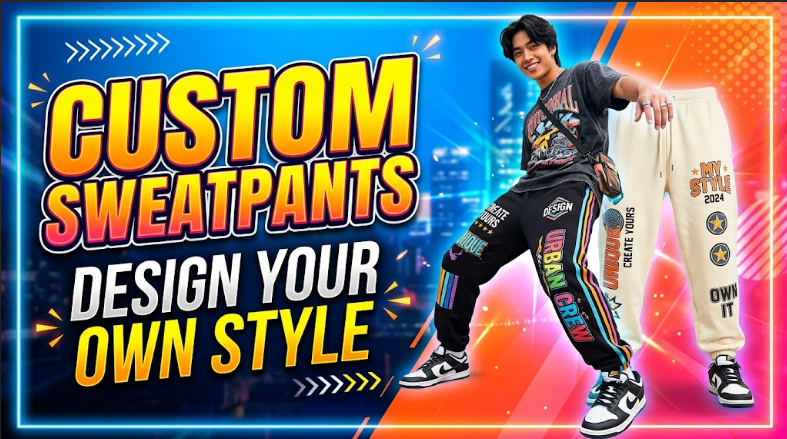
A good pair of sweatpants is easy to wear, but a personalized pair can say something about the person wearing it. Whether you want a small logo, a bold graphic, your name, or artwork that you created yourself, custom sweatpants give you the freedom to make ordinary casualwear more personal. They’ve also become useful beyond individual fashion. Small clothing brands, sports teams, schools, gyms, businesses, and creators can use personalized sweatpants to build matching collections or merchandise. The challenge is choosing a comfortable garment and a customization method that actually suits the design.
What Makes Custom Sweatpants Different?
The main difference is control. Instead of buying a finished design, you can decide what appears on the garment and, depending on the supplier, where it goes. Some options focus mainly on decoration, allowing you to choose a blank pair and add your artwork. Others provide greater control over colors, materials, labels, pockets, cuffs, and other details. This means a personalized pair can be as simple as a tiny embroidered logo or as distinctive as a full streetwear design. The best choice depends on how much control you need. Someone ordering a pair for personal use may only care about the artwork and fit, while a fashion brand needs to think about consistency across an entire collection.
Why Personalize Your Sweatpants?
Personalized clothing can solve a simple problem: finding something that doesn’t look exactly like everything else. A custom design can represent a favorite phrase, an inside joke, a personal illustration, a company identity, or a creative idea. For someone building a clothing collection, sweatpants can also complement hoodies, jackets, shirts, and other pieces without requiring an entirely new type of garment. There’s a practical side, too. Matching sweatpants can give a team or group a consistent appearance. Businesses can use them as staff apparel or promotional merchandise, while creators can turn original artwork into products their audience can actually wear.
Choosing a Style That Works for You
Before thinking about graphics, decide what kind of sweatpants you actually want to wear. A great design won’t compensate for pants that are uncomfortable, poorly fitted, or unsuitable for the weather. Traditional sweatpants tend to have a relaxed shape and are often chosen for lounging or everyday comfort. Joggers usually narrow toward the ankle and can create a cleaner, more fitted appearance. Neither style is automatically better; the right choice depends on how you plan to use them. Fabric matters just as much. A soft fleece construction can be useful in colder conditions, while lighter fabrics can make more sense for indoor wear, travel, or warmer weather. If you’re ordering online, check the fabric description and sizing information instead of judging the garment entirely from photographs.
Finding the Right Place for Your Design
Where the artwork sits can completely change the appearance of the finished pair. A small logo positioned around the upper thigh gives a relatively understated look. A design running vertically down the leg is much more noticeable and can work particularly well for streetwear. Text can also be positioned near a pocket, although the available space will depend on the garment’s construction. Think about how the sweatpants will look while someone is standing and walking, not just how they appear in a flat product preview. A graphic that is too large can dominate the garment, while one that is too small may lose the impact you wanted. For a first order, keeping the design relatively simple is often the safer choice. Once you know how the garment and printing process perform, you can experiment with more complicated layouts.
Picking Between Printing and Embroidery
Your artwork should influence the decoration method. Printed designs are generally more flexible when you’re working with illustrations, photographs, gradients, or multiple colors. They can also cover larger areas without adding the raised texture associated with stitching. Embroidery has a different character. Thread creates a physical texture that can work particularly well for initials, simple logos, and understated branding. It isn’t ideal for every image, though, because extremely fine details may need to be simplified before they can be stitched cleanly. Screen printing is another option, particularly for bold artwork and larger orders. The important thing isn’t choosing whichever technique sounds most advanced. It’s matching the method to the artwork, fabric, quantity, and appearance you want.
How to Prepare Your Design
A strong final product starts with a properly prepared file. If you’re submitting artwork, use the file type and resolution requested by the customization company. Low-quality artwork can produce blurry edges or disappointing details, particularly when the design is enlarged. Transparent backgrounds can also matter when you’re printing a logo or illustration onto colored sweatpants. You don’t want an unwanted rectangular background surrounding an otherwise clean graphic. Pay attention to small text as well. A phrase that looks perfectly readable on your computer monitor may become difficult to read once it’s reduced to a few inches on the garment. Before approving the order, examine the preview carefully. Check spelling, proportions, orientation, colors, and placement. A few minutes spent reviewing the design can prevent an expensive mistake.
Custom Sweatpants for Clothing Brands
For an emerging fashion label, sweatpants can be a useful part of a collection because they’re familiar, wearable, and relatively easy to style with other casual pieces. The brand doesn’t necessarily need an enormous graphic. A carefully placed logo, distinctive typography, or recognizable design element can create a stronger identity than covering the entire garment with branding. Consistency becomes especially important if you’re producing multiple products. The logo should have the same proportions and visual treatment across different garments, while colors should be checked carefully because fabric can affect how they appear. If you’re testing a new idea, starting with a small quantity can also reduce the risk of being left with inventory that customers don’t want.
Custom Sweatpants for Teams and Groups
Matching apparel doesn’t have to look like a traditional uniform. Teams, clubs, schools, gyms, and event groups can create designs that feel more like everyday clothing while still giving everyone a shared visual identity. Names and numbers can make identical garments easier to personalize. A group might use one logo on every pair while allowing individual members to choose their own name or number. For larger orders, consistency is critical. Confirm every size, spelling variation, color, and placement before production begins. One incorrect detail can become much more frustrating when it appears across dozens of garments.
What Affects the Price?
The price of personalized sweatpants depends on more than the base garment. Fabric quality, garment weight, size, design complexity, number of printed areas, decoration method, quantity, and shipping can all affect the final amount. A single customized pair may have a higher cost per item than a larger production order. On the other hand, ordering too many pieces simply to obtain a lower unit price can create unnecessary inventory. For personal orders, compare the complete price rather than focusing on the advertised starting figure. For businesses, calculate the total cost per finished garment, including production and delivery, before setting a retail price.
Mistakes That Can Ruin a Custom Order
One common mistake is choosing a design without considering the shape of the garment. Sweatpants have seams, pockets, cuffs, and curved areas that can affect how artwork appears. Another is selecting a garment based only on appearance. Product photographs don’t tell you everything about fabric weight, softness, stretch, or fit. Reading the garment specifications and checking measurements can prevent unpleasant surprises. Don’t overlook the sample stage either. If you’re developing products for a brand, testing one finished garment before placing a large order can reveal problems that a digital mockup won’t show.
How to Make Custom Sweatpants Look Better
Good customization usually comes from restraint rather than adding as many elements as possible. A clean logo, well-sized graphic, or carefully selected piece of typography can make a stronger impression than several competing designs. Contrast is also important. Your artwork needs to remain visible against the fabric without looking disconnected from the rest of the garment. Think about the color of the sweatpants, the scale of the artwork, and how the piece will be styled with other clothing. Most importantly, design for the person who will wear the garment. Comfortable sweatpants with a thoughtful design are more likely to become part of someone’s regular wardrobe than a complicated piece that looks interesting only in a product photo.
Conclusion
Custom sweatpants give you the chance to turn a familiar everyday garment into something more personal. The customization itself is only part of the process; the garment’s fit, fabric, artwork, and placement all contribute to the final result. For personal use, focus on comfort and a design you’ll genuinely enjoy wearing. If you’re creating merchandise or launching a clothing line, pay closer attention to consistency, production quality, and the total cost of each finished piece. Start with a clear idea, choose the garment carefully, and don’t rush the artwork approval. A thoughtful design on a well-made pair of sweatpants can be simple, distinctive, and genuinely wearable.