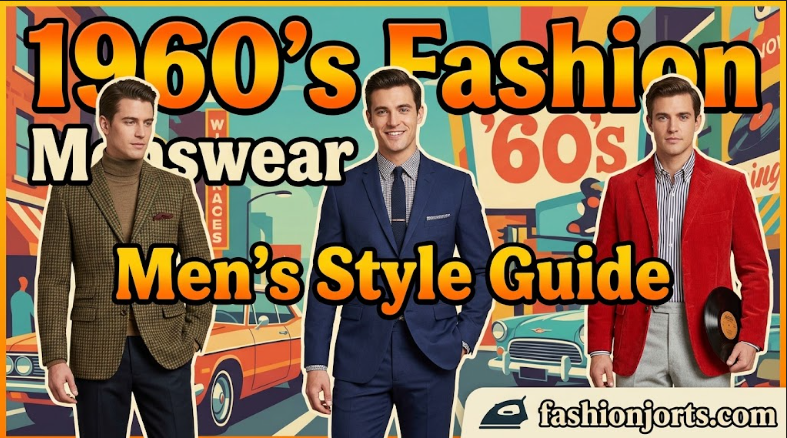
The 1960s was a decade when men’s fashion moved away from strict traditions and started embracing individuality. At the beginning of the era, men still followed classic rules of dressing with tailored suits, formal shirts, and polished shoes. By the end of the decade, clothing had become more expressive, with bold patterns, relaxed fits, longer hair, and styles influenced by music and youth culture What makes 1960s menswear memorable is the variety. A businessman in a sharp suit, a young Mod wearing Chelsea boots, and a musician in a colorful jacket could all represent the fashion of the same decade. The period created a balance between elegance and experimentation that continues to influence men’s clothing today.
The Early 1960s: A Time of Sharp Suits and Traditional Style
The first years of the 1960s still carried the refined style of the 1950s. Men’s clothing focused on looking professional, clean, and well put together. Suits were a major part of everyday life, especially for office workers and businessmen. However, the shape of suits began to change. Instead of the wider cuts seen in previous decades, men started wearing slimmer jackets, narrower lapels, and trousers with a cleaner silhouette. The overall look became more youthful and modern.
Popular early 1960s menswear included:
- Slim two-piece suits
- Narrow ties
- Button-down shirts
- Wool jackets
- Leather dress shoes
- Simple hairstyles
This style represented confidence and sophistication, creating the foundation for many fashion trends that followed.
The Rise of Ivy League and Casual Menswear
During the 1960s, men began looking for clothing that felt less formal but still appeared stylish. Ivy League fashion became popular because it offered a smart alternative to traditional suits. This style came from American college culture and focused on comfortable pieces that could be mixed together. Men wore Oxford shirts, chinos, sweaters, loafers, and sport coats for a relaxed but polished appearance. The popularity of this style showed a major change in men’s fashion. Clothing was no longer only about following workplace expectations; it was also about personal taste and lifestyle.
Mod Fashion Changed Young Men’s Style
One of the strongest influences on 1960s menswear was the Mod movement. Beginning in Britain, Mod fashion represented a younger generation that wanted something fresh, stylish, and different.
The Mod look was known for:
- Fitted suits
- Slim trousers
- Chelsea boots
- Turtleneck sweaters
- Bold shirts
- Short jackets
- Clean hairstyles
London became a center for this movement, with young men using fashion to express their connection to music, nightlife, and modern culture. Unlike older styles that focused on blending in, Mod fashion encouraged men to stand out.
How Music Influenced 1960s Men’s Fashion
Music and fashion became closely connected during the 1960s. Popular musicians were not only entertainers but also style influences for millions of fans. The Beatles had one of the biggest impacts on men’s clothing during this period. Their early matching suits, Beatle boots, and distinctive haircuts became widely copied. Later, their style became more relaxed and experimental, with colorful clothing and unique patterns. Other musicians, including Mick Jagger and Jimi Hendrix, pushed fashion further by wearing creative outfits, bright colors, and unusual combinations. Music gave men permission to experiment with their appearance and helped make fashion a form of self-expression.
The Peacock Revolution and More Expressive Clothing
By the middle and late 1960s, men’s clothing became much more colorful. This period was sometimes called the “Peacock Revolution” because men began wearing fashion that attracted attention. Traditional ideas about men’s clothing started changing. Instead of only wearing dark suits and simple shirts, men experimented with:
- Velvet jackets
- Floral patterns
- Colorful shirts
- Wide collars
- Decorative details
- Unique fabrics
This shift showed that men’s fashion could be creative without losing elegance.
Late 1960s Hippie Fashion and Relaxed Styles
The end of the 1960s introduced another major change through the hippie movement. Many young men rejected formal clothing and preferred comfortable, artistic, and natural styles.
Common late 1960s hippie fashion included:
- Flared jeans
- Loose shirts
- Leather jackets
- Suede vests
- Printed fabrics
- Longer hairstyles
Clothing became connected with ideas of freedom, creativity, and personal identity. Instead of wearing what society expected, many men chose outfits that represented their beliefs and interests.
The Most Popular Clothing Pieces of 1960s Menswear
Some items from the decade became timeless fashion pieces.
Slim Suits:
A symbol of early 1960s elegance, slim suits created a sharper and younger appearance.
Chelsea Boots:
These ankle boots became strongly connected with British Mod culture and remain popular today.
Turtleneck Sweaters:
Often worn with jackets, turtlenecks offered a stylish alternative to traditional shirts and ties.
Chino Pants:
A comfortable option that worked well with both casual and smart outfits.
Patterned Shirts:
Bold designs helped define the colorful side of late 1960s fashion.
Denim Jeans:
Once considered mainly workwear, jeans became a major part of youth fashion during the decade.
Hairstyles That Defined 1960s Men’s Fashion
Men’s hairstyles changed dramatically throughout the decade. Early 1960s grooming was still conservative, with neat side parts and shorter cuts being common. As the decade progressed, younger men started choosing longer hairstyles. The Beatles’ famous haircut became one of the most recognizable styles of the era, while rock musicians helped popularize longer and more relaxed looks. Hair became another way for men to show personality and move away from traditional expectations.
How to Wear 1960s Menswear Today
Many elements of 1960s fashion can easily fit into modern wardrobes. The goal is not to copy the entire decade but to use its strongest ideas. A modern 1960s-inspired outfit could include a fitted blazer, slim trousers, Chelsea boots, and a simple shirt. For a more casual approach, vintage denim, a patterned shirt, or a classic leather jacket can add a retro touch. The best vintage-inspired outfits feel natural because they combine older influences with current clothing.
Why 1960s Menswear Still Inspires Modern Fashion
The 1960s changed men’s fashion by making style more personal. It was the decade when men began exploring different silhouettes, colors, and clothing choices without being limited by old rules. Many trends from this period continue to appear in modern collections because they offer a mix of confidence, simplicity, and creativity. From tailored suits to casual vintage pieces, the influence of 1960s menswear remains easy to see.
Conclusion
The 1960s was one of the most important decades in men’s fashion history because it changed the way men viewed clothing. Style became less about following strict rules and more about showing personality. From classic suits to Mod outfits and relaxed hippie clothing, the decade offered many different ways for men to dress. That variety is the reason 1960s menswear continues to inspire designers, vintage collectors, and everyday fashion lovers. The best lesson from the era is that great style comes from confidence and choosing pieces that represent who you are.