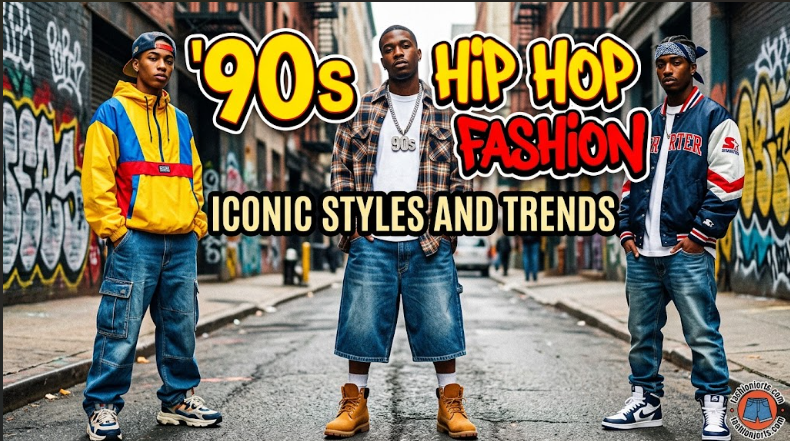
Hip hop fashion in the 1990s was not created in fashion houses. It came from streets, music videos, neighborhoods, and artists who used clothing as a way to express identity. The decade changed how people viewed streetwear by turning everyday pieces like baggy jeans, sneakers, hoodies, and sports jackets into cultural symbols. The style of the 90s was about confidence rather than following strict fashion rules. Rappers were building their own images, and their clothing choices became just as memorable as their music. From New York’s gritty streetwear to Los Angeles’ relaxed West Coast style, 90s hip hop fashion reflected different communities while creating a shared global influence. Today, many of those same looks continue to inspire modern streetwear. Oversized fits, vintage sneakers, throwback jerseys, and classic rap-inspired clothing remain popular because the style represented authenticity and individuality.
How 90s Hip Hop Fashion Became a Cultural Movement
The 1990s was a defining period for hip hop. Rap music moved from local scenes into mainstream entertainment, and artists became influential figures beyond music. Their fashion choices helped introduce street style to a much wider audience. During this period, clothing became a form of storytelling. An artist’s outfit could represent their background, success, personality, or connection to their community. Some rappers preferred luxury pieces to show achievement, while others focused on practical streetwear that reflected everyday life. Unlike traditional fashion trends that often started with designers, hip hop style grew from real people. Fans copied what they saw in music videos, concerts, and neighborhoods, allowing the movement to spread naturally.
The Rise of Oversized Clothing
Oversized clothing became one of the most recognizable parts of 90s hip hop style. Large T-shirts, loose jackets, wide sweaters, and relaxed silhouettes dominated the decade. The bigger fit created a comfortable and confident appearance. Instead of focusing on a perfect shape, the style emphasized attitude and presence. Artists often wore oversized pieces with sneakers, caps, and jewelry to create a complete look. This trend influenced both men’s and women’s fashion. Many people today still associate the 90s with oversized clothing because it captured the relaxed energy of the era.
Baggy Jeans and Denim Trends
Baggy jeans were a major part of 90s hip hop outfits. The decade moved away from tight denim and embraced loose, comfortable fits that became connected with street culture. Artists often paired oversized jeans with graphic shirts, hoodies, sports jerseys, or jackets. The combination created a simple but powerful style that could work for everyday wear. Different types of denim became popular, including wide-leg jeans, carpenter jeans, and distressed styles. The focus was not on looking perfectly styled but on creating a personal look.
Sneakers Became a Fashion Statement
Sneakers became one of the most important pieces in hip hop fashion during the 90s. Shoes were no longer just something practical; they became a way to show personality and status. Basketball sneakers, classic athletic shoes, and work boots all became part of street style. A fresh pair of sneakers could completely change an outfit. The connection between hip hop and sneaker culture became stronger during this period. Many fans followed what their favorite artists wore, helping sneakers become a major part of youth fashion.
Sportswear and Street Style
Sports clothing had a huge influence on 90s hip hop fashion. Jerseys, tracksuits, baseball caps, and team jackets appeared frequently in music videos and public appearances. Basketball culture especially connected with hip hop during this era. Players and rappers influenced each other’s audiences, creating a shared interest in athletic clothing. Sportswear also gave people an easy way to represent their favorite teams while creating a fashionable streetwear look.
Timberland Boots and Workwear Influence
Workwear became another important part of 90s hip hop style. Timberland boots, durable jackets, and practical clothing pieces became popular because they combined function with fashion. In many urban communities, workwear brands were already familiar because of their durability. Hip hop artists helped transform these everyday items into recognizable style choices. The combination of work boots, baggy jeans, and oversized jackets created one of the most memorable streetwear looks of the decade.
Gold Chains and Bold Accessories
Accessories helped complete the classic 90s rapper image. Large gold chains, watches, rings, sunglasses, and hats became common fashion choices. Jewelry often represented success and personal achievement. As hip hop artists gained more recognition, accessories became a visual symbol of growth and confidence. However, not every artist focused on expensive pieces. Some preferred simpler styles, showing that 90s hip hop fashion was always connected to personality.
Women Who Influenced 90s Hip Hop Fashion
Women in hip hop created some of the most memorable fashion moments of the decade. Artists such as Aaliyah, TLC, and Lil’ Kim showed that streetwear could be creative, stylish, and expressive. Aaliyah became known for combining oversized clothing with feminine details. Her relaxed style included baggy pants, fitted tops, jackets, and sunglasses, creating a look that many people still recreate today. TLC introduced colorful outfits and unique styling, while Lil’ Kim brought a bold approach that challenged traditional ideas about women’s fashion in hip hop.
The Artists Who Defined 90s Hip Hop Style
Tupac Shakur
Tupac’s style reflected his personality and beliefs. He often wore bandanas, denim, simple shirts, and street-inspired clothing. His outfits felt connected to real life rather than being designed only for appearance.
The Notorious B.I.G.
Biggie became known for oversized sweaters, luxury streetwear, sunglasses, and relaxed clothing. His fashion choices helped popularize the combination of comfort and high-end style.
Wu-Tang Clan
Wu-Tang Clan represented a raw New York street style. Their clothing often included boots, hoodies, jackets, and practical pieces that matched their music’s energy.
Popular Brands Connected With 90s Hip Hop Style
Several brands became closely associated with the decade because artists and fans embraced them. Tommy Hilfiger gained popularity through its connection with street culture. FUBU became an important name by representing Black-owned fashion and hip hop identity. Nike, Adidas, Timberland, Champion, and Carhartt also became major parts of the streetwear scene. These brands succeeded because they represented more than clothing. They became connected with culture, music, and personal expression.
Why 90s Hip Hop Fashion Is Making a Comeback
The return of 90s hip hop fashion comes from a renewed interest in vintage style. Many younger generations are discovering classic hip hop through old music videos, social media, and retro clothing trends. Modern fashion has brought back oversized jackets, loose jeans, vintage sneakers, and graphic shirts. However, today’s version often mixes 90s influences with cleaner modern pieces. The appeal remains strong because the style was based on confidence and individuality rather than temporary trends.
How to Wear 90s Hip Hop Fashion Today
The best way to wear 90s hip hop fashion today is to avoid copying an entire outfit from the past. Instead, combine classic elements with modern clothing. A loose pair of jeans with a simple graphic shirt, vintage sneakers with a jacket, or a sports jersey with casual clothing can create a modern interpretation of the style. The goal is to capture the attitude of the era while making the outfit feel natural for today.
Conclusion
90s hip hop fashion changed the relationship between music and clothing. It showed that style could come from communities and everyday people rather than only from traditional fashion industries. The decade created some of the most recognizable looks in streetwear history. Its influence continues because the clothing represented confidence, creativity, and individuality. Even decades later, the strongest part of 90s hip hop fashion remains the same: wearing clothes that express who you are.