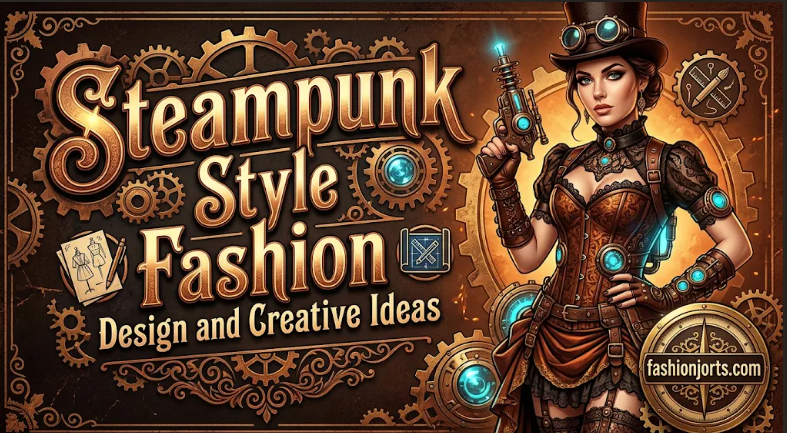
Steampunk style has a distinctive look that makes it easy to recognise. It combines old-fashioned clothing, mechanical inventions, industrial materials, and imaginative designs inspired by an alternative version of the past. Brass accessories, leather jackets, vintage clocks, and decorative machinery are common features, but the style is not limited to clothing or decoration. What makes steampunk interesting is the freedom to create something personal. One person might enjoy wearing Victorian-inspired outfits, while another might decorate a room with antique furniture and industrial lighting. Both approaches capture the same creative spirit without following strict rules.
What Makes Steampunk Style Different?
Steampunk stands out because it brings together two different design influences. The first comes from the Victorian period, with its formal clothing, detailed furniture, traditional craftsmanship, and decorative accessories. The second comes from industrial machinery and imagined inventions that make ordinary objects look as though they belong in a fictional world. This combination gives steampunk a character that is both historical and futuristic. A traditional pocket watch can become part of an imaginative mechanical costume, while an old wooden cabinet can look completely different with brass handles and gear-shaped decorations. The style works best when these elements feel connected rather than randomly placed together.
The Role of Victorian Design
Victorian design provides much of the visual foundation for steampunk. Clothing from this period often featured structured jackets, waistcoats, long skirts, high collars, lace, and carefully selected accessories. Furniture and decorative objects also had detailed finishes, carved surfaces, and traditional materials. Steampunk takes these historical influences and gives them a creative twist. Instead of copying an old-fashioned appearance exactly, designers introduce mechanical details, unusual accessories, and fictional technology. The result feels inspired by history without being limited to historical accuracy.
Materials and Colours That Define the Look
Materials make a major difference in how a steampunk-inspired design appears. Brass, copper, iron, leather, and dark wood are popular because they create a strong connection with traditional workshops and industrial equipment. Glass, canvas, and aged metal can add further texture without making the overall design feel too heavy. The colours usually follow a warm, earthy direction. Bronze, antique gold, dark brown, black, burgundy, and deep green work particularly well together. Some designs use brighter shades to create contrast, but darker tones remain a common choice for achieving a vintage appearance.
Steampunk Fashion for Men and Women
Steampunk clothing allows people to experiment with traditional garments and unusual accessories. Rather than following one standard outfit, enthusiasts create combinations that reflect their interests, personalities, and preferred historical influences.
Men’s Clothing
Men’s outfits often include long coats, waistcoats, fitted shirts, tailored trousers, and leather boots. A top hat or pocket watch can introduce a traditional Victorian touch, while goggles and leather belts give the outfit a more mechanical appearance. The overall look can be formal or adventurous. Some people prefer a gentleman-inspired outfit with carefully coordinated clothing, while others choose a practical explorer appearance with layered garments and utility accessories.
Women’s Clothing
Women’s steampunk fashion often features corsets, long skirts, fitted jackets, lace blouses, and Victorian-inspired dresses. Leather boots, gloves, decorative hats, and antique jewellery help create a distinctive appearance. There is also room for more relaxed combinations. A simple blouse with a long skirt and a few metallic accessories can introduce the style without requiring a complete costume. The most successful outfits balance historical inspiration with comfort and personal expression.
Decorating a Home With Steampunk Elements
A steampunk-inspired home often combines traditional furniture with industrial decorations. Dark wooden tables, leather chairs, antique cabinets, metal shelving, and warm lighting help create a comfortable vintage atmosphere. Decorative clocks, old-fashioned lamps, and mechanical ornaments can provide visual interest without taking up too much space. Lighting deserves particular attention because it changes how metallic surfaces and wooden furniture appear. Brass table lamps, pendant lights, and fixtures with exposed metal details can create a warm atmosphere. A few carefully chosen decorative pieces are usually more effective than covering every wall with machinery.
Living Room Ideas
A leather sofa, dark wooden coffee table, vintage wall clock, and brass floor lamp can create a strong starting point. Old trunks and metal shelving also work well as practical furniture pieces. Keeping the seating area comfortable prevents the room from feeling like a themed exhibition.
Bedroom Ideas
For a bedroom, consider a dark wooden bed frame, antique bedside tables, warm lamps, and vintage mirrors. Leather storage boxes and decorative clocks can add character without making the space crowded. Neutral bedding can help balance the darker furniture and metallic accessories.
Accessories That Complete a Steampunk Outfit
Accessories often make the difference between ordinary vintage clothing and a recognisable steampunk-inspired outfit. Pocket watches, mechanical necklaces, brass goggles, leather gloves, antique keys, and decorative belts are popular choices. Each item adds a different visual detail and helps develop the character of the outfit. Handmade accessories are especially appealing because they allow people to create something that cannot easily be found in regular fashion stores. Old watch components, small metal pieces, recycled leather, and decorative gears can become part of original jewellery or costume accessories. The focus should be on craftsmanship and thoughtful design rather than adding as many objects as possible.
Steampunk in Entertainment and Creative Art
Steampunk has influenced different forms of entertainment, including fiction, films, video games, illustration, and theatre. Its imaginative approach gives artists the freedom to create alternative historical settings filled with unusual inventions and mechanical transportation. The visual appeal also makes it popular in costume events and creative exhibitions. Artists may build miniature machines, design fictional vehicles, or create characters wearing Victorian-inspired clothing. These projects show how the same aesthetic can be interpreted through different artistic skills.
Common Mistakes When Creating a Steampunk Look
One common mistake is assuming that every steampunk design must contain large amounts of brass, gears, and dark brown materials. These details are recognisable, but they do not automatically make a design successful. Without a clear direction, too many decorative elements can make an outfit or room look crowded. Another mistake is copying Victorian clothing without adding any creative interpretation. Historical garments provide inspiration, but the mechanical and imaginative details help establish the distinctive character of steampunk. A balanced design should connect its materials, accessories, and overall appearance.
Conclusion
Steampunk offers a creative way to combine historical influences with imaginative design. Its appeal comes from the freedom to experiment with clothing, furniture, accessories, and artwork while maintaining a recognisable vintage industrial character. You don’t need an entire themed wardrobe or a specially decorated home to enjoy this aesthetic. Start with a few pieces that reflect your taste, then build around them as your interests develop. A well-chosen accessory or decorative object can be enough to introduce steampunk into everyday life.