Steampunk fashion takes the elegance of old-fashioned clothing and gives it an imaginative mechanical twist. Long coats, fitted waistcoats, corsets, boots, hats, and flowing skirts can appear alongside goggles, pocket watches, leather straps, and metal details. The result feels historical without being tied completely to the past. What makes this style interesting is the freedom behind it. You don’t need to recreate a particular year or follow strict rules about what people once wore. Instead, steampunk lets you imagine how clothing might have developed in a fictional age filled with steam-powered machines, adventurous travelers, clever inventors, and unusual technology.
What Is Steampunk Fashion?
Steampunk fashion is a retro-inspired style that mixes Victorian-looking clothing with fantasy and industrial influences. Much of its visual identity comes from nineteenth-century tailoring, although wearers often combine those references with modern pieces. That flexibility makes it different from historical costume. The easiest way to understand the look is to imagine an alternative version of the past. Perhaps steam technology became far more advanced, airships filled the skies, and inventors carried strange mechanical tools. The clothes are designed to look as though they belong in that fictional setting.
Where Did Steampunk Fashion Come From?
Steampunk developed alongside a form of science fiction interested in alternative history and mechanical technology. Stories about unusual inventions, exploration, steam-powered machines, and imagined versions of the nineteenth century helped establish its recognizable visual identity. Clothing later became a natural way for fans to bring those fictional settings to life. Rather than copying one historical period exactly, the fashion gradually developed its own conventions. Victorian-inspired tailoring became especially influential because it offered dramatic shapes and plenty of opportunities for customization. Over time, enthusiasts added industrial accessories, handmade props, and fantasy details that separated steampunk from ordinary period clothing.
What Does Steampunk Fashion Look Like?
There isn’t one official steampunk outfit. Some looks are elegant and formal, while others resemble the clothing of mechanics, explorers, pilots, or adventurers. Two outfits can look completely different while still belonging to the same aesthetic. Layering is one of the easiest ways to create the effect. A shirt may sit beneath a waistcoat and long coat, while a skirt might be paired with a fitted bodice, belt, and boots. Accessories then introduce the mechanical or adventurous side without taking attention away from the clothing itself.
Key Elements of Steampunk Clothing
Traditional tailoring provides a useful starting point. High-collar shirts, waistcoats, structured jackets, long coats, trousers, full skirts, and fitted dresses can all establish an older appearance. These pieces don’t have to be genuine antiques or exact historical reproductions. Texture can make even simple clothing more convincing. Leather, lace, velvet, cotton, wool-like fabrics, and aged metal details work well together because they create contrast. A plain white shirt, for example, can take on an entirely different character when worn with a dark waistcoat, leather belt, and sturdy boots.
Women’s Steampunk Fashion
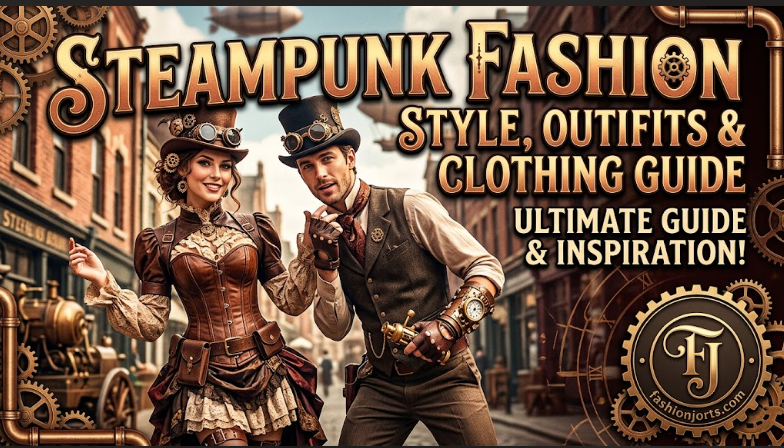
Women’s outfits can range from elaborate dresses to practical adventure-inspired clothing. Long or uneven skirts, blouses, fitted jackets, corsets, boots, and decorative hats are popular choices. Some outfits emphasize Victorian elegance, while others lean toward an explorer or mechanic appearance. Corsets are recognizable within the style, but they aren’t essential. A structured jacket or fitted waistcoat can create a similarly strong silhouette without using one. Modern interpretations also allow women to wear trousers, long coats, utility belts, and other pieces that move beyond traditional historical gender expectations.
Men’s Steampunk Fashion
Men’s steampunk outfits often rely on tailoring rather than elaborate decoration. A collared shirt, waistcoat, fitted trousers, and long coat can provide a strong foundation. Boots and a carefully chosen hat can add more character without making the outfit feel overloaded. Accessories determine what kind of personality the clothing suggests. A pocket watch and polished shoes might suit a gentleman-inspired look, while leather gloves, goggles, and a utility belt create something closer to an engineer or adventurer. Starting with the character makes choosing the remaining pieces much easier.
Steampunk Dresses, Corsets and Skirts
A steampunk dress doesn’t need to follow one particular shape. Some designs use long skirts and fitted bodices, while others feature shorter fronts, layered hems, ruffles, or uneven lengths. Boots showing beneath the skirt can give a formal dress a tougher and more adventurous edge. Corsets are often worn as visible fashion pieces rather than hidden beneath clothing. They can add structure and contrast, especially when paired with softer blouses or layered skirts. Still, adding one simply because it looks “steampunk” isn’t necessary; the overall outfit matters more than any single garment.
Steampunk Coats, Waistcoats and Trousers
A good coat can carry much of the visual weight of an outfit. Long fitted coats create a formal appearance, while shorter jackets can feel more practical and industrial. Details such as unusual buttons, high collars, straps, or contrasting fabrics can add personality without becoming distracting. Waistcoats are particularly versatile because they work with both elaborate costumes and everyday outfits. They can be worn over simple shirts and paired with straight or fitted trousers. Slightly worn boots and a watch chain may be enough to turn that combination into a subtle steampunk-inspired look.
Steampunk Accessories That Complete the Look
Goggles may be the most recognizable accessory, but they aren’t the only option. Pocket watches, leather gloves, belts, satchels, hats, chains, buckles, mechanical jewelry, and handmade gadgets can all contribute to the aesthetic. Accessories are most effective when they appear to have a reason for being there. Imagine the person behind the outfit before adding decorations. An explorer might need a satchel and protective goggles, while an inventor could carry tools or a fictional measuring device. Thinking this way prevents the common mistake of covering clothing with random gears simply to make it appear more steampunk.
Popular Steampunk Colors, Fabrics and Materials
Brown, black, cream, burgundy, gray, and deep green fit naturally with the aesthetic, especially when combined with brass or copper-like details. These colors create the aged industrial appearance commonly associated with the style. They aren’t rules, though, and brighter shades can work when used thoughtfully. Fabric choices often have an even greater effect than color. Leather creates a practical feel, velvet adds richness, and lace brings softer historical character. Combining two or three different textures usually produces more depth than dressing entirely in one material.
How to Put Together a Steampunk Outfit
Begin with ordinary clothing rather than accessories. Choose a shirt, blouse, trousers, skirt, dress, or coat that gives you the silhouette you want. Once the base looks convincing, introduce a waistcoat, jacket, belt, or other layer. Next, decide what kind of fictional person would wear those clothes. An airship traveler should look different from an aristocrat, scientist, mechanic, or detective. Once that idea is clear, choose only a few accessories that support it and leave out anything that doesn’t add to the character.
Steampunk Fashion vs. Victorian Fashion
Victorian fashion belongs to a real historical period, while steampunk uses history as creative material. A historically accurate Victorian outfit attempts to reflect clothing people genuinely wore. Steampunk is free to change those clothes, combine different influences, and introduce technology that never existed. This distinction gives designers much more room to experiment. Historical inspiration provides recognizable silhouettes, but fantasy changes their meaning. That’s why a modern pair of boots or an invented mechanical device can sit comfortably beside a vintage-looking coat.
Can You Wear Steampunk Fashion Every Day?
Full steampunk clothing can be dramatic, which makes it popular for conventions, festivals, themed events, photography, and costume gatherings. Everyday styling usually works better when only a few elements are used. You don’t need goggles and a top hat every time you leave the house. Try combining modern clothes with one or two vintage-inspired pieces instead. Lace-up boots, a fitted waistcoat, a long coat, an old-fashioned bag, or understated metal jewelry can introduce the aesthetic without looking like a complete costume. This approach also makes the style easier to adapt to work, casual outings, or colder weather.
Conclusion
Steampunk fashion works best when clothing and imagination support each other. Victorian-inspired tailoring gives it a recognizable foundation, while industrial details and fictional technology allow each wearer to create something personal. Neither side needs to overwhelm the other. You also don’t need an expensive ready-made costume to begin. A good shirt, waistcoat, skirt, trousers, coat, or pair of boots can become the foundation for a much stronger outfit than a collection of unrelated accessories. Secondhand and altered clothing can be especially useful when you’re developing your own style. Most importantly, build an outfit around an idea rather than a checklist. Decide who might wear the clothes, where they might be going, and what objects they would realistically carry. That small piece of storytelling is often what turns vintage-looking clothing into convincing steampunk fashion.