Silver jewellery has a special place in fashion because it offers a balance of elegance, affordability, and everyday practicality. Unlike jewellery that is reserved only for formal occasions, silver pieces can easily become part of daily style. A simple silver ring, chain, or pair of earrings can add a refined touch without looking excessive. From traditional designs inspired by cultural craftsmanship to modern minimal pieces, silver jewellery continues to evolve with changing fashion preferences. However, choosing the right piece is not only about appearance. Understanding silver quality, purity levels, design options, and care requirements helps buyers make better decisions and choose jewellery that lasts.
What Makes Silver Jewellery Different?
Silver is a precious metal known for its bright appearance and smooth finish. For centuries, it has been used to create decorative items, coins, and personal accessories. In jewellery making, silver is valued because it can be shaped into detailed designs while maintaining a beautiful natural shine. Pure silver is very soft, which makes it unsuitable for many everyday jewellery pieces. To improve strength, jewellers usually combine silver with small amounts of other metals. This creates a stronger material that can handle regular wear while keeping the attractive qualities of silver.
Understanding Silver Purity and 925 Silver
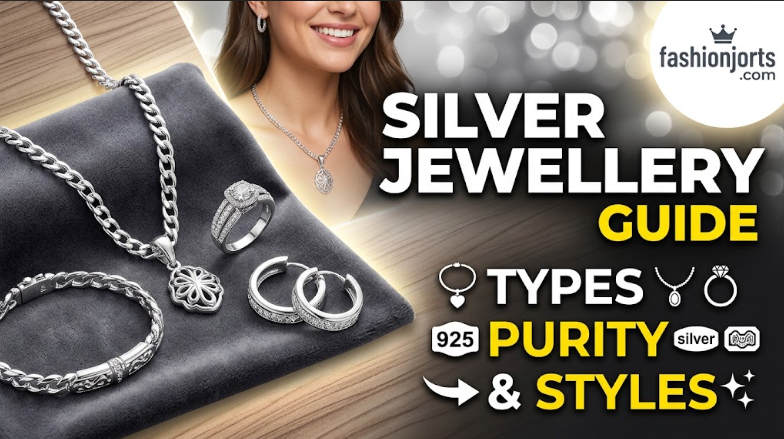
One of the first things buyers notice when shopping for silver jewellery is the term “925 silver.” This marking refers to sterling silver, which contains 92.5% pure silver and 7.5% other metals, usually copper. Sterling silver has become the standard choice for most jewellery because it provides a practical balance between purity and durability. It is strong enough for rings, bracelets, necklaces, and earrings while still offering the classic silver appearance many buyers prefer. Fine silver, marked as 999, contains a higher amount of pure silver but is softer. It may be suitable for special designs, but it can scratch or bend more easily compared with sterling silver.
Popular Types of Silver Jewellery
Sterling Silver Jewellery
Sterling silver jewellery is the most common option available today. Its durability makes it suitable for everyday accessories, including rings, chains, bracelets, and earrings. Many buyers choose sterling silver because it offers the look of a precious metal without the higher cost associated with gold. With proper maintenance, sterling silver pieces can maintain their appearance for many years.
Oxidised Silver Jewellery
Oxidised silver jewellery has a darker finish that creates an antique or vintage appearance. The process highlights engraved details and gives designs more depth. This style is especially popular in handmade jewellery and traditional collections. Oxidised rings, earrings, and necklaces often feature artistic patterns that stand out compared with polished silver pieces.
Silver-Plated Jewellery
Silver-plated jewellery has a thin layer of silver applied over another metal. It can provide a similar appearance at a lower price, making it attractive for fashion accessories. However, the silver coating can wear away over time, especially with frequent use. Buyers looking for long-term value should check whether a piece is solid sterling silver or only silver plated.
Different Silver Jewellery Designs for Every Style
Silver jewellery is available in countless designs, allowing people to choose pieces that match their personality and lifestyle. Silver rings are popular because they work well for both simple and statement looks. Minimal bands offer a clean appearance, while gemstone or engraved rings create a more decorative style. Silver necklaces and chains remain timeless choices. A thin silver chain can be worn daily, while a detailed pendant necklace can become a focal point for special occasions. Silver earrings range from small studs to larger hanging designs. Their versatility makes them suitable for everyday outfits as well as celebrations. Bracelets and bangles also continue to be popular because they can be styled individually or combined with other accessories for a layered look.
How to Choose the Right Silver Jewellery
The best silver jewellery choice depends on your personal style, budget, and how often you plan to wear it. For daily use, sterling silver is usually a practical option because it offers good strength and appearance. Before buying, check the purity mark and product details. A genuine seller should clearly mention the silver type, weight, and any additional materials used in the design. The finishing quality also matters. Well-crafted jewellery usually has smooth edges, secure clasps, and carefully placed details. Small differences in craftsmanship can greatly affect how a piece looks and feels when worn.
Why People Prefer Silver Jewellery
Silver jewellery remains popular because it offers flexibility. It works with casual clothing, professional outfits, and traditional styles. This makes it a useful choice for people who want accessories they can wear in different situations. Another advantage is variety. Silver can be crafted into delicate everyday designs as well as bold artistic pieces. Buyers can find options ranging from simple jewellery for daily wear to detailed collections for special events. Silver is also a popular gifting choice. Rings, pendants, bracelets, and earrings are often given for birthdays, anniversaries, and personal milestones because they combine beauty with sentimental value.
How to Care for Silver Jewellery
Silver naturally reacts with air and moisture, which can cause tarnishing over time. This does not mean the jewellery is damaged; it is a common surface change that can usually be cleaned. Store silver pieces in a dry place and avoid exposing them unnecessarily to perfumes, chemicals, and harsh products. Keeping individual pieces separated can also prevent scratches and tangling. Regular cleaning with a soft jewellery cloth helps maintain the shine. For valuable or detailed pieces, professional cleaning may be a safer choice.
Silver Jewellery vs Gold Jewellery
Silver and gold offer different experiences for jewellery buyers. Gold is often chosen for its traditional importance, luxury appeal, and long-term value. Silver attracts many buyers because it provides a stylish appearance at a more accessible price. Silver also allows more freedom for experimenting with different designs. Someone who enjoys changing accessories frequently may find silver a practical addition to their collection. The right choice depends on personal preference, purpose, and budget rather than one metal being suitable for everyone.
Common Mistakes to Avoid When Buying Silver Jewellery
A common mistake is focusing only on the design while ignoring quality. A beautiful piece may not provide good value if the silver purity and craftsmanship are unclear. Another mistake is assuming that every silver-coloured item is genuine silver. Some jewellery may only have a silver finish, so checking product information before purchasing is important. Buyers should also consider maintenance requirements. Silver jewellery needs occasional care, and understanding this before buying helps keep pieces looking attractive for longer.
Conclusion
Silver jewellery continues to be a favourite choice because it combines timeless beauty with practical value. Whether you prefer simple designs or detailed handcrafted pieces, silver offers options for almost every style. Choosing quality silver, understanding purity marks, and following proper care methods can help you enjoy your jewellery for many years. A well-selected silver piece is not just an accessory; it can become a personal item with lasting meaning.