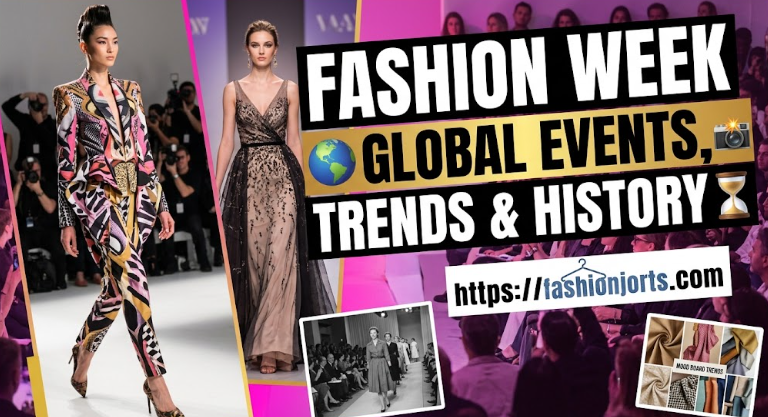
Fashion Week is more than a series of runway shows. It is a worldwide event where designers introduce new ideas, fashion houses reveal upcoming collections, and the industry gathers to understand where style is heading next. From luxury brands in Paris to emerging designers in London, Fashion Week creates conversations that influence clothing, beauty, culture, and personal expression. For many people, Fashion Week represents glamour and celebrity appearances. However, behind the cameras and designer outfits, it is also a major business event where creativity meets planning, marketing, and consumer demand. The collections shown on the runway often provide a preview of future trends that eventually reach stores and everyday wardrobes.
What Is Fashion Week?
Fashion Week is a scheduled event where designers showcase their latest clothing collections through runway presentations, exhibitions, and fashion experiences. These events usually happen twice a year, with designers presenting seasonal collections for upcoming fashion periods. The main purpose of Fashion Week is to introduce new designs to buyers, fashion journalists, influencers, and the public. It allows brands to communicate their creative direction and gives the industry an early look at the styles that may influence future seasons. Although Fashion Week began as an industry-focused event, it has become a global cultural moment. Millions of people now follow runway shows through social media, videos, and online coverage.
The Origins of Fashion Week
Fashion presentations have existed for more than a century, but the modern Fashion Week format developed during the 20th century. Early fashion shows were private events where designers presented collections to selected clients. New York helped shape the modern idea of Fashion Week when it introduced organized fashion presentations during the 1940s. These events helped American designers gain more attention and created a model that other cities later developed. Over time, fashion capitals around the world created their own versions of these events. Each city developed a unique identity based on its history, designers, and cultural influences.
The Four Major Fashion Capitals
New York Fashion Week
New York Fashion Week is known for its connection to modern American fashion. The event often highlights practical designs, streetwear influences, and creative approaches that reflect the energy of the city. Many designers use New York as a platform to introduce new collections and connect with international audiences. The event also provides opportunities for emerging fashion creators to gain recognition.
London Fashion Week
London Fashion Week has a reputation for creativity and originality. British designers often experiment with shapes, materials, and concepts while maintaining connections with traditional craftsmanship. The event has become an important platform for young designers and independent brands. London’s fashion scene is known for encouraging fresh ideas and different approaches to style.
Milan Fashion Week
Milan Fashion Week represents Italian fashion, where quality, craftsmanship, and luxury design remain central themes. The city has a strong connection with premium fashion houses and skilled manufacturing. Designers in Milan often focus on detailed construction, elegant designs, and timeless pieces. The event continues to attract global attention from fashion professionals and enthusiasts.
Paris Fashion Week
Paris Fashion Week is one of the most recognized fashion events in the world. The city has a long association with luxury fashion and haute couture. Many famous fashion houses choose Paris to present their most important collections. The event is known for combining fashion with art, storytelling, and creative presentation.
How Fashion Week Influences Everyday Fashion
Fashion Week may seem distant from everyday clothing choices, but its influence reaches consumers in many ways. Designers introduce colors, patterns, fabrics, and styles that later appear in retail collections. Fashion trends often move from high-end runways to affordable brands and street fashion. A design concept shown by a luxury brand can inspire clothing styles available to a much wider audience. The process does not happen overnight. Trends usually develop gradually as designers, retailers, and consumers adapt ideas from the runway.
The Changing Role of Technology in Fashion Week
Technology has changed how people experience Fashion Week. In the past, runway shows were mainly attended by industry professionals, but digital platforms have opened access to a much larger audience. Social media allows fashion lovers to watch collections, follow designers, and discuss trends instantly. Brands can now connect directly with customers instead of depending only on traditional fashion publications. Virtual presentations and digital fashion experiences have also introduced new ways for designers to share their creative work.
Sustainability and Modern Fashion Shows
Sustainability has become an important topic within the fashion industry. Many designers and brands are exploring ways to reduce waste, use responsible materials, and improve production methods. Fashion Week has become a place where these discussions are visible. Some designers use their collections to highlight environmental concerns and encourage more thoughtful approaches to clothing. However, creating a more sustainable fashion industry remains a complex challenge. Brands must balance creativity, production costs, consumer expectations, and environmental responsibility.
The Influence of Celebrities and Social Media
Celebrities have become a major part of Fashion Week culture. Their appearances at runway shows often attract worldwide attention and create additional interest in designers. A celebrity wearing a particular outfit can quickly increase awareness of a brand. Social media has made these moments even more powerful, allowing fashion conversations to spread across global audiences within minutes. Influencers have also changed the fashion industry by bringing runway styles closer to everyday consumers.
Why Fashion Week Still Matters
Fashion Week continues to matter because it represents creativity, business, and cultural expression. It gives designers a place to share their ideas and allows audiences to discover new directions in style. The event also reflects changes happening in society. Fashion often responds to shifts in technology, lifestyle, identity, and consumer preferences. While the fashion industry continues to change, Fashion Week remains a major platform where new ideas begin.
Conclusion
Fashion Week is a powerful combination of creativity, business, and cultural influence. It gives designers a platform to introduce new ideas while helping audiences understand the direction of modern style. Although the fashion world continues to change through technology and new consumer expectations, Fashion Week remains an important tradition. It continues to inspire designers, influence trends, and shape how people view clothing and self-expression. The future of Fashion Week will likely look different from the past, but its purpose will remain the same: bringing new ideas to life through fashion.