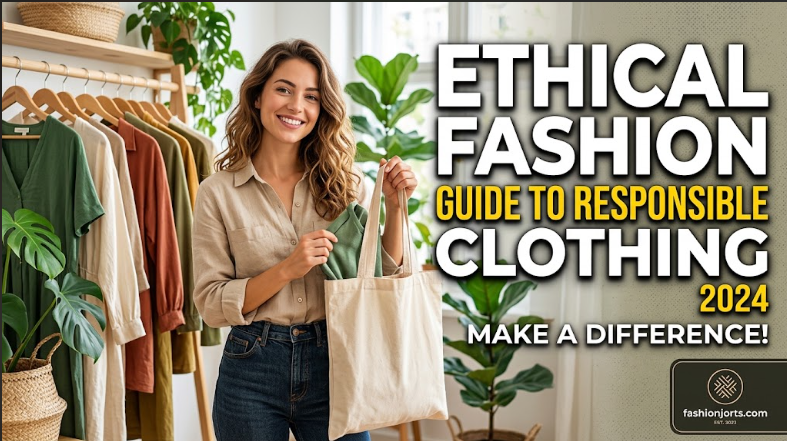
Fashion is more than the clothes hanging in our closets. Every shirt, pair of jeans, or pair of shoes has a journey behind it, involving materials, workers, factories, and resources. Ethical fashion looks at that journey and asks a simple question: can clothing be created in a way that respects people, animals, and the planet? For many years, the fashion industry has been driven by speed and low prices. New trends appear quickly, and customers are encouraged to buy more than they need. Ethical fashion offers a different approach by focusing on fairness, quality, transparency, and responsible choices. It does not mean giving up style; it means understanding the impact behind every purchase.
What Is Ethical Fashion?
Ethical fashion refers to clothing that is designed, produced, and sold with consideration for social and environmental responsibilities. The main focus is on how garments are made and whether the people involved in the process are treated fairly. A piece of clothing passes through many stages before reaching a customer. Raw materials must be grown or produced, fabrics need to be created, workers manufacture the products, and finished items are transported around the world. Ethical fashion considers each part of this process instead of focusing only on the final product. The movement is built around ideas such as fair wages, safe workplaces, responsible materials, animal welfare, and honest business practices. It encourages consumers to look beyond appearance and price when choosing what to wear.
Why Ethical Fashion Has Become Important
The rise of ethical fashion is connected to growing awareness about problems within the clothing industry. Many consumers have started questioning how extremely cheap clothing can be produced and who pays the hidden cost behind those low prices. Garment workers in some parts of the world have historically faced difficult conditions, including low pay, unsafe factories, and limited workplace protections. Ethical fashion supporters believe that the people creating clothing deserve fair treatment and better working environments. Environmental concerns have also influenced the movement. Fashion production requires large amounts of water, energy, and raw materials. Waste from unwanted clothing and the use of harmful chemicals during manufacturing have pushed brands and customers to consider more responsible alternatives.
Ethical Fashion vs Sustainable Fashion
Although the terms are often used together, ethical fashion and sustainable fashion have different focuses. Ethical fashion mainly looks at the human side of clothing production. It asks whether workers receive fair treatment and whether companies operate responsibly. Sustainable fashion focuses more on environmental issues, such as reducing waste, choosing better materials, and lowering the impact of production. In reality, the two ideas often work together. A responsible clothing brand usually needs to consider both people and the environment. A product cannot truly be considered responsible if it protects nature but ignores worker conditions.
The Problems With Fast Fashion
Fast fashion changed the way people shop by making trendy clothing available at very low prices. Customers can quickly buy new styles without spending much money, but this system has created several concerns. One major issue is overproduction. Many garments are created quickly to match short-lived trends, which can lead to clothing being worn only a few times before being replaced. This creates more waste and increases pressure on manufacturers to produce faster. Another concern is the focus on extremely low prices. Producing clothing involves many costs, from materials and labour to transportation. When prices are pushed very low, questions often arise about whether workers and resources are being properly valued. Ethical fashion does not suggest that all affordable clothing is harmful, but it encourages people to think more carefully about what they buy and how long they will use it.
The Core Principles of Ethical Fashion
Fair Treatment of Workers
One of the most important parts of ethical fashion is protecting the people who make clothing. A responsible brand considers wages, workplace safety, working hours, and employee rights. Fair treatment means workers should not be viewed only as a way to reduce production costs. They are skilled individuals whose work creates value for the entire fashion industry.
Transparency From Brands
Transparency allows customers to understand where their clothes come from. Ethical brands often share information about their suppliers, factories, and production methods. Complete transparency can be difficult because fashion supply chains are complex, but companies that openly discuss their processes make it easier for customers to make informed decisions.
Better Material Choices
The materials used in clothing have a major effect on the environment. Many ethical brands explore options such as organic cotton, recycled fabrics, linen, and other lower-impact materials. However, choosing a certain fabric alone does not make a product ethical. The entire process, including manufacturing and labour conditions, must also be considered.
How to Recognize Ethical Fashion Brands
Finding responsible brands can sometimes be confusing because many companies use words like “green,” “conscious,” or “eco-friendly” in their marketing. A better approach is to look for evidence. Responsible brands usually provide information about their factories, materials, policies, and goals.
Customers can ask questions such as:
- Does the brand explain where its products are made?
- Does it provide information about workers and suppliers?
- Does it focus on quality rather than constant new releases?
- Does it avoid vague environmental claims?
A company that is open about both its progress and challenges is often more trustworthy than one that only makes broad promises.
How to Create a More Ethical Wardrobe
Supporting ethical fashion does not require replacing an entire wardrobe. Small changes can have a meaningful impact. Buying fewer items and choosing better-quality pieces is one of the simplest steps. Clothing that lasts longer reduces the need for frequent replacements. Taking care of existing clothes also matters. Washing garments properly, repairing small damages, and storing items carefully can extend their lifespan. Second-hand shopping is another practical choice. Used clothing gives existing garments another life and reduces demand for new production.
Challenges of Ethical Fashion
Although ethical fashion offers many benefits, it is not without difficulties. Responsible production can require more time, better materials, and higher labour standards, which may increase costs. Another challenge is supply chain complexity. A brand may know where its final products are made but have limited information about every supplier involved in producing fabrics and materials. There is also the issue of misleading marketing. Some companies highlight small environmental efforts while ignoring larger problems. This is why consumers need to look for clear information instead of relying only on advertising messages.
The Future of Ethical Fashion
The fashion industry is slowly moving toward greater responsibility. Customers are asking more questions, and brands are facing more pressure to explain how their products are made. The future of ethical fashion will likely depend on better transparency, stronger industry standards, and changes in consumer habits. Technology may also help companies track materials and production processes more effectively. The goal is not to create a world where people stop enjoying fashion. Clothing will always be a form of creativity and self-expression. The goal is to build a system where fashion can exist without unnecessary harm.
Conclusion
Ethical fashion represents a shift from simply buying more clothes to making more thoughtful choices. It encourages people to understand the journey behind their clothing and consider the impact of their purchases. A more responsible fashion industry will not be created by consumers alone. Brands, manufacturers, governments, and shoppers all have a role in building better practices. The most meaningful change often starts with simple decisions: buying less, choosing wisely, caring for what we own, and supporting companies that value responsibility over shortcuts. Fashion can still be creative and exciting while becoming more respectful to the people and resources behind it.