
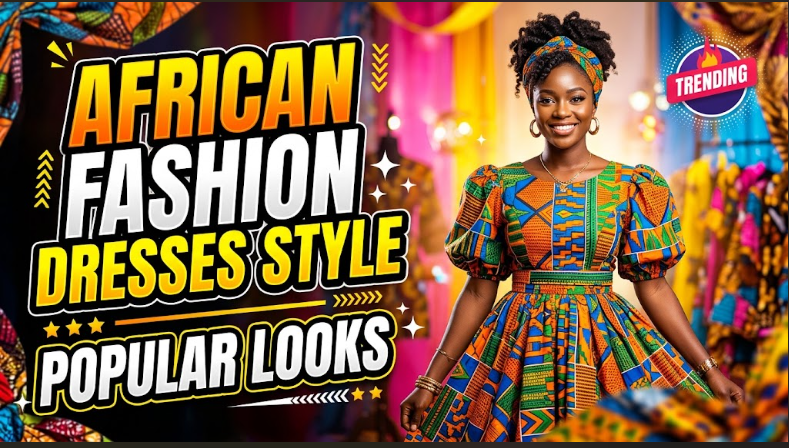
African dresses offer a wide range of designs, from colorful printed outfits to elegant gowns and relaxed everyday clothing. Their appeal comes from the combination of distinctive fabrics, thoughtful tailoring, and influences drawn from different African cultures. Some designs make a statement through bold patterns, while others rely on clean cuts, embroidery, or flowing silhouettes. Choosing the right outfit means finding a style that suits your occasion, personal taste, and comfort.
Popular African Fashion Dress Styles
African clothing includes many regional traditions and contemporary designs. Understanding a few popular options can help you find a dress that fits your needs without sacrificing individuality.
Ankara Print Dresses
Ankara dresses are recognized for their colorful patterns and versatility. Designers use the fabric to create everything from simple knee-length dresses to dramatic floor-length gowns. A fitted Ankara dress can suit a celebration, while a loose design offers a comfortable option for daytime activities.
African Maxi Dresses
Maxi dresses feature longer hems and come in a variety of cuts, including flowing skirts, fitted waists, and relaxed shapes. Printed cotton works well for casual outfits, while structured materials can create a more formal appearance. These dresses are easy to style with sandals, flats, or heels, depending on the event.
Elegant African Gowns
Formal African gowns often combine careful tailoring with decorative elements such as lace, embroidery, beads, or contrasting fabric panels. Some feature fitted bodices and flared skirts, while others use straight silhouettes with detailed sleeves or necklines. The best design is one that allows comfortable movement and suits the formality of the occasion.
African Kaftan Dresses
Kaftans offer a loose fit and a relaxed shape, making them suitable for people who prefer clothing that does not cling to the body. Designs range from understated printed garments to richly decorated outfits for celebrations. Their appearance depends on the fabric, sleeve design, neckline, and finishing details.
Choosing Fabrics for African Dresses
The fabric influences how a dress looks, feels, and moves. Ankara is commonly used for printed dresses, while traditional textiles such as Kente and aso-oke are associated with particular weaving traditions and cultural settings. Lace, chiffon, satin, and other materials also appear in contemporary African-inspired clothing. Consider the weather and length of time you expect to wear the dress. Lightweight materials may be more comfortable in warm conditions, while structured fabrics can help a formal outfit retain its shape. If a dress includes embroidery or decorative details, check the care instructions before purchasing it. Fabric quality matters just as much as appearance. Look at the stitching, seams, lining, and overall finish, particularly if you are buying a tailored garment. A well-constructed dress should feel comfortable and hold its shape during normal wear.
How to Style African Dresses for Different Occasions
The same dress can look different depending on how you accessorize it. For weddings and formal celebrations, elegant shoes, a coordinated handbag, and carefully selected jewelry can complement a detailed gown. If the fabric already has a bold pattern, simpler accessories can help keep the outfit balanced. For casual outings, a printed midi dress or relaxed maxi dress pairs well with comfortable sandals or flats. A headwrap can add another layer of color and personal expression, while a plain handbag keeps the overall look understated. For professional events, consider a straight-cut dress or a modest A-line design with minimal jewelry. Cultural celebrations may have specific expectations regarding attire, colors, or fabrics. If you are attending an event rooted in a particular tradition, ask the host about suitable clothing rather than assuming every African dress style is appropriate for every occasion.
Modern African Fashion Trends
Contemporary African fashion brings traditional textile influences together with modern cuts and styling. Designers create garments with asymmetrical hems, dramatic sleeves, structured shoulders, and coordinated sets, offering alternatives to conventional dress shapes. Some collections emphasize bold prints, while others use neutral colors and subtle decorative details. Another popular approach is combining printed fabric with plain materials. An Ankara bodice paired with a solid skirt, for example, can create visual contrast without overwhelming the outfit. This technique also allows designers to experiment with texture and shape. Personal style remains central to choosing modern African clothing. You do not need elaborate accessories or a dramatic silhouette to make an outfit distinctive. A simple dress with good tailoring and a fabric you enjoy can be just as effective as a heavily embellished gown.
How to Find the Right Fit
A dress should complement your preferred style while allowing you to move comfortably. Pay attention to the shoulders, bust, waist, hips, and hem length, especially when ordering online. Compare your measurements with the seller’s size chart because sizing can vary between brands and designers. If you are ordering a custom-made dress, discuss the neckline, sleeve length, lining, and overall fit with the tailor before production begins. Bringing reference photographs can help communicate the design you want, but make sure the final garment suits your measurements and practical needs. Allow enough time for alterations if you are preparing for a wedding or another important event. Care requirements should also influence your choice. Some garments can be machine-washed according to their labels, while delicate lace, embroidery, or embellishments may require gentler cleaning. Following the manufacturer’s instructions helps preserve the fabric and finish.
Conclusion
African fashion offers plenty of choices for anyone seeking clothing with distinctive prints, thoughtful tailoring, and expressive design. From relaxed daytime dresses to formal gowns, each style can serve a different purpose. Before choosing an outfit, consider the occasion, fabric, fit, and care requirements. These practical details can help you find a dress that looks good and remains comfortable throughout the day. The best choice is one that reflects your personal taste while respecting the traditions and craftsmanship associated with the garment.