
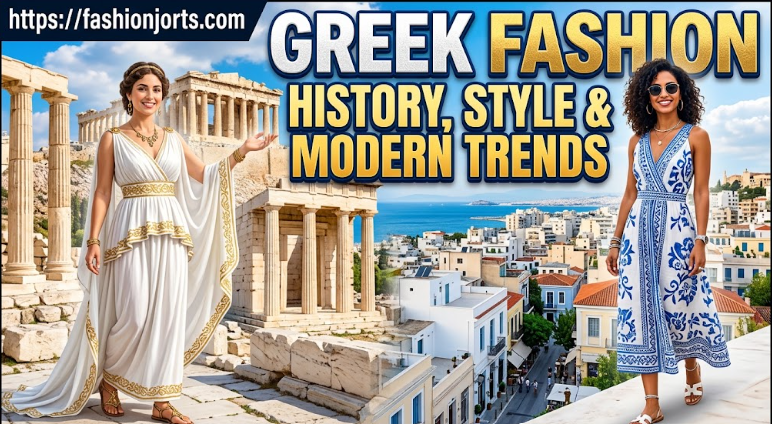
Greek fashion has a distinctive character shaped by history, climate, art, and everyday life. Ancient clothing, regional costumes, and Mediterranean culture have all influenced the way Greece is represented through fashion, but modern Greek style is not simply a copy of the past. Today, Greek fashion can be elegant, relaxed, practical, or experimental. From flowing dresses worn on summer islands to sharp looks seen on the streets of Athens, there is a clear connection between comfort and personal style.
What Makes Greek Fashion Different?
One of the most recognizable features is the way clothing works with the body. Loose shapes, soft fabrics, simple cuts, and natural movement are common ideas in Greek-inspired clothing. The country’s warm climate also affects everyday choices. Lightweight shirts, linen trousers, cotton dresses, sandals, and relaxed skirts are useful in hot weather while still looking polished. Greek style also tends to avoid unnecessary decoration. A simple outfit can become distinctive through its shape, fabric, jewelry, or accessories rather than through many competing details.
The Influence of Ancient Greek Clothing
Ancient Greek clothing continues to inspire designers around the world. Garments such as the chiton and peplos were created by arranging fabric around the body, while the himation could be wrapped and draped in different ways. These old ideas can still be seen in modern dresses with one-shoulder designs, gathered fabric, soft pleats, and wrapped sections. The resemblance is often subtle, though. A modern designer may take the idea of movement or draping without trying to recreate an ancient garment. This gives classical influence a practical role in contemporary clothing. The past provides a starting point, while modern fabrics, tailoring, and changing tastes determine the final design.
Traditional Greek Clothing
Traditional clothing in Greece differs from one region to another. Island communities, mainland villages, and different historical regions developed their own garments, colors, embroidery, and accessories. Women’s traditional outfits often included long dresses or skirts, decorative aprons, fitted bodices, scarves, and detailed embroidery. Men’s clothing varied as well, with the fustanella becoming one of the most recognizable traditional garments associated with Greece. These clothes carried cultural meaning. Certain details could reflect a person’s region, age, social position, or stage of life.
Greek Fashion in Athens
Athens offers a different picture of Greek style. The city has a busy urban culture where traditional references exist alongside international trends. You may see tailored jackets worn with sneakers, relaxed trousers paired with simple tops, vintage pieces mixed with modern accessories, and carefully styled monochrome outfits. Greek designers also use Athens as a base for developing collections that appeal to both local and international customers. This mixture makes the city particularly interesting for fashion lovers. There is no single dress code, and personal expression is often more important than following one trend.
Greek Summer Style
Summer clothing is perhaps the easiest way to understand the appeal of Mediterranean style. Hot temperatures encourage people to choose breathable fabrics and comfortable shapes, especially in coastal areas and on the islands. A simple summer wardrobe might include a loose linen shirt, wide-leg trousers, a flowing dress, leather sandals, sunglasses, and a woven bag. These pieces can work during the day and be adapted for an evening meal with a few changes in accessories. White is strongly associated with Greek islands, but it is far from the only option. Cream, beige, blue, olive, brown, black, and brighter shades all have a place in modern summer wardrobes.
Greek Designers and Fashion Brands
Greece has developed a varied community of designers working across different areas of fashion. Some focus on evening dresses and bridal clothing, while others work with knitwear, accessories, tailoring, or more experimental silhouettes. Designers such as Christos Costarellos, Vassilis Zoulias, Ioanna Kourbela, Yiorgos Eleftheriades, and Dimitris Parthenis represent different approaches to contemporary Greek design. What connects many of these designers is not a requirement to use obvious Greek symbols. Instead, Greek identity can appear through fabric, craftsmanship, proportions, references to local culture, or the relaxed quality associated with Mediterranean living.
Greek Fashion Beyond the Tourist Image
A common misunderstanding is that Greek fashion means white dresses, blue details, and ancient columns. Those elements are part of the country’s visual identity, but they don’t represent the whole industry. Contemporary Greek clothing can be minimalist, colorful, romantic, masculine, experimental, or highly formal. Younger designers in particular have more freedom to combine international influences with local references. That change is important because fashion naturally develops as people travel, communicate, work with new materials, and discover different cultures. Greek designers are part of that wider movement while still having their own cultural background.
Why Greek Style Continues to Attract Attention
Greek-inspired clothing remains popular because many of its basic ideas are easy to wear. Flowing shapes, neutral colors, natural fabrics, and simple accessories can create an attractive outfit without requiring complicated styling. There is also something practical about the aesthetic. Clothes designed for warm weather need to provide comfort, while good design prevents them from looking overly casual. For people building a wardrobe, this approach offers a useful lesson: you don’t need many pieces to create a strong look when the fabric, fit, and proportions work together.
Conclusion
Greek fashion is best understood as a combination of cultural history and modern everyday style. Ancient clothing provides inspiration, traditional costumes preserve regional identity, and contemporary designers continue to develop new ideas. The strongest Greek-inspired looks don’t need to be obvious. A well-cut linen shirt, a flowing silhouette, or a carefully chosen accessory can communicate the Mediterranean influence without turning an outfit into a costume. That balance between simplicity, comfort, and character is what makes Greek style appealing well beyond Greece.