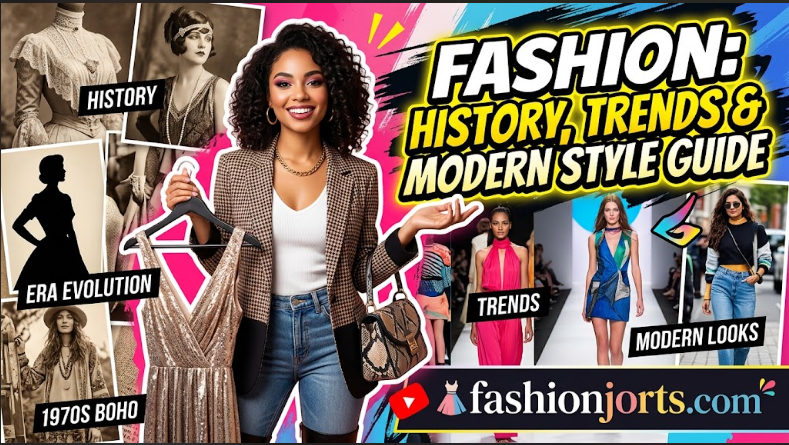
Fashion is much more than choosing what to wear each day. It reflects personality, creativity, culture, and the way people want to be seen by the world. A simple outfit can show confidence, mood, profession, or connection to a particular community. From traditional clothing passed through generations to modern streetwear trends, fashion continues to evolve with society. Unlike short-lived trends, fashion represents a wider idea of self-expression. It combines design, craftsmanship, history, and personal choices. While some people follow seasonal styles, others use clothing to create a unique identity that feels personal and meaningful.
What Is Fashion and Why Do People Care About It?
Fashion refers to the styles, designs, and choices people make around clothing, accessories, footwear, and appearance. It changes with time because people’s lifestyles, values, and cultural influences also change. People are interested in fashion for different reasons. Some look for outfit inspiration, while others want to understand new styles or build a wardrobe that represents who they are. Fashion also creates a connection between individuals and communities because certain styles can represent shared interests, beliefs, or backgrounds. The importance of fashion goes beyond appearance. Clothing can affect how people feel about themselves and how they communicate without words. A carefully chosen outfit can create confidence and help people express their individuality.
How Fashion Developed Throughout History
Fashion has always been connected to the period in which it exists. In earlier societies, clothing often showed wealth, occupation, or social position. Certain fabrics, colors, and designs were associated with specific groups, making clothing a symbol of identity and status. During the 20th century, fashion became more accessible and diverse. The 1920s introduced more relaxed silhouettes, while the 1950s became known for polished and structured styles. The 1970s encouraged experimentation through colorful patterns, denim, and bohemian influences. Later decades brought even more changes. The 1990s popularized simple designs and casual clothing, while the 2000s saw stronger influence from celebrities and entertainment culture. Today, fashion moves faster than ever because digital platforms allow styles to spread across the world within moments.
Different Styles That Define Modern Fashion
Modern fashion is not limited to one specific look. People often combine different influences to create outfits that match their personalities and lifestyles.
Casual Fashion
Casual fashion focuses on comfort while maintaining a stylish appearance. Everyday items such as jeans, sneakers, shirts, jackets, and relaxed trousers have become important parts of many wardrobes. This style has grown because people want clothing that works in different situations. A well-designed casual outfit can be suitable for travel, social events, and daily activities without feeling uncomfortable.
Streetwear Fashion
Streetwear began through youth cultures, music, and urban communities before becoming a major influence in global fashion. It is recognized for relaxed fits, sneakers, graphic designs, and sports-inspired clothing. What makes streetwear unique is its connection to personal expression. Many people use it to represent their interests, communities, and creative identity rather than simply following traditional fashion rules.
Luxury Fashion
Luxury fashion represents high-quality design, skilled craftsmanship, and exclusive collections. Designers in this category often focus on unique concepts, premium materials, and artistic details. Luxury brands influence wider fashion because their ideas often inspire styles that later appear in more affordable clothing. However, modern consumers are increasingly interested in whether luxury products offer lasting value beyond their name.
How Technology Changed the Way People Experience Fashion
Technology has changed almost every part of the fashion industry. Designers can now create digital prototypes, analyze customer preferences, and experiment with new ideas before producing physical pieces. Online shopping has also transformed how people discover clothing. Consumers can explore international brands, compare styles, and find inspiration without visiting traditional stores. Social media has become one of the strongest influences on fashion. Platforms like Instagram and TikTok allow creators, celebrities, and everyday users to introduce trends and shape what people consider stylish.
The Growing Focus on Sustainable Fashion
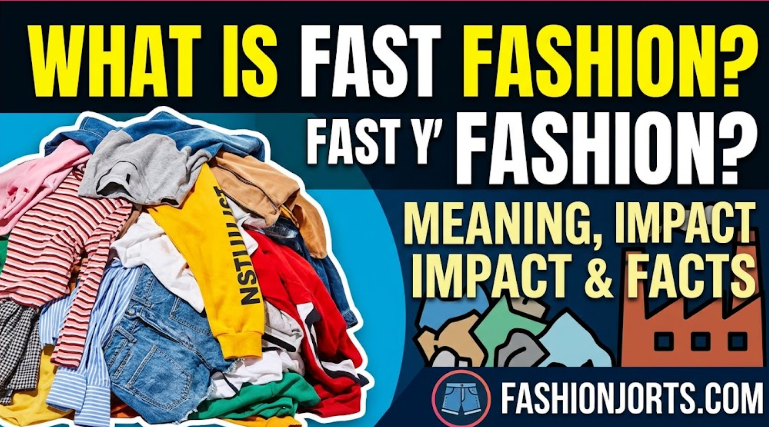
Sustainability has become one of the most discussed topics in the fashion industry. Many consumers are becoming more aware of how clothing production affects the environment and are looking for better choices. Sustainable fashion focuses on producing clothing with less waste, using responsible materials, and creating products that last longer. This approach encourages people to buy fewer pieces, care for their clothing, and consider the impact behind their purchases. However, creating a fully sustainable fashion system is challenging. Brands must balance environmental goals with affordability, production demands, and consumer expectations. The industry is still working toward solutions that benefit both people and the planet.
Why Personal Style Matters More Than Following Trends
Fashion trends can provide inspiration, but personal style gives clothing a deeper meaning. Two people can wear similar pieces and create completely different looks because style depends on confidence, preferences, and lifestyle. Many modern consumers are moving away from buying every new trend and focusing on building wardrobes with pieces they genuinely enjoy. This shift encourages creativity and allows people to create a style that feels authentic. Personal style also helps people become more thoughtful about their clothing choices. Instead of asking only what is popular, many people now consider comfort, quality, and whether a piece represents them.
The Future of Fashion
The future of fashion will likely continue combining creativity with technology and responsible choices. Digital tools, personalized designs, and environmentally conscious production methods are expected to influence how clothing is created and purchased. At the same time, traditional skills such as tailoring, craftsmanship, and creative design will remain important. Fashion is not only about producing new clothing; it is about storytelling and human expression. As society changes, fashion will continue adapting. The styles people choose will always reflect personal identity, cultural influences, and the world around them.
Conclusion
Fashion continues to change because it represents the creativity and identity of the people who wear it. From historical clothing traditions to modern digital influences, it remains connected to culture, technology, and personal expression. The most meaningful approach to fashion is not simply wearing what is popular. It is understanding what works for your lifestyle, choosing pieces thoughtfully, and using clothing as a way to express yourself. As the industry moves forward, fashion will continue to balance creativity, responsibility, and individuality. The future will belong to styles that not only look good but also represent the values of the people who choose them.