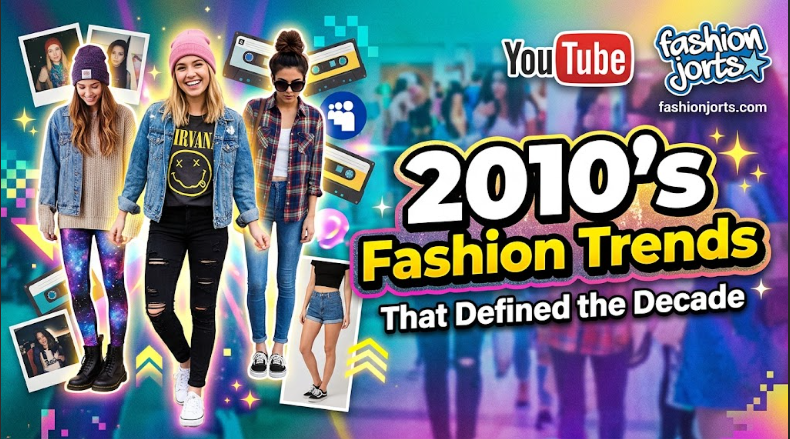
The 2010s were a decade when fashion became more personal, accessible, and connected than ever before. Instead of one dominant style controlling the era, people mixed different influences to create their own looks. Streetwear, minimalism, vintage clothing, athletic wear, and celebrity-inspired outfits all existed side by side. This decade also changed how trends were discovered. Social media platforms allowed people to share outfits instantly, turning everyday users into style influencers. A look could move from a celebrity appearance to a global trend within days. The result was a fashion era built around individuality, comfort, and constant experimentation.
How Social Media Changed 2010’s Fashion
The biggest difference between the 2010s and previous decades was the influence of digital platforms. Instagram, Tumblr, Pinterest, and YouTube became major sources of fashion inspiration. People no longer relied only on magazines or runway shows to discover new styles. Fashion became something people actively created and shared. Outfit photos, style blogs, and influencer content encouraged people to experiment with clothing and develop recognizable personal aesthetics. The idea of documenting daily outfits became a normal part of fashion culture. This shift also changed how brands connected with customers. Companies began working with online creators and using social media campaigns to reach audiences directly.
Early 2010s Fashion Trends (2010–2013)
The beginning of the decade continued some late 2000s influences but introduced new styles that became strongly associated with the 2010s.
Skinny Jeans and Fitted Outfits
Skinny jeans were one of the most recognizable fashion items of the early 2010s. They became a staple for both men and women, often paired with casual tops, jackets, and boots. Women commonly styled skinny jeans with oversized sweaters, blouses, scarves, and ankle boots. Men often combined slim denim with fitted shirts, casual jackets, and sneakers. The popularity of skinny jeans represented the decade’s preference for sharper silhouettes compared with the looser styles that became popular later.
Hipster Fashion and Vintage Inspiration
Hipster fashion influenced many young adults during the early 2010s. The style focused on individuality, vintage pieces, and clothing that felt different from mainstream trends. Common elements included plaid shirts, denim jackets, boots, beanies, vintage accessories, and thrifted clothing. Many people combined old-fashioned pieces with modern basics to create a relaxed but carefully styled appearance. The movement also encouraged interest in secondhand shopping and personal expression through clothing.
Tumblr and Indie Style
Tumblr played an important role in shaping youth fashion during the early part of the decade. The platform became a place where users shared photography, music, artwork, and fashion ideas. The Tumblr-inspired look often included oversized sweaters, floral dresses, combat boots, layered jewelry, and darker color combinations. It mixed alternative fashion with casual everyday clothing. This style showed how online communities could influence real-world fashion choices.
Mid-2010s Fashion Trends (2014–2016)
The middle years of the decade focused heavily on comfort, simplicity, and wearable clothing. Fashion became less about dressing formally and more about creating stylish outfits that fit everyday life.
The Rise of Athleisure
Athleisure became one of the defining trends of the 2010s. It combined sportswear with casual fashion, making clothing like leggings, sneakers, hoodies, and joggers acceptable outside fitness settings. People began wearing athletic-inspired outfits for shopping, travel, casual meetings, and everyday activities. Comfort became a major factor in fashion decisions. Sneakers also gained more attention during this period. They were no longer viewed only as practical footwear but became important style pieces.
Minimalist Fashion Takes Center Stage
Minimalist fashion gained popularity as many people moved toward cleaner and simpler outfits. Instead of wearing heavily decorated clothing, many preferred timeless pieces that could be styled in different ways. Neutral colors such as black, white, gray, beige, and navy became common choices. Simple coats, basic shirts, structured bags, and classic footwear became key parts of minimalist wardrobes. The style focused on looking polished without appearing overly styled.
Bohemian and Festival-Inspired Looks
Festival fashion became another major influence during the 2010s. Music events and celebrity appearances helped popularize relaxed, bohemian-inspired outfits. Flowing dresses, fringe jackets, floral patterns, hats, and layered accessories became popular choices for summer fashion. The style combined vintage influences with a modern festival atmosphere.
Late 2010s Fashion Trends (2017–2019)
The final years of the decade introduced stronger streetwear influences and a return to relaxed clothing.
Streetwear Becomes Mainstream
Streetwear moved from underground youth culture into mainstream fashion during the late 2010s. Hoodies, graphic T-shirts, sneakers, and oversized clothing became accepted as fashionable everyday pieces. Luxury brands also began embracing streetwear influences, creating collaborations and collections that mixed casual designs with high-end fashion. This period changed the way people viewed casual clothing. Comfortable pieces could now be considered fashionable and desirable.
Oversized Clothing and Relaxed Styles
After years of fitted clothing, the late 2010s introduced looser silhouettes. Oversized hoodies, wide-leg pants, relaxed jackets, and boxy shirts became popular. This change reflected a broader shift toward comfort and practical dressing. People wanted clothes that allowed movement while still looking stylish.
Chunky Sneakers and Statement Footwear
Chunky sneakers became one of the most memorable footwear trends of the late 2010s. Inspired by older athletic shoe designs, these larger sneakers created a bold look. They were worn with casual jeans, dresses, leggings, and streetwear outfits. The trend showed the decade’s interest in combining nostalgia with modern fashion.
2010’s Women’s Fashion Trends
Women’s fashion during the decade balanced casual comfort with statement pieces. Popular trends included crop tops, high-waisted jeans, jumpsuits, bodycon dresses, slip dresses, and oversized accessories. Celebrity style had a strong influence, with musicians, actors, and social media personalities shaping popular looks. Many people recreated celebrity-inspired outfits while adding their own personal touches. Accessories also became important, especially chokers, statement necklaces, sunglasses, and designer handbags.
2010’s Men’s Fashion Trends
Men’s fashion in the 2010s became more focused on personal style and careful outfit choices. Slim jeans, bomber jackets, denim jackets, flannel shirts, boots, and sneakers became common wardrobe pieces. Streetwear also had a major impact on men’s fashion. Hoodies, sneakers, and graphic clothing became everyday essentials rather than simple casual items. The decade also saw greater attention toward grooming, hairstyles, and accessories as part of overall style.
Why 2010’s Fashion Is Returning
Fashion trends often return with new interpretations, and many 2010s styles have started appearing again. Younger generations have shown interest in pieces such as sneakers, relaxed clothing, vintage-inspired outfits, and early social media aesthetics. However, modern versions usually combine these trends with current styles instead of copying the original looks completely. The return of 2010s fashion shows how strongly the decade influenced today’s approach to clothing and self-expression.
Conclusion
The 2010s were a decade of change, experimentation, and personal expression. Fashion became less about following one strict style and more about combining different influences to create individual looks. From skinny jeans and hipster outfits to athleisure and streetwear, the decade introduced trends that still shape modern wardrobes. It also changed the relationship between fashion and technology by making style more interactive and accessible. The lasting impact of 2010’s fashion comes from its focus on freedom. People learned that fashion could be comfortable, creative, and personal at the same time.