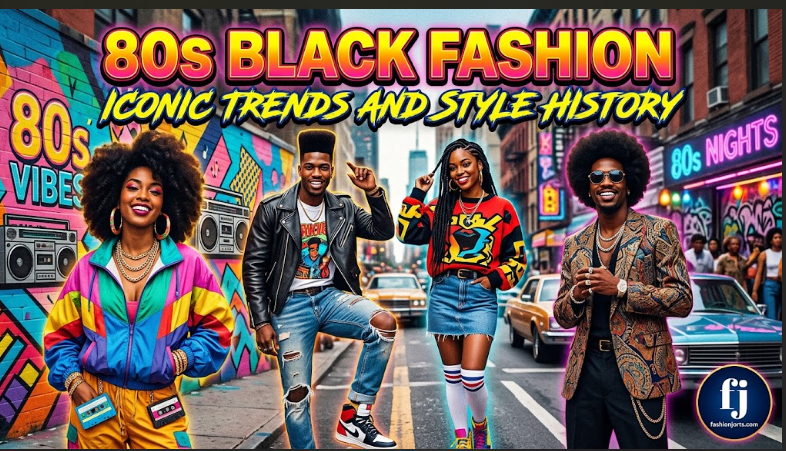
The 1980s were a defining decade for Black fashion, creating some of the most recognizable styles in modern culture. From hip-hop streets in New York to music stages around the world, Black communities used clothing as a way to express confidence, creativity, success, and individuality. 80s Black fashion was never just about wearing trendy clothes. It reflected the growth of hip-hop, the influence of R&B, the rise of Black designers, and the importance of personal style. Oversized jackets, bold jewelry, statement hairstyles, and athletic-inspired outfits became symbols of a generation that was creating its own identity and changing fashion forever. Today, many of these styles continue to appear in streetwear, luxury collections, and popular culture. The decade remains a major source of inspiration because it showed how fashion could represent more than appearance.
What Made 80s Black Fashion Unique?
Black fashion in the 1980s stood out because it combined creativity, culture, and confidence. People were not simply following trends; they were creating new ones through music, neighborhoods, and personal expression. The decade was shaped by a mix of influences. Sportswear became everyday clothing, hip-hop introduced new street styles, and entertainers used fashion to build memorable public images. Clothing choices often reflected personality, ambition, and cultural pride. Unlike earlier periods where fashion trends often moved from designers to consumers, many 80s Black fashion movements developed from communities themselves. Young people transformed everyday pieces into powerful style statements.
How Hip-Hop Changed Black Fashion in the 1980s
The rise of hip-hop was one of the biggest reasons Black fashion gained worldwide attention during the 1980s. Early hip-hop artists created a visual style that matched the energy and attitude of the music. Groups like Run-D.M.C. became known for their simple but unforgettable outfits. Adidas sneakers, black leather jackets, tracksuits, and thick gold chains became closely connected with hip-hop culture. Hip-hop fashion represented authenticity. Artists were not trying to copy traditional fashion standards; they were building something new that reflected their experiences and communities. As rap music reached larger audiences, these styles moved beyond local neighborhoods and became international trends.
The Popularity of Oversized Clothing and Streetwear
One of the strongest trends in 80s Black fashion was oversized clothing. Large jackets, loose jeans, oversized sweaters, and relaxed silhouettes became popular because they offered both comfort and personality. Streetwear during this period mixed casual clothing with bold styling choices. A simple outfit could become eye-catching through accessories, sneakers, or a unique combination of colors.
Common looks included:
- Oversized denim jackets with sneakers
- Loose-fitting jeans with graphic shirts
- Athletic tracksuits
- Leather jackets
- Colorful sportswear combinations
These styles later became the foundation for much of modern streetwear.
The Importance of Sneakers in 80s Black Style
Sneakers became more than footwear during the 1980s. They became an important part of identity and fashion. Basketball shoes, running sneakers, and classic athletic designs moved from sports courts into everyday wardrobes. Brands like Adidas, Nike, Reebok, and Puma became strongly connected with youth culture. The release of the Air Jordan 1 in 1985 also changed how people viewed sneakers. Shoes became collectible fashion items and a way for people to show personal taste. For many young people, the right pair of sneakers could define an entire outfit.
Gold Jewelry and Statement Accessories
Accessories played a major role in completing an 80s Black fashion look. Jewelry was often bold, noticeable, and designed to attract attention. Gold chains became one of the most recognizable symbols of hip-hop fashion. Large necklaces, rings, watches, and earrings were used to create confidence and showcase personal style. For women, accessories such as large hoop earrings, colorful jewelry, and decorative belts became important parts of fashion. These details helped turn simple outfits into memorable looks. Accessories were not just additions to an outfit; they were part of the message someone wanted to communicate.
Women’s Fashion Trends in the 1980s
Black women in the 1980s created powerful fashion moments by combining mainstream trends with their own creativity. Their styles balanced glamour, confidence, and individuality. Power dressing became popular during the decade. Structured jackets, strong shoulders, and bold outfits appeared in workplaces, entertainment, and social settings. Casual fashion also became important. High-waisted jeans, fitted tops, leather jackets, and athletic clothing offered comfortable options while maintaining a fashionable appearance. Black female artists also influenced style through music videos and performances. Their clothing choices helped shape ideas about confidence, beauty, and self-expression.
Hairstyles That Defined the Era
Hair was one of the most important parts of 80s Black fashion. Hairstyles were closely connected with identity and personal expression. The Jheri curl became one of the most recognizable hairstyles of the decade. Popular entertainers helped make the style widely known through television appearances, films, and music videos. The high-top fade became another major trend, especially among younger men. Its sharp shape and creative designs made it a memorable symbol of late 80s style. Braids, natural hairstyles, and carefully shaped cuts also allowed people to celebrate individuality and cultural connection.
Dapper Dan and the Growth of Luxury Street Style
The 1980s introduced a new relationship between street fashion and luxury clothing. One of the most influential figures in this movement was Harlem designer Dapper Dan. Dapper Dan created custom clothing that combined luxury-inspired designs with streetwear. His jackets and tracksuits became popular among musicians, athletes, and celebrities. His work challenged traditional ideas about where fashion could come from. He showed that creativity from urban communities could influence the wider fashion industry. The connection between luxury brands and streetwear today owes much to ideas that developed during this period.
Black Music Icons Who Influenced Fashion
Music and fashion were deeply connected in the 1980s. Artists understood that clothing helped create their public image and connect with audiences. Michael Jackson influenced fashion with his military-inspired jackets, gloves, and performance outfits. Prince became known for his dramatic, colorful, and unconventional style. Hip-hop artists introduced streetwear looks that became worldwide trends. Music videos played a major role because they allowed audiences to see new styles instantly. Fashion became part of the entertainment experience.
Why 80s Black Fashion Still Matters Today
The influence of 80s Black fashion can still be seen everywhere. Modern streetwear, sneaker culture, oversized clothing, and collaborations between musicians and fashion brands all carry elements from this era. Designers continue to revisit 80s styles because the decade represented creativity without limitations. It proved that fashion could come from communities, music scenes, and everyday people. The biggest lesson from this era is that style is not only about clothing. It is about confidence, culture, and the ability to create something meaningful.
Conclusion
80s Black fashion was a powerful expression of culture, creativity, and individuality. The decade produced styles that went beyond clothing and became symbols of confidence and community. From hip-hop streetwear to bold hairstyles and influential designers, Black fashion in the 1980s changed the direction of popular style. Many trends that began during this period continue to influence fashion today. The lasting impact of 80s Black fashion comes from its originality. It was created by people who used clothing to tell their stories, celebrate their culture, and define their own image.