Baroque fashion was never designed to be quiet. Born in 17th-century Europe, it represented a period when clothing became a powerful symbol of wealth, influence, and artistic taste. With rich fabrics, detailed craftsmanship, and dramatic shapes, Baroque style reflected the confidence and ambition of royal courts and aristocratic society. From the grand halls of Versailles to modern fashion runways, Baroque influences continue to appear in clothing that values beauty, detail, and visual impact. Although the original garments belonged to another era, the ideas behind them still inspire designers who want to create memorable and expressive looks.
What Is Baroque Fashion?
Baroque fashion refers to the clothing styles that developed during the Baroque period, which lasted mainly from the early 1600s to the early 1700s. The style emerged alongside Baroque art, architecture, and music, sharing a similar love for decoration, movement, and dramatic expression. Unlike simpler clothing styles, Baroque garments focused on creating a strong impression. Clothing was carefully designed to show social position, personal wealth, and connection to powerful institutions such as royal courts. The style was especially influential in France, where the court of Louis XIV became a major center of European fashion. The king used clothing as part of his public image, encouraging nobles to follow elaborate dress traditions that reflected status and loyalty.
The Origins of Baroque Style in European Fashion
The growth of Baroque fashion was connected to major cultural changes across Europe. During this period, monarchies became increasingly powerful, and royal courts became places where fashion, art, and politics came together. France played a leading role in shaping trends. Under Louis XIV, the Palace of Versailles became a place where appearance mattered greatly. Nobles often used clothing to demonstrate their importance and gain recognition within court society. French designers, textile makers, and craftsmen developed highly decorated garments that influenced other European countries. Over time, elements of French court fashion spread to England, Spain, Italy, and beyond.
Key Features That Defined Baroque Clothing
Rich Fabrics and Detailed Craftsmanship
One of the strongest characteristics of Baroque fashion was the use of luxurious materials. Clothing was created with fabrics that looked impressive and felt expensive. Silk, velvet, satin, and brocade were among the most valued materials of the period. Many garments included hand embroidery, lace, ribbons, pearls, and metallic threads that added depth and decoration. These details were not only decorative. They showed the amount of time, skill, and money invested in creating the garment.
Dramatic Shapes and Structured Designs
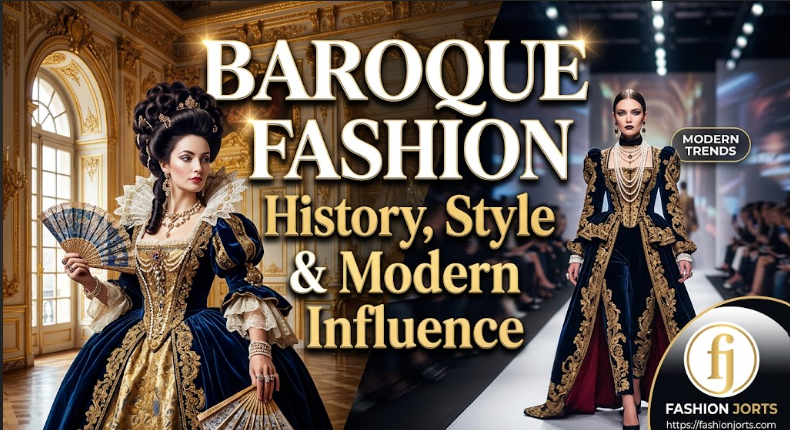
Baroque fashion focused heavily on silhouette. Clothing was designed to create strong shapes that made the wearer appear elegant and powerful. Women’s dresses often featured fitted bodices, wide skirts, layered fabrics, and carefully arranged sleeves. Men’s clothing included fitted coats, decorative waistcoats, and knee-length breeches that created a formal appearance. The goal was not simplicity. Every part of the outfit, from fabric choice to accessories, contributed to the overall presentation.
Women’s Baroque Fashion
Women’s fashion during the Baroque period combined structure with decoration. Dresses were carefully shaped to create an elegant figure while displaying expensive materials. The bodice was one of the most important parts of a woman’s outfit. It was often fitted tightly and decorated with embroidery, lace, or decorative patterns. Skirts were large and layered, creating movement and volume. Accessories also played an important role. Women used jewelry, gloves, fans, pearls, and decorative hairstyles to complete their appearance. These details helped create the polished style expected at formal events and royal gatherings.
Men’s Baroque Fashion
Men’s clothing during the Baroque era was equally focused on appearance and refinement. Wealthy men wore outfits that combined elegance with authority. A typical formal look included a long coat, waistcoat, breeches, stockings, and decorative shoes. Lace collars and carefully styled wigs became popular features among European elites. Louis XIV strongly influenced men’s fashion during this period. His preference for detailed coats, high-quality fabrics, and carefully planned appearances encouraged nobles throughout Europe to adopt similar styles.
Colors and Patterns in Baroque Fashion
Baroque clothing often used colors that suggested luxury and importance. Deep shades such as gold, burgundy, royal blue, purple, black, and emerald were popular choices. Gold was especially associated with wealth and power. It appeared in embroidery, accessories, and decorative elements that made garments appear more impressive. Patterns were also an important part of the style. Floral designs, artistic motifs, and detailed decorative elements were commonly used to create visual interest.
Baroque Fashion as a Symbol of Status
During the Baroque period, clothing communicated much more than personal taste. It showed where someone stood within society. Certain fabrics, designs, and accessories were connected with wealth and privilege. For members of royal courts, dressing well was part of maintaining reputation and influence. Fashion also helped strengthen political images. Monarchs and nobles understood that appearance could influence how others viewed their power and authority.
Baroque Fashion vs Rococo Fashion
Baroque fashion later influenced Rococo style, but the two movements had different personalities. Baroque clothing was often bold, formal, and connected with power. It used heavier fabrics, stronger colors, and dramatic decoration. Rococo fashion, which became popular in the 18th century, moved toward lighter designs. It favored softer colors, delicate details, and a more playful approach to elegance. Both styles valued beauty, but Baroque fashion created a stronger impression of authority and grandeur.
How Baroque Fashion Influences Modern Style
Although people no longer dress exactly like 17th-century aristocrats, Baroque ideas continue to appear in contemporary fashion. Designers often borrow elements such as velvet textures, gold embroidery, decorative patterns, and statement accessories. These details are commonly seen in luxury collections, formal wear, wedding designs, and costume creations. Modern interpretations usually combine historical inspiration with practical clothing. A velvet jacket, embroidered dress, or ornate accessory can capture the spirit of Baroque style without becoming a full historical costume.
How to Create a Modern Baroque-Inspired Look
A Baroque-inspired outfit works best when dramatic details are balanced with modern pieces. For women, elements such as pearl jewelry, lace details, rich fabrics, and elegant silhouettes can add a historical touch. For men, velvet jackets, patterned shirts, classic footwear, and decorative accessories can create a refined appearance. The key is choosing carefully. Baroque style is naturally expressive, so a few strong details can make a bigger impact than wearing too many decorative pieces at once.
Conclusion
Baroque fashion remains one of history’s most recognizable clothing movements because it transformed fashion into a form of artistic expression. Its focus on craftsmanship, luxury materials, and dramatic presentation created a style that reflected the ambitions of its time. Today, the influence of Baroque fashion can still be seen in designs that celebrate elegance and individuality. Whether through a detailed pattern, a rich fabric, or a statement accessory, the spirit of Baroque continues to inspire people who appreciate fashion with character and history.